
Beyond the Golden Triangle
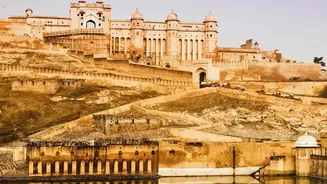
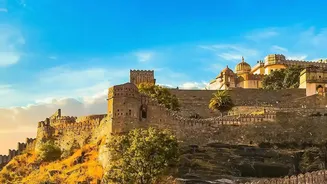
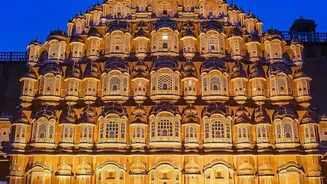
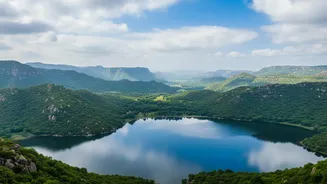
For decades, Rajasthan tourism has been defined by the majestic forts of Jaipur, the lakes of Udaipur, and the golden sands of Jaisalmer. However, the state government is now actively working to diversify its offerings. The strategy involves promoting
emerging destinations and circuits to encourage travelers to explore deeper and stay longer. Regions like Shekhawati, Bundi, and Banswara are being highlighted to showcase a different side of Rajasthan's rich cultural tapestry. This shift is supported by new policies, such as the Homestay Scheme 2026, designed to improve infrastructure, ease licensing for local accommodations, and boost rural tourism, making these areas more accessible and appealing to modern travelers.
Shekhawati: The World's Largest Open-Air Art Gallery
Nestled in northeastern Rajasthan, the Shekhawati region comprises districts like Jhunjhunu, Sikar, and Churu. It earned its nickname as the 'world's largest open-air art gallery' for a unique reason: its incredible concentration of frescoed havelis (mansions). Built primarily between the 18th and early 20th centuries by wealthy Marwari merchants, these grand homes served as canvases to display their prosperity and global exposure. The walls, both inside and out, are covered in intricate murals depicting everything from mythological tales of Lord Krishna and Rama to scenes of daily life and the arrival of modern technology like trains and gramophones.
Navigating the Fresco Trail
The Shekhawati circuit is a journey through a network of towns, each boasting its own collection of stunning havelis. Mandawa is often the starting point, a town so rich in painted mansions that it has served as a backdrop for numerous films. Key sights here include the Mandawa Fort, now a heritage hotel, and havelis like the Gulab Rai Ladia Haveli and the Chokhani Double Haveli. Nearby Nawalgarh is considered a haven for art lovers, with some of the region's finest frescoes found in the Dr. Ramnath A. Podar Haveli Museum and the Anandi Lal Poddar Haveli. Fatehpur, another crucial stop, is known as the region's cultural capital and is home to the beautifully restored Nadine Le Prince Haveli. Other important towns on the route include Dundlod, Ramgarh, and Lachhmangarh, each offering a unique glimpse into the region's artistic legacy.
From Dusty Trails to Tourist Circuits
The government's focus on emerging destinations is transforming these historical routes into more formal tourist circuits. With the state hosting events like the Rajasthan Domestic Travel Mart and the new Marwar Travel Mart, there's a concerted effort to attract tour operators and independent travelers to these areas. This means better signposting, improved road connectivity from hubs like Jaipur and Delhi, and a growing number of heritage stays where visitors can sleep in restored havelis. This push not only preserves the architectural heritage but also provides a vital source of income for local communities, encouraging the conservation of these centuries-old artworks.
Planning Your Shekhawati Sojourn
A trip to Shekhawati offers an immersive cultural experience without the crowds of Rajasthan's more famous destinations. The best time to visit is during the cooler months, from October to March. The region is easily accessible by road, making it an ideal weekend trip from Delhi (around 5-6 hours) or Jaipur (3-4 hours). A dedicated 2-3 day itinerary allows for a comfortable exploration of the main towns. Accommodation options range from luxury heritage hotels within forts and havelis to more budget-friendly guesthouses. For a truly authentic experience, consider staying in a family-run homestay to connect with the local culture and history firsthand.