





Prioritise Health and Hygiene
The monsoon is a peak season for water-borne and vector-borne diseases. The risk of infections like typhoid, hepatitis A, diarrhoea, dengue, and malaria increases significantly. To protect yourself, be vigilant about what you eat and drink. Avoid street
food, especially items that are raw, pre-cut, or have been sitting out. Stick to freshly prepared, hot meals. Drink only boiled, filtered, or sealed bottled water, and be wary of ice cubes made from unfiltered water. Always carry a hand sanitiser and wash your hands frequently. To guard against mosquito bites, use a strong insect repellent and wear full-sleeved, light-coloured clothing, especially in the evenings when mosquitoes are most active.
Pack Smart for Wet Conditions
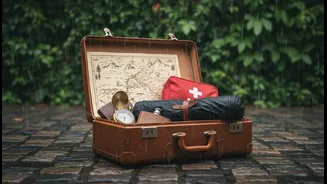
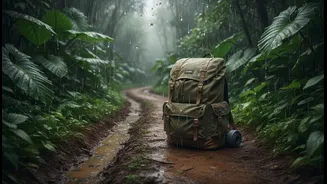
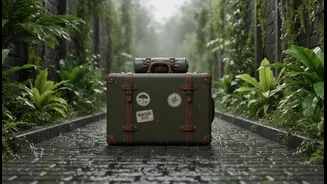
Your packing strategy needs to account for constant dampness and humidity. Choose clothing made from synthetic, quick-drying fabrics like polyester and nylon instead of cotton or denim, which take a long time to dry. Packing a lightweight waterproof jacket and a sturdy umbrella is essential. Footwear should have a good grip to prevent slipping on wet, muddy surfaces; rubber sandals, floaters, or anti-skid sneakers are ideal choices. Protect your electronics by keeping them in waterproof bags or zip-lock pouches. It's also wise to carry a basic first-aid kit containing essentials for common ailments like colds, fungal infections, and stomach upsets, along with antiseptic cream and bandages.
Navigate Roads with Caution
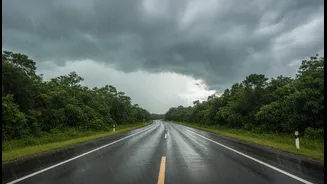
Driving during the monsoon requires extra vigilance. Before you start, ensure your car's wipers, tyres, brakes, and headlights are in excellent working condition. Worn-out tyres significantly increase the risk of skidding on wet roads. Once on the road, reduce your speed and maintain a greater distance from the vehicle in front, as braking distances are longer in the rain. Avoid driving through waterlogged streets if you cannot gauge the depth; it's a common cause of engine failure. If your car stalls in water, do not try to restart it, as this can lead to severe engine damage known as hydrostatic lock. For visibility, use your low-beam headlights, not high beams or hazard lights, which can confuse other drivers.
Beware of Regional Hazards
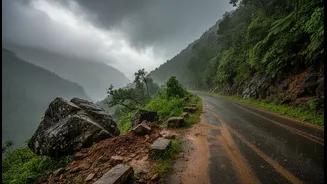
The impact of the monsoon varies greatly across India. Hilly regions like Uttarakhand, Himachal Pradesh, and parts of Kerala become prone to landslides, which can block roads for days. It is crucial to check weather forecasts and local advisories before travelling to these areas. Major cities such as Mumbai and Bengaluru often face severe waterlogging, leading to massive traffic disruptions and transport chaos. Coastal areas can be susceptible to cyclones. Always stay informed about your destination's specific risks during the rainy season and have a flexible itinerary to accommodate unexpected delays or route changes.
Stay Safe from Electrical Risks
A frequently overlooked danger during the monsoon is the risk of electric shock. Waterlogging can lead to submerged electrical boxes and exposed wires. Be extremely cautious when walking on flooded streets and stay away from lamp posts, transformers, and dangling cables. Inside your hotel or home, avoid touching electrical switches with wet hands. Power cuts are also common, so carrying a fully charged power bank and a flashlight is a practical measure to ensure you are not left in the dark. These simple precautions can prevent serious accidents.