






A Pattern with Personality
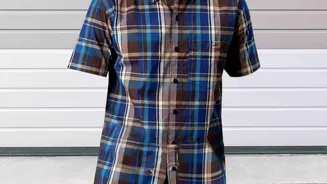
From breezy oversized shirts to chic co-ord sets, Madras check has re-emerged as the print of the moment. Once relegated to classic menswear or traditional lungis, the fabric is being reinterpreted by designers for a new generation. This isn't just another
fleeting trend; it taps into a deeper appreciation for textiles with history and character. The lightweight, breathable cotton is perfectly suited for India's humid climate, making it a practical and stylish choice for the monsoon season and beyond. The current revival celebrates the fabric's roots, moving beyond its previous associations with American Ivy League fashion to honour its South Indian origins.
From Madraspatnam to the World
The story of Madras check begins in Madraspatnam, the village that would become modern-day Chennai. For centuries, local weavers have produced this lightweight cotton cloth. Its journey to global prominence started in the 17th century with European traders, particularly the British East India Company, who were captivated by the breathable textile and began exporting it. The distinctive check pattern, while possibly influenced by Scottish tartans from soldiers stationed in the region, also has deep roots in local Tamil weaving traditions of 'kattam' (checks) and 'kodu' (stripes). Over time, the fabric became a status symbol, first in Africa where it was known as 'Injri' (Real India), and later in America, where it was adopted by affluent Ivy League students in the mid-20th century.
The Beauty of the Bleed
The true soul of authentic Madras lies in its famous imperfection: dye variation. Traditionally, the cotton yarns were coloured using natural vegetable dyes derived from sources like indigo, turmeric, and pomegranate peels. These dyes, fixed with natural adhesives like rice gruel, were not colourfast. When an American importer sold thousands of yards of the fabric to Brooks Brothers in the 1950s without proper washing instructions, customers were alarmed to find the colours ran and blended. What could have been a disaster was turned into a marketing masterstroke by advertising legend David Ogilvy, who coined the phrase "Guaranteed to Bleed." This turned the perceived flaw into a mark of authenticity, celebrating the unique, muted patterns that emerged with each wash.
How to Spot Authentic Madras
In a market flooded with imitations, identifying genuine Madras is key. The first test is to check both sides of the fabric; authentic Madras is woven from dyed yarns, not printed, so the pattern must be identical on the front and back. The fabric should be a lightweight, 100% cotton and have a slightly coarse, textured feel due to the use of short-staple cotton fibers that create small bumps called 'slubs'. These minor imperfections and 'flaws' from the hand-weaving process are not defects but rather hallmarks of its handcrafted origin. While true 'bleeding' Madras made with vegetable dyes is rarer today, many heritage brands still produce it, offering a fabric that evolves and softens with you.