

The City That Never Cools
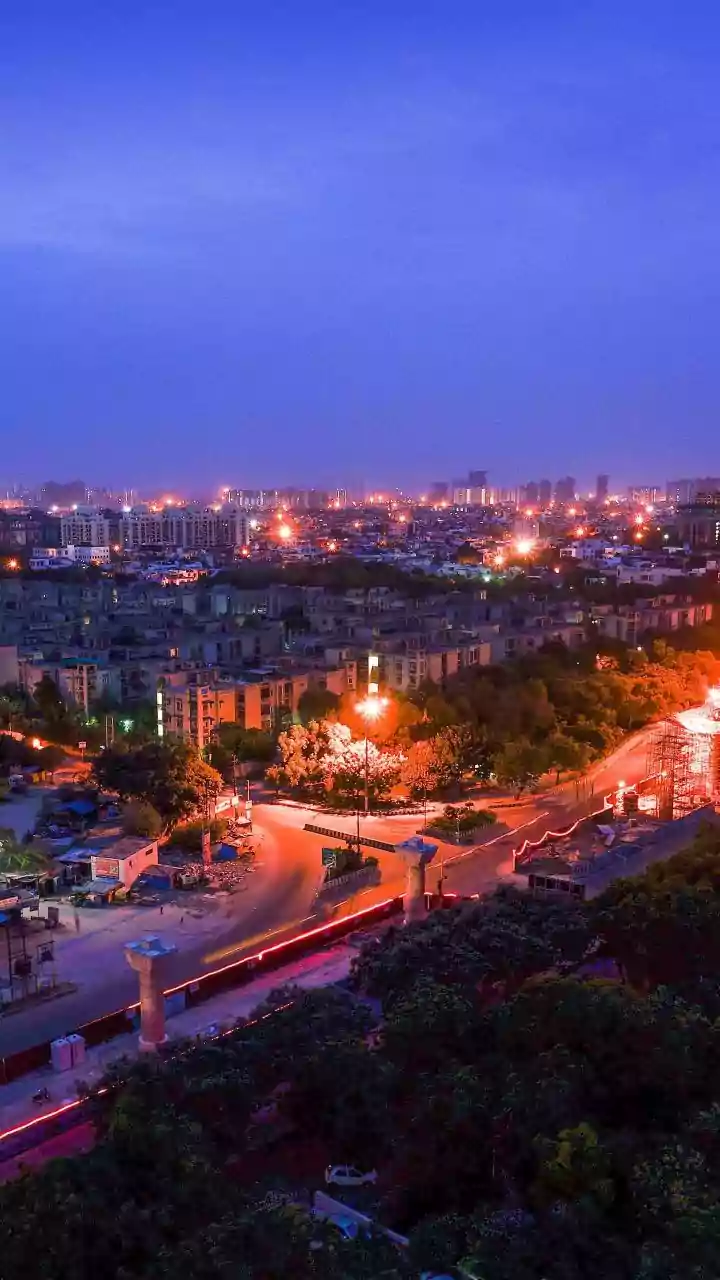
The core of the problem is the Urban Heat Island (UHI) effect. In simple terms, our cities absorb and produce so much heat that they become significantly warmer than the surrounding rural areas. While you might notice this during the day, the effect is actually
most pronounced after sunset. A village just 30 kilometres away might cool down by 5-10 degrees Celsius overnight, while the heart of a city retains its sweltering heat, making natural cooling a frustrating, often futile exercise.
Our Cities Are Giant Heat Sponges
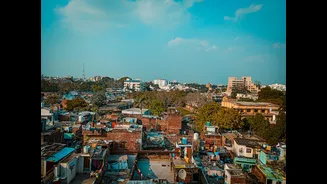
Think of the materials that dominate our urban centres: concrete, asphalt, and brick. During the day, these dense materials act like giant sponges for solar radiation. They have a high 'thermal mass', meaning they can absorb and store a tremendous amount of heat energy. Unlike a field or a forest, which reflects more sunlight and uses it for processes like photosynthesis, a 'concrete zone' just soaks it all up. When the sun goes down, this stored heat is slowly released back into the environment, keeping the air temperature stubbornly high for hours.
Trapped Between The Buildings
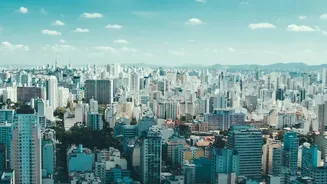
The very shape of our cities works against us. Tall buildings packed closely together create what scientists call 'urban canyons'. These canyons do two things to make nights hotter. First, they reduce the 'view' of the sky from the street level, trapping heat that tries to radiate upwards. Second, they act as windbreaks, slowing down or blocking the natural air currents that would otherwise flush out the hot air and bring in cooler breezes. The result is a pocket of stagnant, warm air that lingers long after dark.
The Absence Of Nature's Air Conditioner
In a natural environment, trees and vegetation are powerful cooling agents. They provide shade, which prevents sunlight from hitting the ground in the first place. More importantly, they cool the air through a process called evapotranspiration, where water is released into the atmosphere from leaves. It’s nature’s version of sweat. In the heavily concreted zones of our Tier 2 cities, rapid development has often come at the expense of parks, green belts, and even roadside trees. By replacing these natural coolers with heat-absorbing concrete, we have effectively switched off the planet's built-in air conditioning system.
A Vicious Cycle Of Artificial Cooling
Ironically, our attempts to fight the heat make the problem worse. The hum of air conditioners is the soundtrack to an Indian summer night. But every AC unit works by pumping heat from inside a building to the outside. This 'waste heat' is vented directly into the urban canyons, adding to the already high ambient temperature. It creates a vicious cycle: the city gets hotter, so more people turn on their ACs, which in turn makes the city even hotter. This anthropogenic heat, combined with warmth from vehicles and industry, puts another layer on the thermal blanket smothering the city.
Why Tier 2 Cities Are Uniquely Vulnerable
While this is a global phenomenon, India's rapidly expanding Tier 2 cities are a perfect storm. The pace of construction is frantic, with a heavy reliance on cost-effective but heat-intensive concrete. Urban planning often lags behind development, leading to dense clusters with inadequate green spaces. Unlike older metros that may have established parks, these newer urban zones are building the heat island problem directly into their foundations, making natural cooling a near impossibility for millions.