







The New Travel Calculus
The great Indian vacation is being redefined. For decades, the model was straightforward: save up your leave days and money for one or two big annual holidays. But a fundamental change is underway. An increasing number of Indians, particularly urban millennials
and Gen Z, are trading this model for a portfolio of 'micro-vacations' or 'mini-breaks.' Instead of a ten-day epic journey, they're opting for three or four short, three-day trips scattered throughout the year, strategically pegged to long weekends. Travel industry data confirms this pivot. Booking platforms report massive spikes in searches and reservations for domestic, short-haul destinations in the weeks leading up to public holidays, signalling a clear preference for frequency over duration.
A Remedy for Modern Burnout
One of the biggest drivers of this trend is the modern workplace. In an era of constant connectivity and high-pressure careers, burnout is a real and present danger. The prospect of waiting an entire year for a proper break can feel daunting. Short, frequent trips serve as a more accessible and regular pressure-release valve. They offer a tangible, achievable goal to look forward to every couple of months. The mental health benefit is significant; these getaways disrupt the monotony of work-life routines and provide a quick reset without the logistical and financial stress of planning a large-scale holiday. It's less about a once-a-year escape and more about building sustainable, recurring moments of leisure into one's life.
The Economics of the Quick Escape
Financial pragmatism is also a major factor. While a ten-day international trip can set you back a significant amount, a three-day domestic trip is far more budget-friendly. This allows travellers to experience more places and activities within the same annual travel budget. By choosing destinations that are a short flight or a drive away, people save considerably on airfare—often the most expensive component of a holiday. This economic accessibility democratises travel, making it possible to explore a hill station one long weekend, a beach town the next, and a heritage city after that, all without breaking the bank. The hospitality industry has responded in kind, with a surge in boutique hotels, homestays, and 'agri-tourism' properties that cater specifically to this weekend-warrior crowd.
Rise of the Drivable Destination
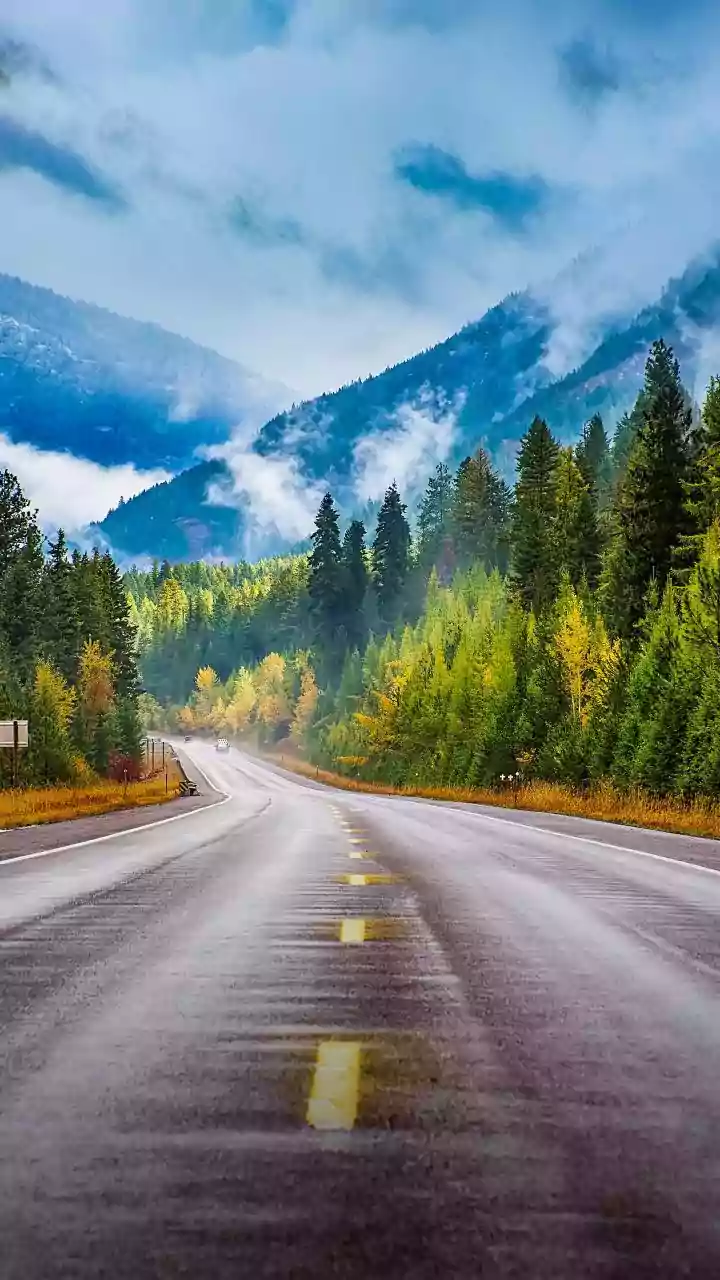
You can't talk about the rise of short trips without talking about the rise of better roads. Massive improvements in India's national highway infrastructure have made road trips more appealing than ever. What was once a gruelling 10-hour journey has now become a comfortable 6-hour drive, putting a vast array of scenic destinations within easy reach of major cities. From Delhi, weekenders can easily access the hills of Uttarakhand and Himachal. From Mumbai and Pune, the Western Ghats offer countless options. This improved connectivity has turned hundreds of smaller towns and scenic spots into viable weekend destinations, reducing reliance on flights and trains and giving travellers a greater sense of spontaneity and control over their itinerary.
The Social 'Experience Economy'
Finally, there’s the undeniable influence of social media and the 'experience economy.' In a world where experiences are the new social currency, having a diverse portfolio of travel stories to share is highly valued. A single big trip provides one set of photos and stories. Four smaller trips provide four distinct narratives, locations, and aesthetics for the 'gram. This isn't just about showing off; it reflects a genuine desire to collect a wider range of experiences. The short-trip model allows individuals to be a trekker in the mountains in March, a beachcomber in Goa in August, and a history buff in Rajasthan in November. It’s a travel style that aligns perfectly with a generation that values variety, novelty, and the ability to build a life rich with different kinds of memories.