





An Active Tectonic Collision Zone
Nepal sits directly where the Indian and Eurasian tectonic plates collide. The Indian plate pushes northwards at a rate of about 5 centimetres per year, building up immense geological stress. This pressure is periodically released in the form of powerful
earthquakes, making the entire region highly seismically active. The devastating 2015 Gorkha earthquake was a stark reminder of this relentless geological process, which continues to pose a constant threat to the nation.
Steep, Fragile Mountain Terrain
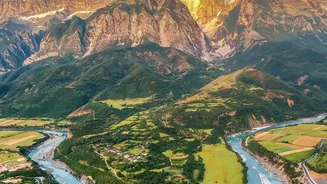
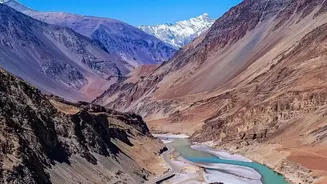
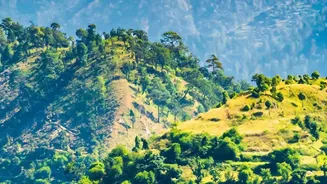
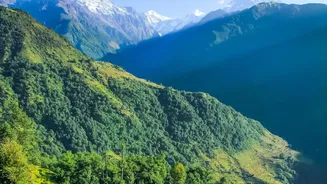
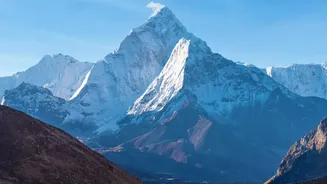
The country's topography is dominated by the young, rugged Himalayas. This dramatic landscape, dropping from the world's highest peaks to flat plains in a short distance, is inherently unstable. The steep slopes and fragile geology mean that earthquakes or intense rainfall can easily trigger thousands of landslides and avalanches, which can block roads, dam rivers, and bury entire communities. These cascading hazards, where one disaster triggers another, are a common and deadly feature of Nepal's mountainous terrain.
Intensifying Climate Change
Nepal is ranked as one of the world's most vulnerable countries to climate change. Rising global temperatures are causing Himalayan glaciers to melt at an accelerating rate. This leads to the formation of unstable glacial lakes high in the mountains. When the natural dams holding these lakes fail, it results in catastrophic Glacial Lake Outburst Floods (GLOFs) that send torrents of water, ice, and debris downstream. Climate change also brings more erratic and intense monsoon rainfall, worsening flood and landslide risks.
Widespread River Flooding
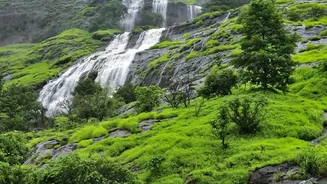
Over 6,000 rivers and streams flow through Nepal, originating in the high Himalayas and draining south into the Terai plains. During the annual monsoon season, these rivers swell, frequently causing widespread flooding, inundation, and riverbank erosion, particularly in the densely populated low-lying regions. These events regularly displace thousands of people, destroy agricultural land, and damage critical infrastructure.
Rapid and Unplanned Urbanisation
Cities like the Kathmandu Valley are expanding at a rapid, often haphazard, pace. This swift urban growth frequently outpaces proper planning and the enforcement of building codes. As a result, many new buildings are constructed without adequate disaster-resistant engineering, often on high-risk land like floodplains or unstable slopes. This creates a densely populated urban environment with heightened vulnerability, turning a natural hazard into a potential human catastrophe.
Poverty and Social Vulnerability
Widespread poverty compounds Nepal's exposure to natural hazards. Many households lack the financial resources to build stronger homes or move away from high-risk areas. Social factors, such as caste and ethnicity, can also increase vulnerability by limiting access to resources and opportunities for recovery. Disasters disproportionately affect the poorest and most marginalised communities, who have the least capacity to prepare for, withstand, and recover from shocks, trapping them in a cycle of poverty and risk.
Deforestation and Land Degradation
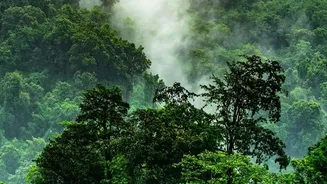
Human activities, including deforestation and improper land use, have weakened the fragile mountain ecosystem. The removal of forest cover on steep slopes for agriculture or settlement increases soil erosion and the likelihood of landslides during heavy rains. Reckless construction practices, such as building roads on hillsides without proper engineering studies, further destabilise the terrain, contributing directly to the frequency and severity of landslides.
Inadequate and Exposed Infrastructure
Much of Nepal's critical infrastructure, including roads, bridges, hospitals, and hydropower plants, is located in areas exposed to natural hazards. Due to the mountainous terrain, many essential transport links are concentrated in narrow river valleys, making them susceptible to being washed away by floods or blocked by landslides. This not only causes direct economic loss but also severely hampers rescue and relief operations by isolating entire communities when a disaster strikes.
Gaps in Governance and Preparedness
While Nepal has disaster management laws and authorities in place, significant challenges remain in their implementation. Issues include insufficient funding, a lack of trained personnel, and poor coordination between different levels of government. A focus on post-disaster response rather than proactive preparedness and risk reduction means that many opportunities to mitigate the impact of hazards are missed. The enforcement of building codes and land-use planning regulations remains weak.
Geographical Remoteness
Many communities in Nepal are located in remote, mountainous areas with limited accessibility. When a disaster occurs, this geographical isolation becomes a major obstacle for emergency services. Damaged roads and difficult terrain can make it nearly impossible to reach affected populations quickly with life-saving aid, medical supplies, and food. This delays response efforts and leaves vulnerable communities to fend for themselves in the critical hours and days following a catastrophe.