







The Problem with Today's Feeds
Most popular social media platforms today, like Instagram, TikTok, and Facebook, use complex algorithms to decide what you see. Their main goal is to keep you on the platform longer to show you more ads. This means your feed isn't a simple chronological
list of posts from accounts you follow. Instead, it's a mix of content the platform predicts will grab your attention, whether it's from a creator you love, a viral video, or a sponsored post. This system can be frustrating. You might miss important updates from artists and writers you admire, while your feed gets cluttered with content you never asked for. Creators also face challenges, as they are forced to constantly battle the algorithm to ensure their work reaches the audience they've built.
A Return to Control: Algorithm-Free Feeds
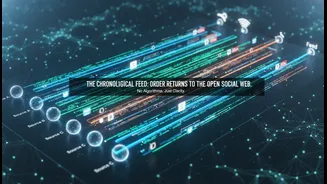
Imagine a social feed that you control completely. An algorithm-free feed is exactly that: a chronological timeline of posts from only the people and sources you choose to follow. There's no secret formula reordering content, no paid posts pushed to the top, and no 'suggested' content filling your screen. This model is at the heart of decentralized social media, a new wave of platforms designed to give power back to users. These networks are often built on open standards, meaning they aren't controlled by a single company. This structure offers increased privacy, security, and resistance to censorship. It represents a fundamental shift from being a passive consumer to an active curator of your own digital space.
The Magic of Interoperability
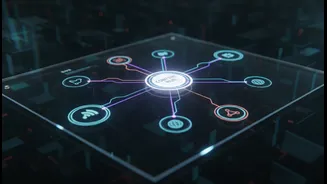
The key that unlocks this new era is 'interoperability'. Think of it like email. Someone with a Gmail account can seamlessly send a message to someone with an Outlook account because they both use a shared, open protocol. Decentralized social networks are built on similar principles, using open protocols like ActivityPub and the AT Protocol. ActivityPub powers a network of interconnected platforms known as the 'Fediverse', which includes services like Mastodon (microblogging), PeerTube (video), and Pixelfed (photos). If you're on a Mastodon server, you can follow and interact with someone on a Pixelfed server as if you were on the same platform. Similarly, the AT Protocol, which powers Bluesky, is designed to allow users to move their accounts between providers without losing their data or followers.
Why This Matters for You and Creators
For readers, the benefits are clear. You get to see every post from the creators you support, in the order they post it. Your online experience becomes more intentional and less driven by engagement-bait. You regain control over your data and digital identity. For creators, this shift is just as important. Recent studies show that audiences are loyal to creators, not platforms, with a high percentage of listeners willing to follow a creator across different formats. Interoperable feeds give them a direct line to their audience, independent of any single platform's changing rules or algorithms. This allows them to build a more resilient online presence and fosters a healthier relationship with their followers, who have actively chosen to be there.
How to Get Started
Dipping your toes into the world of interoperable social media is easier than you might think. A great starting point is to explore the Fediverse by joining a Mastodon server. Think of a server (or 'instance') as a community with its own theme or rules; you can join a general one or find one based on your interests. Once you have an account, you can follow anyone on any other ActivityPub-powered platform. Another option is Bluesky, which is built on the AT Protocol and offers a user-friendly experience with growing interoperability features. You can also turn to modern RSS readers, many of which are now integrating with these new protocols, allowing you to pull in social feeds alongside news sites and blogs into one unified, chronological timeline. The journey requires a little exploration, but the reward is a more fulfilling and controlled social media experience.