





Begin with a Clean Slate
The first step in welcoming Lord Ganesha is to deep clean your entire home. This tradition of 'safai' signifies purification and creating a positive and sanctified space for the divine guest. Declutter rooms, organise closets, and ensure every corner
is spotless. This is also the perfect time to wash and prepare the special clothes and cloths that will be used for the mandap (shrine) and pooja. A clean home not only looks festive but also invites positive energy for the days of celebration ahead. Involve the whole family to make this task a joyful prelude to the main event.
Choose Your Ganpati Idol Wisely
The centrepiece of the festival is, of course, the Ganpati murti. In recent years, Mumbai has seen a wonderful shift towards environmental consciousness. Opt for an eco-friendly idol made from natural materials like Shadu mati (clay) or red soil. These idols dissolve easily in water, causing no harm to marine life. Many local artisans and online stores in Mumbai offer beautifully crafted, eco-friendly Ganeshas, some even containing seeds that can be planted after the visarjan, allowing Bappa's blessings to bloom into a plant. Book your idol in advance to ensure you get the one that best suits your home and heart.
Create a Divine Abode: The Mandap
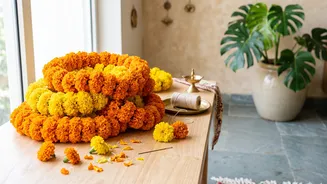
The mandap or makhar is the sacred throne where the idol will be placed. This space should be decorated with love and reverence. Start by placing the idol on a raised wooden platform, covered with a clean red or yellow cloth. For decoration, you can use a variety of items. Flower decorations are traditional and beautiful; marigolds, red hibiscus, and roses are popular choices. You can create garlands or use petals for a rangoli. For a modern touch that's also classic, use brass diyas and urlis filled with water and floating petals instead of synthetic fairy lights. The key is to create a space that feels special and divine, without overcrowding the idol.
Prepare the Prasad and Festive Feast
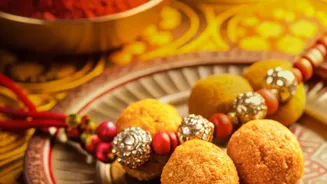
Ganesh Chaturthi is incomplete without its signature sweets, especially modak, which is believed to be Lord Ganesha's favourite. The traditional steamed version, Ukadiche Modak, is made with a filling of fresh grated coconut and jaggery encased in a rice flour shell. You can also prepare other offerings like coconut ladoos, Puran Poli, and Panchamrit. Planning your menu in advance, especially for the days you will have guests, helps avoid last-minute stress. Involving family members in the preparation of these sweets can be a beautiful bonding experience.
Plan for Aarti and Guests
The festival is a time for community and togetherness. Plan the morning and evening aarti schedules and invite friends, family, and neighbours to join in. Prepare a small thali with essentials like a diya, incense, camphor, flowers, and kumkum. It's also a good idea to have a collection of traditional aarti songs and chants ready. If you plan on having guests over for prasad or meals, make sure you are prepared to host them warmly. The sound of the bell, the chorus of the aarti, and the shared food are what make the festival a truly communal celebration.
Arrange a Responsible Visarjan
The farewell to Lord Ganesha, or visarjan, is an emotional and significant part of the festival. Anant Chaturdashi, the final day, will be on September 23, 2026. In Mumbai, many families opt for immersion on the 1.5, 3rd, 5th, or 7th day as well. To continue the eco-friendly theme, plan for a responsible visarjan. If you have a clay idol, you can perform the immersion at home in a bucket or tub. The water can later be used for your plants. Many housing societies in Mumbai now provide artificial immersion tanks, which is another excellent option to avoid polluting natural water bodies like the sea or lakes. This final act of reverence ensures the celebration concludes with respect for both tradition and the environment.