




The Problem of Single-Use Ownership
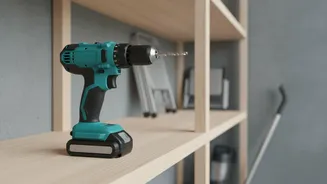
In the tight confines of city apartments, space is a premium. Yet, many of us are guilty of purchasing equipment for one-off tasks. A drill for hanging a new painting, a high-pressure washer for cleaning the balcony, or a carpet cleaner for an unfortunate
spill. These items are often expensive, used infrequently, and end up occupying valuable storage space. This pattern of consumption contributes to a larger problem: waste. The 'take-make-dispose' model, where we buy, use, and then discard or store items indefinitely, is environmentally unsustainable. It fuels unnecessary production, consumes precious resources, and adds to our growing waste management challenges. Beyond the environmental cost, there's a personal financial drain. The cumulative expense of buying tools for occasional use can be substantial for an average household.
Enter the 'Library of Things'
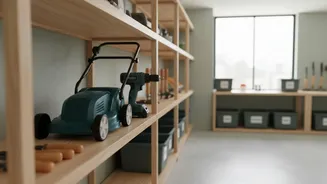
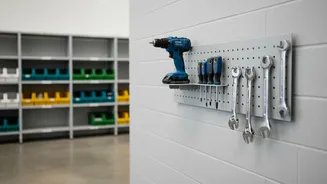
Imagine a library where you can borrow not just books, but a power drill, a lawnmower, or even extra chairs for a party. This is the simple but powerful idea behind a community tool library, or a 'Library of Things'. It’s a shared pool of equipment that members of a community can borrow for a short period. This concept is a cornerstone of the sharing economy, which prioritises access over ownership. Instead of a hundred homes on a single street owning a hundred underused drills, the community shares a few high-quality ones. This model is gaining traction in housing societies across India, offering a practical solution to the problems of cost, clutter, and consumption. It’s an idea that aligns with a long-standing Indian culture of sharing, now updated for modern urban life.
How It Works in a Housing Society
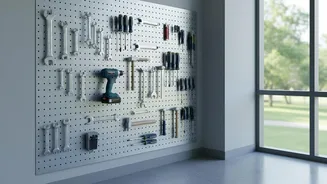
Setting up a tool library in a residential complex is surprisingly straightforward. It often begins with a few proactive residents and the support of the society's managing committee. The first step is to find a secure, accessible space—an unused storeroom, a section of the basement, or a designated cabinet in the community hall works perfectly. The initial inventory can be built from donations of sparingly used tools from residents themselves. Many households are happy to declutter and contribute to a common cause. For more expensive or specialised equipment, the society can use a portion of its maintenance funds or collect a small one-time contribution from interested members. Management is often handled through a simple system. A WhatsApp group can be used for booking and coordination, while a basic logbook or a simple spreadsheet tracks who has borrowed what and when. Some tech-savvy societies may use dedicated apps that allow residents to browse available items and reserve them. A nominal annual membership fee can cover the costs of maintenance, repairs, and the gradual expansion of the inventory.
Beyond Drills and Hammers
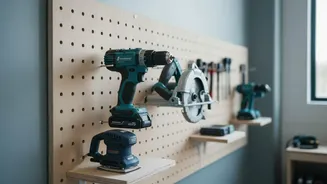
While power tools are a popular starting point, the potential inventory for a community library is vast. Successful initiatives often expand to include a wide range of items that people need, but not every day. This can include gardening equipment like shears and trowels, car maintenance tools, sturdy ladders of various sizes, and cleaning appliances like vacuum cleaners or steam mops. The concept can even extend to social and recreational items. Think board games, sports equipment for kids, extra folding tables and chairs for functions, or large cooking vessels for community festivals. By catering to a diverse set of needs, the tool library becomes a more valuable and integrated part of community life, enhancing its utility for all residents.
The Ripple Effects of Sharing
The most immediate benefit of a tool library is financial. Residents save money by borrowing instead of buying. The second major advantage is waste reduction. By increasing the utilisation of each item and reducing the total number of products manufactured, the community significantly lowers its collective environmental footprint. This aligns with the broader national push towards a circular economy, which focuses on reusing and recycling resources. But the benefits don't stop there. A tool library becomes a natural hub for interaction. Neighbours who might otherwise never speak find themselves connecting over a shared project or a borrowed tool. It fosters a sense of collective ownership and cooperation, strengthening community bonds. This simple act of sharing resources can transform a collection of apartments into a more collaborative and supportive neighbourhood.