






A Landmark for the Eastern Himalayas
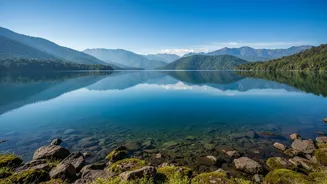
On August 3, 2026, Glaw Lake, nestled within the Kamlang Tiger Reserve, was officially named a wetland of international importance under the Ramsar Convention, an environmental treaty from 1971. This designation made it not only Arunachal Pradesh's first
such site but also the 101st for India. The Ramsar tag provides international recognition, highlighting a site's immense ecological value and boosting conservation efforts. For Glaw Lake, a pristine freshwater body fed by mountain streams and surrounded by lush forests harbouring over 150 tree species, this status is a crucial step toward safeguarding its unique biodiversity. This moment, however, serves a larger purpose: it forces us to look closer at the vulnerable ecosystems it represents.
What Are High-Altitude Wetlands?
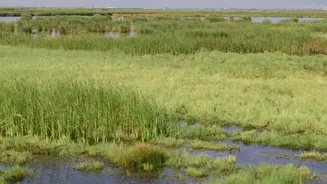
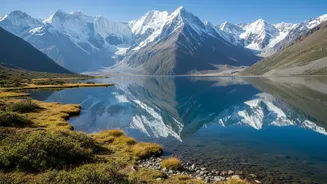
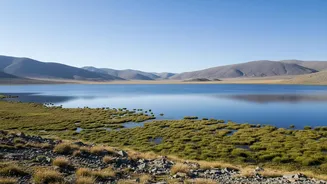
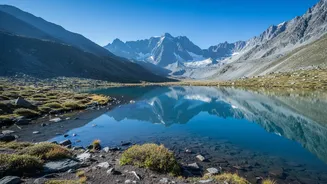
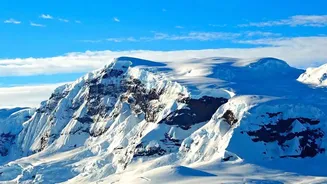
High-altitude wetlands, often found above 3,000 metres, are some of the most sensitive ecosystems on the planet. These are not just stagnant bodies of water; they are complex systems including glacial lakes, marshes, and peatlands that are often fed by melting glaciers and snow. Think of them as the 'water towers' of the Himalayas. They play a critical role in regulating the flow of water to major rivers like the Brahmaputra, which millions of people downstream depend upon. These wetlands are also biodiversity hotspots, providing essential habitats for unique and often endangered species, including the Black-necked crane, and serving as vital stopover points for migratory birds.
A Fragile System Under Pressure
Despite their importance, high-altitude wetlands face a host of severe threats. Climate change is arguably the biggest challenge, with rising temperatures accelerating glacial melt and altering rainfall patterns, which directly impacts the water balance of these ecosystems. Unregulated tourism is another growing concern, leading to pollution and solid waste management issues in previously pristine environments. Furthermore, infrastructure development, such as the construction of roads and dams, along with increased grazing pressure, can degrade habitats and disrupt the delicate ecological balance. These pressures combined create a precarious situation for the health and longevity of these vital water sources.
Beyond the Designation: The Path to 'Wise Use'
Earning a Ramsar designation is a significant victory, but it is only the first step. The convention promotes the 'wise use' of wetlands, which means managing them to maintain their ecological character while allowing for sustainable human use. Effective conservation requires more than just a label; it demands a comprehensive management plan. This involves active participation from local indigenous communities who have traditionally depended on these ecosystems and hold invaluable knowledge. It also means developing clear policies for sustainable tourism, conducting continuous scientific monitoring to track the health of the wetland, and integrating conservation efforts into broader river basin management plans to ensure water security for everyone.