






The Reality of Automation
There's no denying that AI is changing the landscape. Routine, repetitive tasks such as basic coding, manual testing, data entry, and first-level customer support are increasingly being automated. Major Indian IT firms have seen reductions in their workforce
as they integrate AI to improve efficiency and cut costs. This shift has particularly impacted entry-level roles, where automation can handle high-volume, process-driven work. The anxiety is understandable; a recent survey showed that while 94% of Indian professionals believe mastering AI is crucial for their careers, many are deeply concerned about job displacement if they fail to adapt.
AI as a Co-Pilot, Not a Replacement
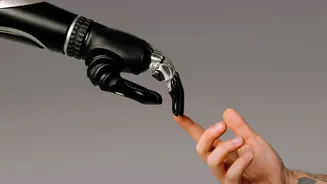
Instead of viewing AI as a direct competitor, the more strategic approach is to see it as a co-pilot. While AI excels at processing vast datasets and automating workflows, it lacks the uniquely human ability to understand context, navigate complex social dynamics, and make strategic judgments. The World Economic Forum has projected that while AI could displace millions of jobs globally, it is also expected to create even more new roles. A recent Nomura report on India specifically found that AI-related hiring has so far outpaced job losses, with new roles for IT graduates emerging to meet the demand for AI infrastructure. The future isn't about humans versus machines, but about professionals who can effectively leverage AI as a tool to amplify their own abilities.
The Irreplaceable Human Skills
In an era of automation, so-called 'soft skills' have become hard currency. These are the capabilities that AI cannot replicate. Critical thinking and creative problem-solving are paramount; AI can generate solutions based on existing data, but it takes a human to frame the right questions and devise innovative strategies for novel challenges. Emotional intelligence, communication, and collaboration are also becoming more valuable. As AI handles the technical grunt work, the ability to lead a team, negotiate with clients, and understand user needs becomes the core function of many roles. These human-centric skills are the true differentiators in an AI-augmented workplace.
The Rise of the Hybrid Professional
The most in-demand professionals are those who blend technical know-how with deep domain expertise. It's no longer enough to be just a coder or just a business analyst. Companies are seeking 'hybrid' talent: a marketing expert who can use AI for data analysis, a healthcare specialist who understands how to apply machine learning to diagnostics, or a finance professional skilled in AI-driven fraud detection. According to a PwC-FICCI study, nearly 72% of India's Global Capability Centres (GCCs) need to upskill over 40% of their staff to combine tech capabilities with business judgment to maximize AI's value. This fusion of skills is where true innovation and career security now lie.
The Upskilling Imperative
The message from industry leaders is clear: continuous learning is no longer optional. Initiatives like NASSCOM's FutureSkills Prime, a joint effort with the government, aim to reskill millions of professionals in emerging technologies like AI, data analytics, and cybersecurity. The goal is to transform India from a digital workforce into a 'Digital Talent Nation'. For individuals, this means proactively seeking out training in AI literacy, prompt engineering, and data analysis. But it also means honing professional skills like strategic thinking and leadership. The professionals who thrive will be those who embrace lifelong learning and adapt their skill sets to complement, rather than compete with, artificial intelligence.