

The big Indian wedding is back, but our wardrobes are getting smarter. For 2026, the most talked-about trend isn’t a colour or a fabric, but an idea: buying one stunning outfit and wearing it in multiple ways. Enter detachable elements.
The Philosophy: More Style, Less Waste
For years, the
biggest dilemma for any wedding guest has been spending a small fortune on a heavily embellished outfit, only to wear it once. The 2026 season offers a clever and stylish solution. The trend of convertible clothing is driven by a desire for sustainability, versatility, and getting more value from our wardrobes. It’s about investing in high-quality pieces that can be transformed. A single lehenga or gown can now offer two, or even three, distinct looks suitable for different functions, from the main ceremony to the reception. This approach allows for individuality and practicality, a combination modern consumers are increasingly demanding.
The Detachable Skirt: Ceremony Grandeur to Reception Chic
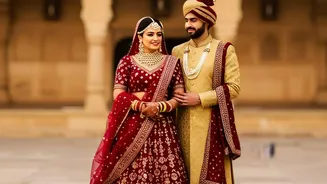
One of the most dramatic examples of this trend is the detachable overskirt. Brides and guests are opting for gowns and lehengas that come with a voluminous, often heavily embroidered, secondary skirt. For the main ceremony, the overskirt provides a traditional and regal silhouette. Later, for the sangeet or reception, it can be removed to reveal a sleeker, lighter lehenga or a straight-cut gown underneath, perfect for dancing the night away. This 'two-in-one' functionality not only provides a dramatic outfit change but also enhances comfort without sacrificing style.
Transformative Sleeves and Capes
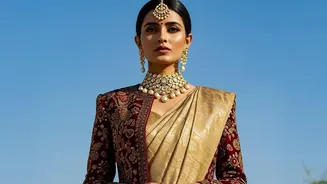
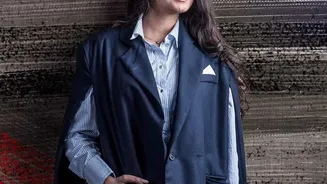
Sleeves are no longer just a part of the blouse; they are a statement accessory. The 2026 trend sees a rise in detachable sleeves in various styles—from puffy organza sleeves that add a touch of romance to intricately embroidered ones that offer a more formal look. A bride can wear a sleeveless blouse for a relaxed mehendi and then attach dramatic sleeves for the evening cocktail party. Similarly, detachable capes offer another layer of versatility. A simple gown or lehenga can be instantly elevated with a floor-sweeping cape, which can be removed later for a more minimalist aesthetic. These elements allow wearers to adapt their look to the formality of each specific event.
Modular Blouses and Clever Dupattas
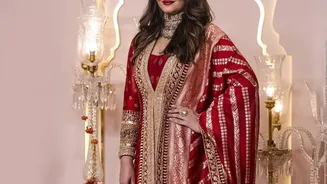
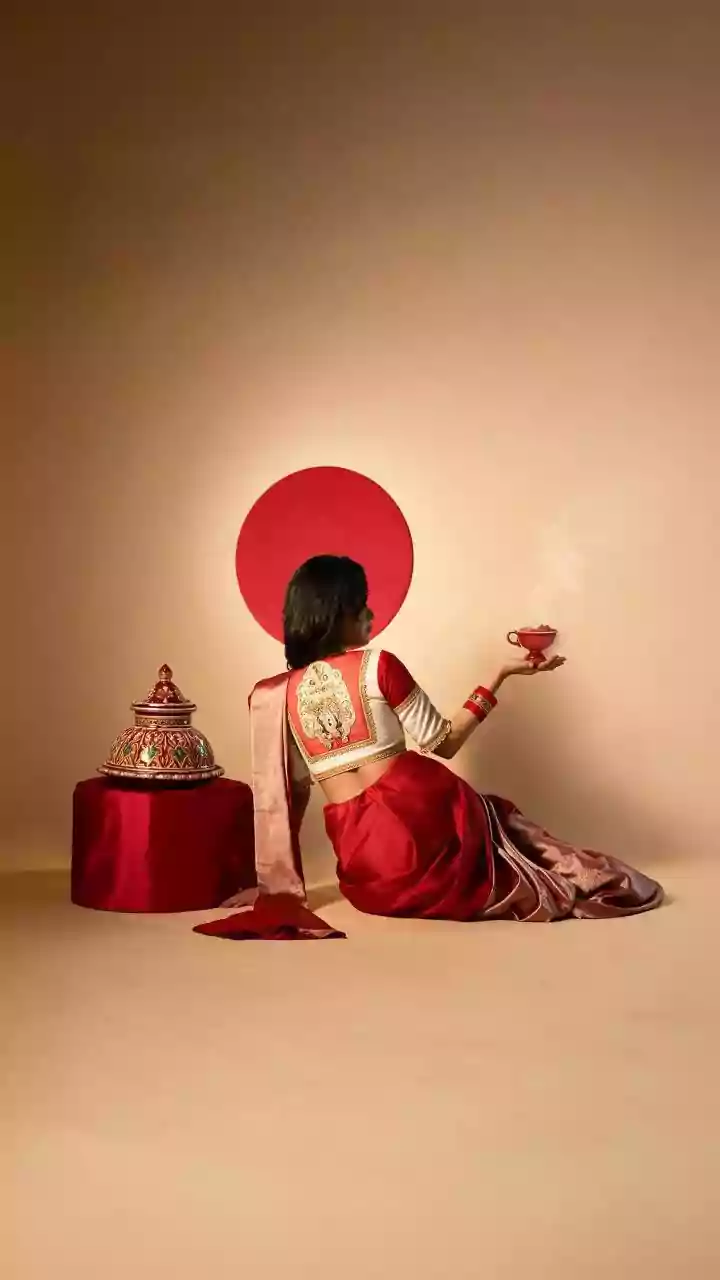
The versatility extends to the upper part of the outfit as well. Designers are creating blouses with removable peplums or convertible necklines. One particularly innovative trend is the double_draped dupatta, where one is a traditional, heavily_worked piece for the ceremony, and a second, lighter one is used for the party. Some outfits feature cape_like dupattas that are attached to the shoulders and can be removed entirely, transforming a traditional outfit into a contemporary fusion look. This modular approach means that even a single blouse can be styled in multiple ways, paired with different sarees or lehengas long after the wedding is over.
Beyond the Bride: A Smart Choice for Guests
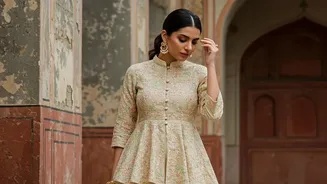
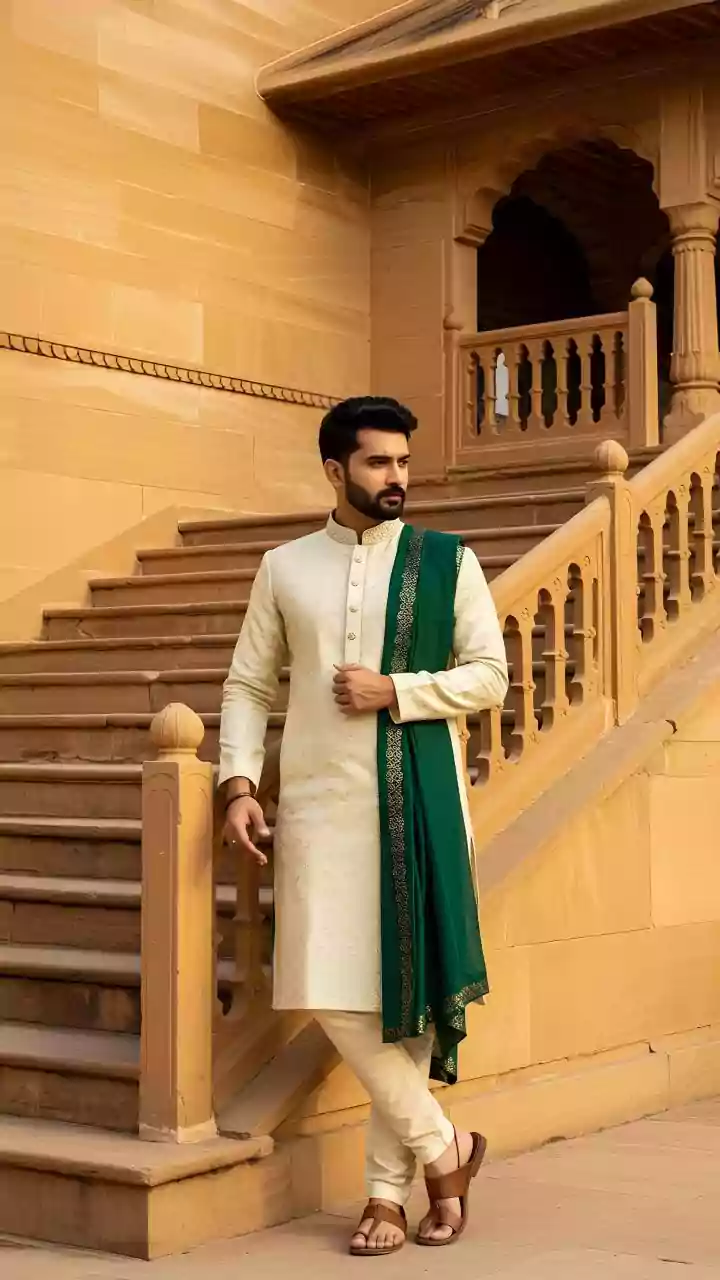
This trend isn't just for brides. Wedding guests are also embracing the logic of reusability. A sharara suit with a detachable short jacket, an Anarkali with a removable embellished belt, or a co_ord set with a cape can be broken up and worn as separates for smaller functions or festive occasions. This focus on practicality reflects a broader shift in Indian fashion towards mindful consumption. The goal is to build a festive wardrobe with pieces that are not just beautiful but also versatile and long_lasting, ensuring that your investment in occasionwear goes a long way.