

Delhi's vibrant cultural calendar is about to get its most ambitious addition yet. The city is gearing up to host the India Art and Architecture Biennale (IAAB), a sprawling celebration poised to transform historic landmarks into lively hubs of creativity.
A New Cultural Landmark
So, what exactly is a biennale? Held every two years, a biennale is a large-scale international contemporary art exhibition. While India has a vibrant art scene, the IAAB is a significant government-led initiative by the Ministry of Culture, aiming to create a flagship national event. It’s designed not just for art connoisseurs but for everyone, providing a platform to explore the intersections of art, architecture, design, and community. The event seeks to democratise art, taking it out of exclusive galleries and placing it within iconic public spaces, making it accessible to thousands of visitors. Following the blueprint of its inaugural edition, the biennale is expected to be a week-long extravaganza that ignites conversations and establishes a new recurring highlight on the global cultural map.
A City as the Canvas
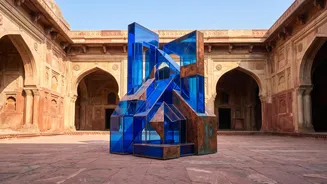
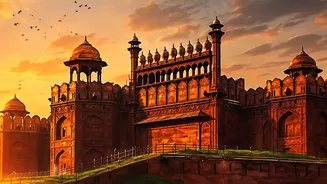
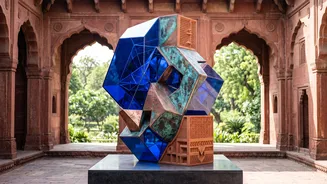
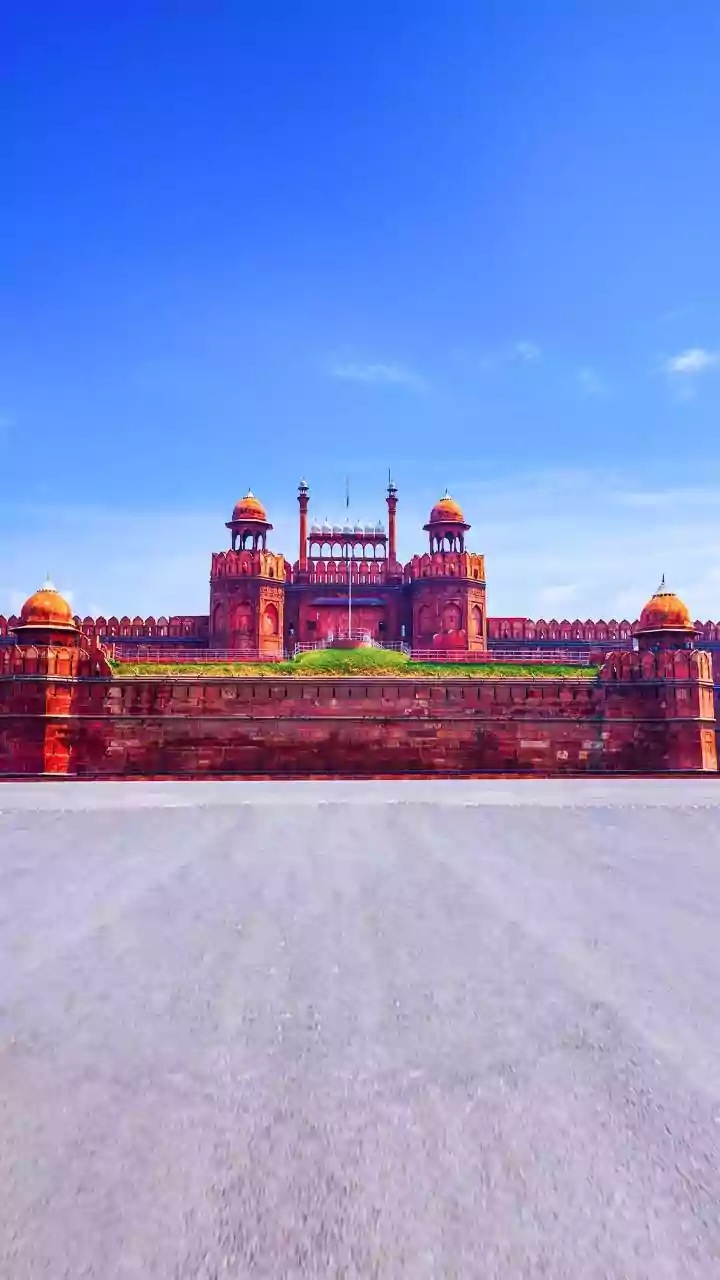
One of the most exciting aspects of the IAAB is its choice of venue. The heart of the biennale will once again be the historic Red Fort. This is a powerful statement, reimagining a 17th-century monument as a dynamic stage for 21st-century ideas. By using the barracks, gardens, and other spaces within the fort complex, the event creates a unique dialogue between India's rich heritage and its contemporary creative pulse. This approach moves beyond the 'white cube' gallery model, offering a far more immersive and context-rich experience. Visitors will get to wander through a space they thought they knew, only to discover it anew through the lens of art and architectural installations. This blending of past and present is central to the biennale's identity and promises a visual journey unlike any other.
What to See and Experience
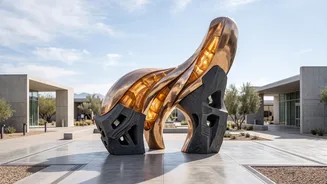
The upcoming biennale is expected to be structured around a series of curated pavilions, each exploring a distinct theme. Drawing from the framework of the first event, visitors can likely anticipate pavilions dedicated to different facets of art and design. These exhibitions are not just static displays; they are immersive environments crafted by leading artists, architects, and curators from India and around the world. Imagine walking through installations that respond to light and sound, architectural models that propose new ways of living, and galleries that celebrate indigenous art forms. A key component is also the student biennale, which provides a crucial platform for emerging talent from universities across the country to showcase their work, offering a glimpse into the future of Indian design and architecture.
More Than Just Exhibitions
While the visual displays are the main draw, the IAAB is conceived as a holistic cultural festival. The week will be packed with a parallel programme of events designed to engage and inspire. This includes keynote addresses by globally renowned architects and artists, panel discussions on pressing urban and cultural issues, and handson workshops for children and adults. Cultural evenings featuring music and dance performances are also expected to be a major highlight, transforming the venue into a festive space after sunset. This rich tapestry of activities ensures there is something for everyone, whether you are a seasoned professional, a curious student, or a family looking for a unique day out. It’s an invitation to not just see art, but to participate in a larger cultural conversation.