



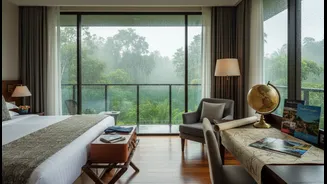

The Rain-Soaked Revolution
Not long ago, the arrival of the monsoon meant a quiet period for India's hotel industry. Tourists would retreat, and hoteliers would brace for a lull in business. That is decisively no longer the case. A significant shift in travel behaviour is turning
the rainy months from June to September into a bustling tourism season. Hotels in destinations like Kerala, Goa, Rajasthan, and hill stations across the Himalayas are reporting a substantial rise in bookings. Major hospitality chains have noted double-digit growth in occupancy compared to previous years. For instance, Radisson Hotel Group saw July bookings pacing 10% ahead year-on-year, while some destinations have seen bookings grow by staggering amounts. This surge, driven largely by domestic travellers, is transforming what was once a predictable slump into a competitive and lucrative period for the hospitality sector.
What's Driving the Downpour Demand?
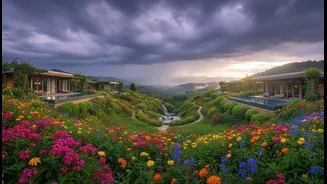
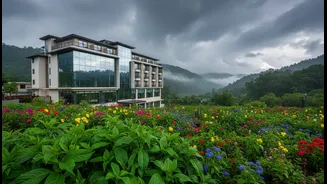
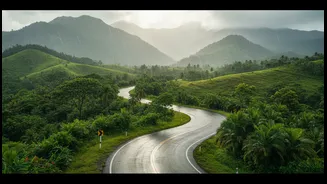
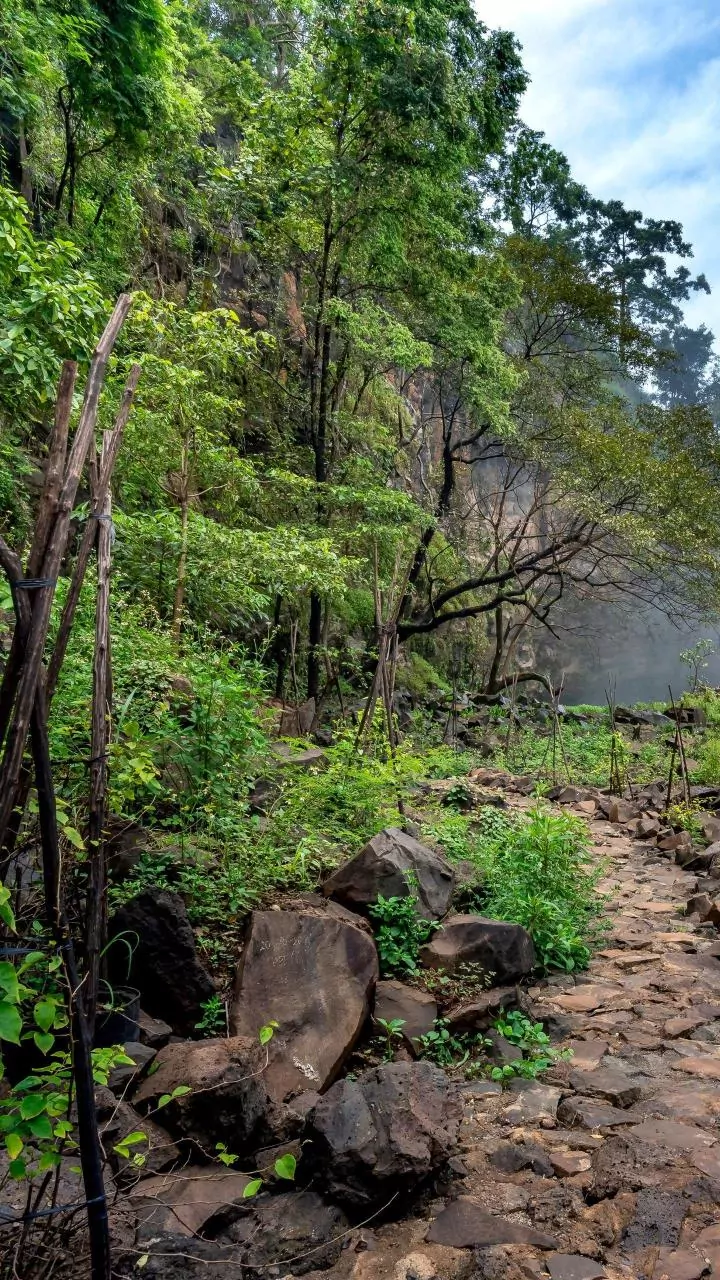
Several factors are fuelling this trend. Travellers are increasingly seeking unique and authentic experiences, and the monsoon offers just that—lush green landscapes, cooler temperatures, and swollen waterfalls create a dramatic backdrop that stands in stark contrast to the crowded peak seasons. This shift is also a story of accessibility and changing lifestyles. Improved highways and domestic flight networks make spontaneous weekend trips easier than ever. Many are opting for shorter, more frequent breaks throughout the year rather than one long annual holiday. The desire for quieter, more immersive getaways with fewer crowds is a powerful motivator. This, combined with the allure of what were once considered off-season prices, has created a perfect storm for monsoon travel's popularity.
Hotels Adapt to the New Climate
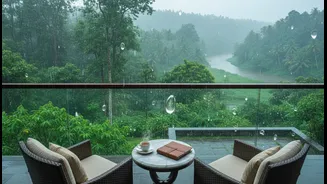
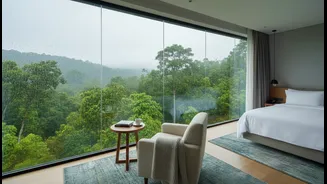
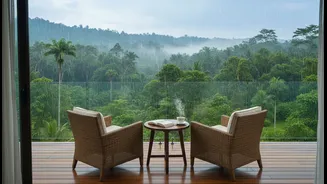
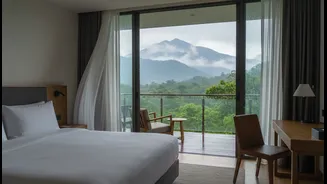
The hotel industry has been quick to respond to this evolving demand. Instead of simply slashing prices, hoteliers are now actively marketing the monsoon as a premium experience. Many are curating special packages that highlight the season's unique appeal, such as wellness retreats focusing on Ayurveda, indoor recreational activities, and menus featuring regional comfort foods. In Goa, for example, where tariffs would historically drop significantly, sustained demand has made pricing more resilient. Hotels are promoting experiences like spa treatments, heritage tours, and simply the cozy luxury of watching the rain from a comfortable room. This strategic pivot from discounting to value-added experiences shows a sophisticated understanding of the new monsoon traveller, who is looking for more than just a cheap room.
From Hills to Coasts: Popular Monsoon Escapes
The trend is not limited to one region. In the south, Kerala’s backwaters and Munnar’s tea gardens become verdant wonderlands. In the west, Goa's beaches offer a different, more dramatic charm under rainy skies, while hill stations like Lonavala and Mahabaleshwar are perennial favourites. To the north, destinations like Shimla, Mussoorie, and Srinagar are seeing a surge in visitors seeking misty mountain views. Even spiritual destinations like Ayodhya and Varanasi are maintaining healthy occupancies, demonstrating that the appeal of travel during this season is widespread and varied. This geographic diversity ensures that the benefits of the extended season are being felt across the country's tourism ecosystem.
What This Means for Your Travel Plans
For travellers, this shift has both pros and cons. While the monsoon still offers a chance to see a different side of India, the days of expecting deep, last-minute discounts are fading. With hotels reporting higher occupancy and more resilient pricing, booking in advance is becoming increasingly necessary. Data shows a rise in spontaneous trips, with many booking just days before travel, creating a competitive booking environment. The takeaway is clear: the monsoon is no longer the travel industry's secret. It is a popular, in-demand season. While you can still find good value, it requires the same level of planning that was once reserved for peak summer or winter holidays.