


The Hidden Dangers of a Damp Coat
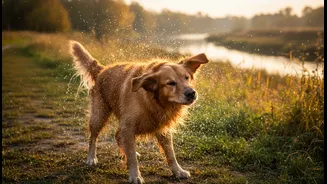
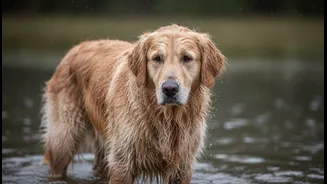
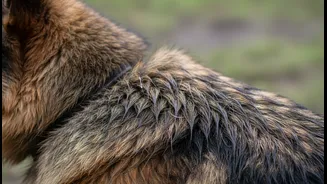
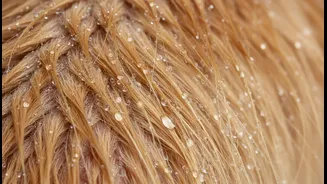
Letting a wet dog shake and air-dry seems like the most natural option, but it leaves moisture trapped against the skin, particularly in dogs with thick or double coats. This creates a warm, humid micro-environment which is a perfect breeding ground for
bacteria and yeast. This can lead to a host of uncomfortable and painful skin issues. One of the most common problems is acute moist dermatitis, better known as 'hot spots'. These are red, inflamed, and infected patches of skin that can appear and spread rapidly, often within hours. The constant moisture also makes dogs susceptible to bacterial infections like pyoderma, which presents as pimple-like pustules and crusty skin, and fungal infections like Malassezia dermatitis, which causes a musty odour and greasy coat.
Why the Monsoon Makes It Worse
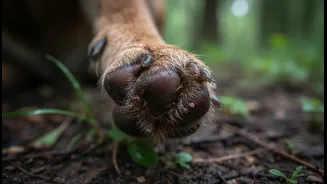
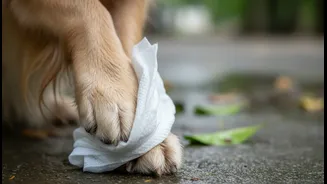
The high humidity of the Indian monsoon season dramatically amplifies these risks. When the air is already saturated with moisture, your dog's coat takes significantly longer to dry on its own. A dog that gets wet during a morning walk can still have a damp undercoat by midday. This prolonged dampness gives bacteria and fungi an extended opportunity to multiply. Areas with less air circulation, such as skin folds, armpits, paws, and under the collar, are especially vulnerable. Breeds with wrinkly skin like Pugs and Bulldogs, or those with floppy ears like Labradors and Cocker Spaniels, face an even higher risk of developing skin fold pyoderma and ear infections, respectively.
The Active Drying Advantage
This is where active blow-drying comes in. It’s not about aesthetics; it's about preventative healthcare. Thoroughly drying your dog's coat removes the moisture that fuels harmful microbial growth. By ensuring even the dense undercoat is completely dry, you eliminate the primary condition required for hot spots and other infections to develop. A dry dog is a comfortable dog, less likely to develop the intense itchiness that leads to scratching, which further damages the skin and worsens infections. Moreover, proper drying helps prevent the hair from clumping and forming mats, which can pull on the skin and create more hidden pockets of moisture. Think of it as actively managing your dog's skin environment to keep it healthy.
How to Blow-Dry Your Dog Safely
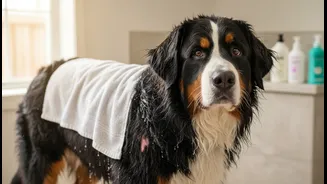
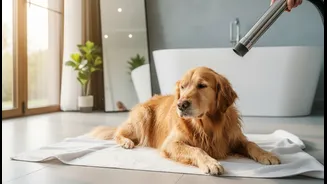
Using a hair dryer on a pet requires care to ensure it's a safe and stress-free experience. First, always towel-dry your dog thoroughly to remove as much excess water as possible. If you use a human hair dryer, it is critical to use it only on the lowest heat or cool setting. A dog's skin is more sensitive than ours and can burn easily. Dog-specific dryers, which use high-velocity air rather than heat, are an excellent investment. Hold the dryer at least six to twelve inches away from your dog's coat and keep it constantly moving to avoid concentrating heat on one spot. Start with the lowest speed setting and allow your dog to get used to the noise and sensation, using treats and praise to create a positive association. Work in the direction of hair growth, and use your free hand or a brush to gently lift the fur, allowing air to reach the skin and undercoat. Never blow air directly into your dog’s face, ears, or eyes.