
The Challenge with Plant-Based Nutrients
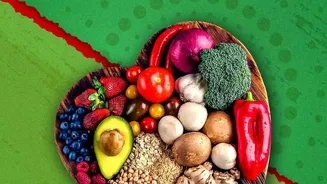
Plant-based diets are celebrated for their health benefits, but they come with a unique nutritional puzzle. Many plant foods like legumes, whole grains, and leafy greens are excellent sources of both protein and essential minerals like iron. However,
the nutrients in these foods are not always easy for our bodies to absorb. This is because of compounds known as 'anti-nutrients,' such as phytates and tannins, which are naturally present in plants. These compounds can bind to minerals, making them less available for your body to use. The form of iron in plants, called non-heme iron, is particularly susceptible to these inhibitors and is absorbed less efficiently than the heme iron found in animal products. This means that even if a food is technically rich in iron and other nutrients, you might not be getting the full benefit.
Vitamin C: The Master Key for Absorption
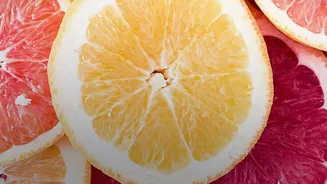
This is where Vitamin C, or ascorbic acid, plays a starring role. While widely known as an immune booster, its most well-documented synergistic effect in a vegetarian diet is its remarkable ability to enhance the absorption of non-heme iron. When you consume Vitamin C alongside a plant-based source of iron, it essentially unlocks the iron from the grip of inhibitors like phytates. It converts the iron into a form that is more soluble and readily absorbed by your intestines. Studies have shown that adding Vitamin C to a meal can increase non-heme iron absorption by two to three times, and in some cases, even more. This effect is so significant that it can make a major difference in preventing iron deficiency, a common concern for vegetarians.
So, What About Protein?
The headline's focus is on protein, and while Vitamin C's direct impact is most pronounced on iron, the relationship is part of a broader nutritional synergy. Plant protein sources rarely exist in isolation; they are part of a package that includes iron, fibre, and other micronutrients. By enhancing iron absorption, Vitamin C helps support overall metabolic health, as iron is crucial for transporting oxygen and for energy production — processes essential for the synthesis and use of protein. Furthermore, some research suggests Vitamin C may have a more direct, albeit modest, role in enhancing the absorption of certain amino acids, the building blocks of protein. The main takeaway is that Vitamin C improves the entire nutritional profile of a meal, ensuring your body is better equipped to utilize all the nutrients present, including protein.
Putting Synergy on Your Plate
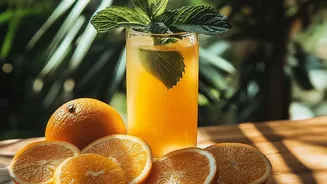
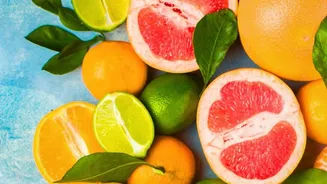
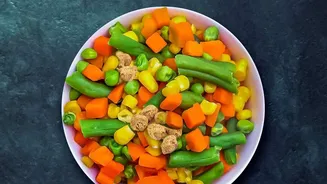
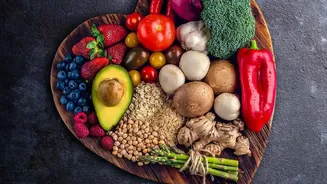
Making this nutritional science work for you is simple and delicious. The key is to consciously pair your plant protein sources with foods rich in Vitamin C. You don't need large amounts; even about 50 milligrams of Vitamin C per meal can be effective. Many traditional Indian and global cuisines already do this instinctively. A generous squeeze of lemon or lime over a bowl of dal or bean curry is a classic example. Other easy pairings include having a side of amla (Indian gooseberry) with a spinach dish, adding bell peppers (capsicum) and tomatoes to a chickpea salad, or enjoying a glass of orange juice with your iron-fortified breakfast cereal. Combining lentils or beans with Vitamin C-rich vegetables like broccoli or cauliflower in a single dish is another effective strategy.
Tips for Maximum Benefit
To get the most out of this food synergy, timing is important. The enhancing effect of Vitamin C works best when consumed during the same meal as your iron and protein source. It's also wise to be mindful of inhibitors. Tannins, found in tea and coffee, can significantly block iron absorption. Try to avoid drinking tea or coffee for about an hour before or after an iron-rich meal to give your body the best chance to absorb the minerals. Finally, remember that cooking can degrade Vitamin C, so adding your source of the vitamin towards the end of cooking or using fresh, raw sources like a squeeze of lemon juice or a fresh salad is often most effective.