





From Concrete to Calm
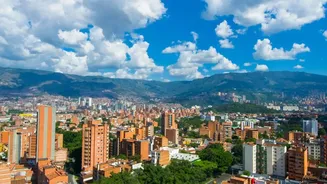
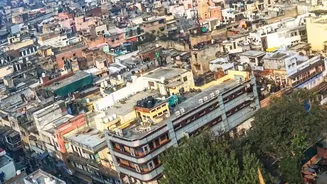
For many, city living is associated with higher rates of anxiety and depression. Research shows that factors like noise pollution, overcrowding, and a lack of green space can negatively impact our mental state. Historically, urban planning has often prioritized
vehicle traffic and commercial density over the human experience. The result is often an environment that creates stress rather than reduces it. However, a growing body of evidence linking our surroundings to our health is forcing a major reconsideration. The new focus is on creating cities that not only function efficiently but also actively nurture the physical and mental health of their inhabitants. This shift moves beyond simply adding a park here and there; it's about fundamentally rethinking how streets, buildings, and public spaces are designed and integrated.
The Rise of the 15-Minute City
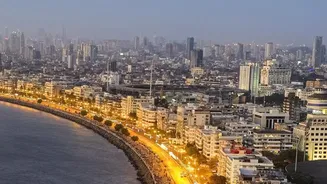
One of the most influential ideas driving this change is the '15-minute city'. First popularised in Paris, the concept is simple: all essential daily needs—work, shopping, education, healthcare, and leisure—should be accessible within a 15-minute walk or bike ride from home. This model aims to reduce dependency on cars, which in turn cuts down on air and noise pollution. By creating more 'polycentric' cities made up of self-sufficient neighbourhoods, planners hope to foster stronger community ties, encourage physical activity, and give time back to residents who would otherwise spend it commuting. It’s a human-centric approach that prioritises accessibility and local living, creating a more sustainable and less stressful urban fabric.
Embracing Nature with Biophilic Design
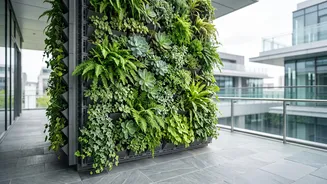
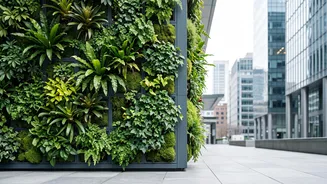
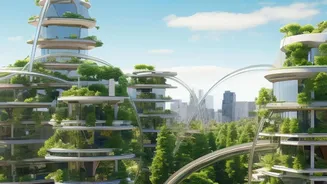
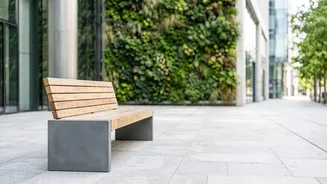
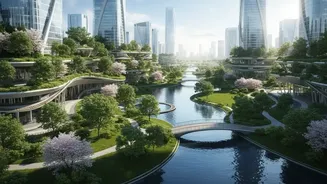
Another key trend is biophilic design, which is based on the idea that humans have an innate need to connect with nature. In practice, this means intentionally integrating natural elements into our built environments. This goes far beyond just potted plants. It includes creating living walls, rooftop gardens, incorporating natural materials like wood and stone, and maximizing natural light in buildings. In India, where traditional architecture has long embraced courtyards and natural ventilation, this modern approach feels like a natural evolution. Projects like Kolkata's Biowonder corporate park showcase this by featuring staggered green terraces and ensuring most offices receive natural daylight, enhancing both aesthetics and employee well-being. Studies show that exposure to these natural elements can reduce stress, improve focus, and even lower blood pressure.
Healthy Streets for Healthy People
The very arteries of a city—its streets—are also being reimagined. In India, the #HealthyStreets movement is gaining traction, aiming to redesign streets as places for people, not just corridors for cars. This involves widening footpaths, adding dedicated and protected cycle tracks, creating safe pedestrian crossings, and planting more trees for shade. Cities like Pune and Chennai have already begun transforming kilometres of roads, with inspiring results. Studies on these transformed streets show they attract more pedestrians, including more women, children, and elderly citizens. They also report better air quality and a stronger sense of safety. By making walking and cycling safe and pleasant, these initiatives promote daily physical activity and reduce the carbon emissions that contribute to significant public health issues.
Designing for Social Connection
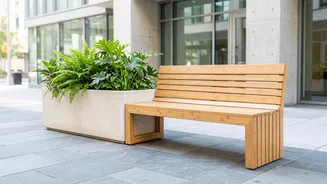
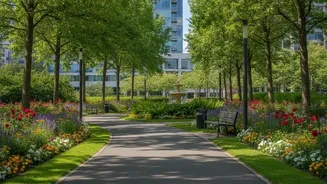
Beyond physical health, the new urban rethink is also tackling loneliness and social isolation. Well-designed public spaces can encourage social interaction, which is vital for mental wellness. This can be as simple as adding more public seating, creating vibrant public squares, or designing mixed-use developments where shops, offices, and homes are blended. When streets feel safe and inviting, they become platforms for unplanned interactions and help foster a sense of community. By creating environments that encourage people to linger, socialise, and connect, urban design can actively combat the feelings of isolation that are increasingly common in dense cities.