



More Than a Flyby
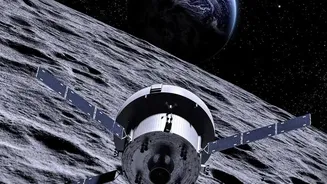
The Artemis II mission, which sent four astronauts on a journey around the Moon in April 2026, was primarily a test flight to validate the Orion spacecraft's systems for future landings. But it was also a monumental opportunity for science. For the first
time in over 50 years, trained human observers flew past the Moon, armed with powerful cameras and their own geological knowledge. The mission's preliminary science report, released by NASA in October 2026, compiles over 800 gigabytes of photos, videos, and audio recordings, offering a treasure trove of new information. This data goes beyond what robotic probes can provide, emphasizing the unique value of human observation in space exploration.
A Moon of Many Colors
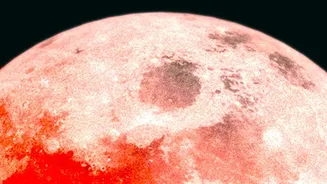
One of the most startling revelations from the Artemis II crew was the unexpected palette of the lunar surface. While we see the Moon in shades of white and grey, the astronauts reported seeing surprising hues. Mission Specialist Christina Koch described one region, the Aristarchus Plateau, as looking like a 'jaundiced cheek' with distinct yellow tones. Pilot Victor Glover noted streaks of brown and even 'swampy green' colors. Scientists believe these colors are linked to the Moon's volcanic past. The yellow and brown shades could indicate titanium-rich orange glass beads, while the green may correspond to magnesium-rich glass, similar to samples brought back by the Apollo missions. These visual observations provide crucial real-time geological context that can help identify scientifically rich landing spots for future missions.
Flashes in the Dark
During a 54-minute solar eclipse, as the Orion capsule passed behind the Moon, the crew witnessed another remarkable phenomenon: five faint flashes of light on the darkened lunar surface. After ruling out cosmic rays or reflections, NASA scientists confirmed these were likely impacts from pebble-sized meteoroids hitting the Moon at thousands of miles per hour. While Apollo astronauts had reported similar sightings, the Artemis II crew may have seen the faintest impacts ever witnessed by the unaided eye, thanks to the ideal viewing conditions. This observation is more than just a curiosity; understanding the frequency of even small impacts is critical for assessing risks and designing safe, long-term habitats for future lunar colonists.
The Far Side's Rugged Face
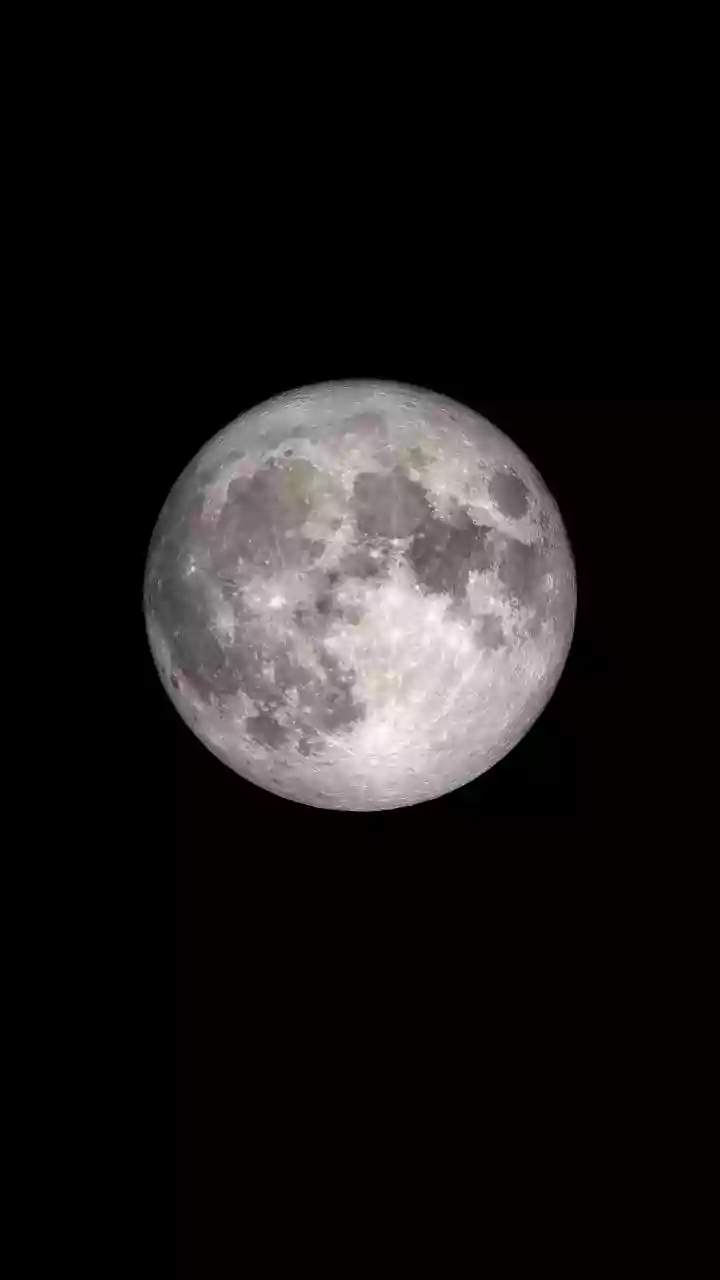
The Moon's far side, permanently hidden from Earth, is known to be geologically different from the near side—more heavily cratered and with fewer large volcanic plains. The Artemis II crew provided a new perspective on this rugged landscape. Astronauts described the view along the 'terminator'—the line dividing day and night—as fantastically rugged, with craters and peaks thrown into sharp relief. They captured detailed imagery of key features like the massive, multi-ringed Hertzsprung and Orientale basins. These human-guided observations help geologists refine their understanding of the massive ancient impacts that shaped the Moon's two distinct faces, a mystery that has puzzled scientists for decades.
Informing the Next Giant Leap
Ultimately, the science from Artemis II serves a clear purpose: to pave the way for Artemis III and beyond. The crew's detailed descriptions of lunar geology, observations of impact events, and confirmation of colorful, mineral-rich areas provide invaluable 'ground truth' for mission planners. This information will directly influence the selection of landing sites for Artemis III, which aims to put astronauts on the lunar South Pole. By identifying areas that are not only safe to land on but also scientifically compelling, the Artemis II findings are a crucial down payment on humanity’s return to the lunar surface and the establishment of a sustainable presence there.