


The Rise of the Midnight Lifter
The traditional 9-to-5 workday is no longer the only game in town, and fitness routines are changing with it. For a growing number of people in India, especially in bustling metro cities, the idea of a pre-dawn workout is simply impractical. Long commutes,
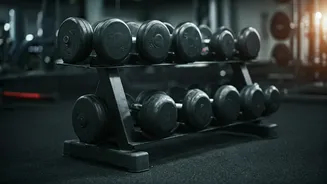
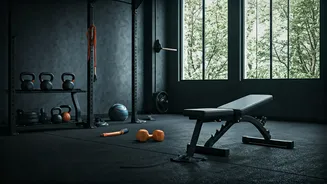
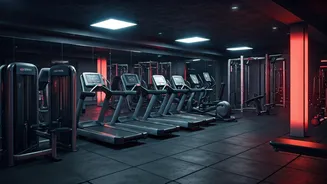
late working hours, and the demands of a globalised work culture mean peak energy doesn't always align with sunrise. This has given rise to the late-night gym-goer. These are not just shift workers; they are young professionals, creatives, and remote employees who find that the hours after 10 PM offer something precious: peace. The biggest draw for many is avoiding the overwhelming crowds that plague gyms during typical peak hours. Fewer people mean no more waiting for the squat rack or navigating a crowded weights floor. This translates to a more focused, efficient, and less stressful workout session.
The Myth About Exercise and Sleep
For years, conventional wisdom warned that exercising at night would overstimulate your body and ruin your sleep. The fear was that elevated heart rate, adrenaline, and body temperature would leave you tossing and turning for hours. However, a growing body of research is challenging this notion. Several studies show that for many people, evening exercise can actually improve sleep. It can help you fall asleep faster and increase the amount of deep sleep, which is crucial for physical and mental recovery. The key seems to lie in the intensity and timing. Vigorous, high-intensity workouts like interval training right before bed can indeed interfere with your ability to wind down. This is because they keep your body in a heightened state of alertness. However, moderate exercise like jogging, yoga, or light strength training often has the opposite effect, helping to de-stress the mind and signal to the body that it's time to rest.
Finding Your Peak Performance Window
The conversation about workout timing is becoming more personalised, moving beyond a one-size-fits-all approach. The concept of a 'chronotype'—your body's natural inclination to be a morning person ('lark') or an evening person ('wolf')—is key. Research suggests that 'wolves' or night owls may naturally experience their peak physical performance in the late afternoon or evening. During this window, their body temperature is higher, muscles are more reactive, and strength can be at its maximum. Forcing a night owl into a 6 AM workout can feel counterproductive, as their body isn't fully awake and their performance may suffer. Aligning your workout with your chronotype can lead to better results, from improved strength to better endurance. Ultimately, consistency is more important than the time on the clock, so choosing a schedule you can stick with is the most effective strategy.
Is a Night Workout Right for You?
If you're considering becoming a fitness night owl, there are a few things to keep in mind. The most important rule is to listen to your body. Start with moderate-intensity workouts and see how your sleep is affected. Pay attention to how you feel the next day; if you're waking up refreshed, it's a good sign. A proper cool-down routine becomes even more critical at night. Incorporate stretching and deep breathing to help lower your heart rate and transition your body from an active state to a restful one. Also, be mindful of post-workout meals; a heavy meal can disrupt sleep, so opt for a light, protein-rich snack if you're hungry. While some people find late workouts energising, others may struggle with motivation after a long day. Experimentation is key to discovering if the quiet hum of a near-empty gym is the fitness solution you've been looking for.