


From Waste to Wonder Ingredient
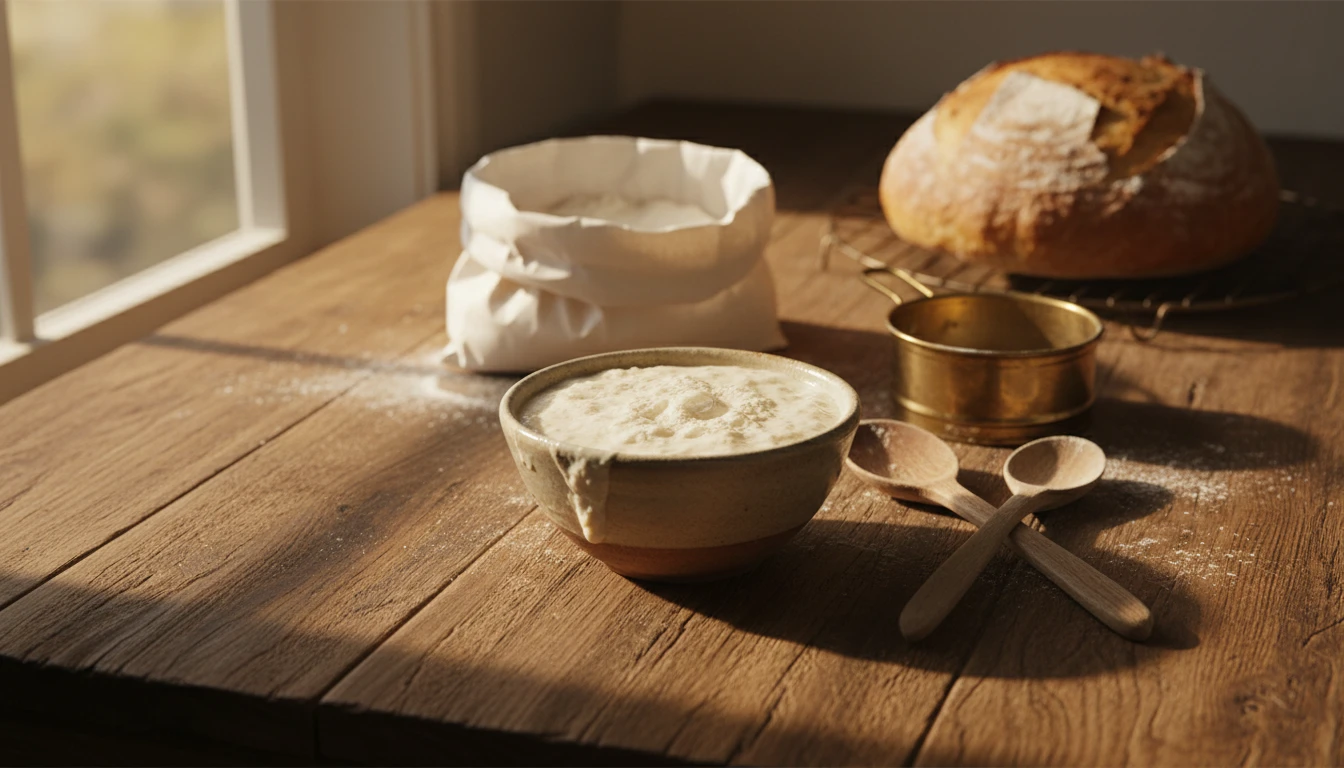
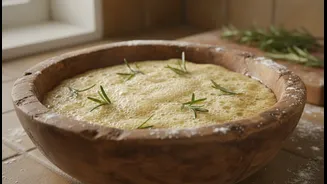
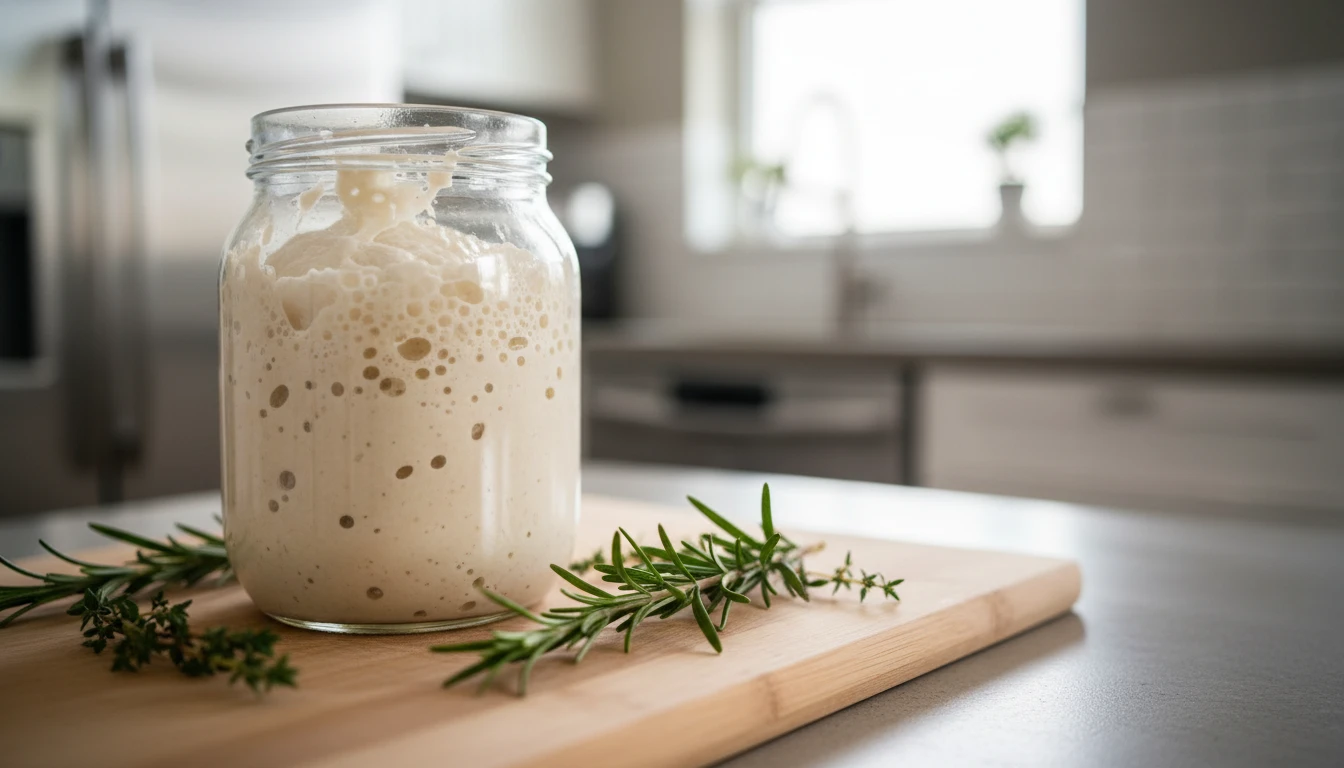
For anyone who maintains a sourdough starter, the process is a familiar ritual: remove a portion before each feeding to keep the yeast culture healthy and manageable. This unfed portion is known as 'discard'. For years, it was simply thrown away, a seemingly
unavoidable waste product. However, a major shift in mindset, driven by the zero-waste cooking trend, has reframed this discard not as rubbish, but as a resource. Zero-waste cooking encourages using every part of an ingredient to minimise what ends up in landfills. Sourdough discard, with its tangy, complex flavour from fermentation, fits perfectly into this philosophy. It's an opportunity to add a 'secret ingredient' flavour, similar to buttermilk or crème fraîche, to a wide variety of dishes.
Understanding Your Discard
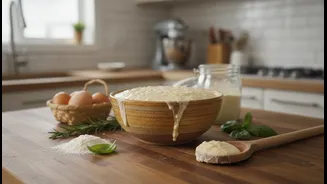
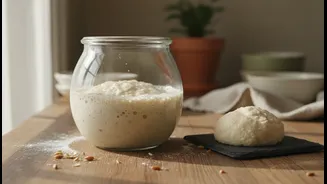
Before you start cooking, it helps to know what you're working with. Sourdough discard is an inactive starter, meaning it doesn't have the leavening power to make a loaf of bread rise on its own. Its main contribution is flavour and moisture. The taste can range from mildly tangy to deeply sour, depending on how long it has been stored. You can collect discard in a dedicated jar in the refrigerator for up to a week, adding to it after each feeding. As long as it smells pleasantly sour and shows no signs of mould, it's ready to be transformed into something incredible. This accumulated discard is perfect for recipes that rely on other leavening agents like baking powder or soda.
Savory Snacks and Crackers
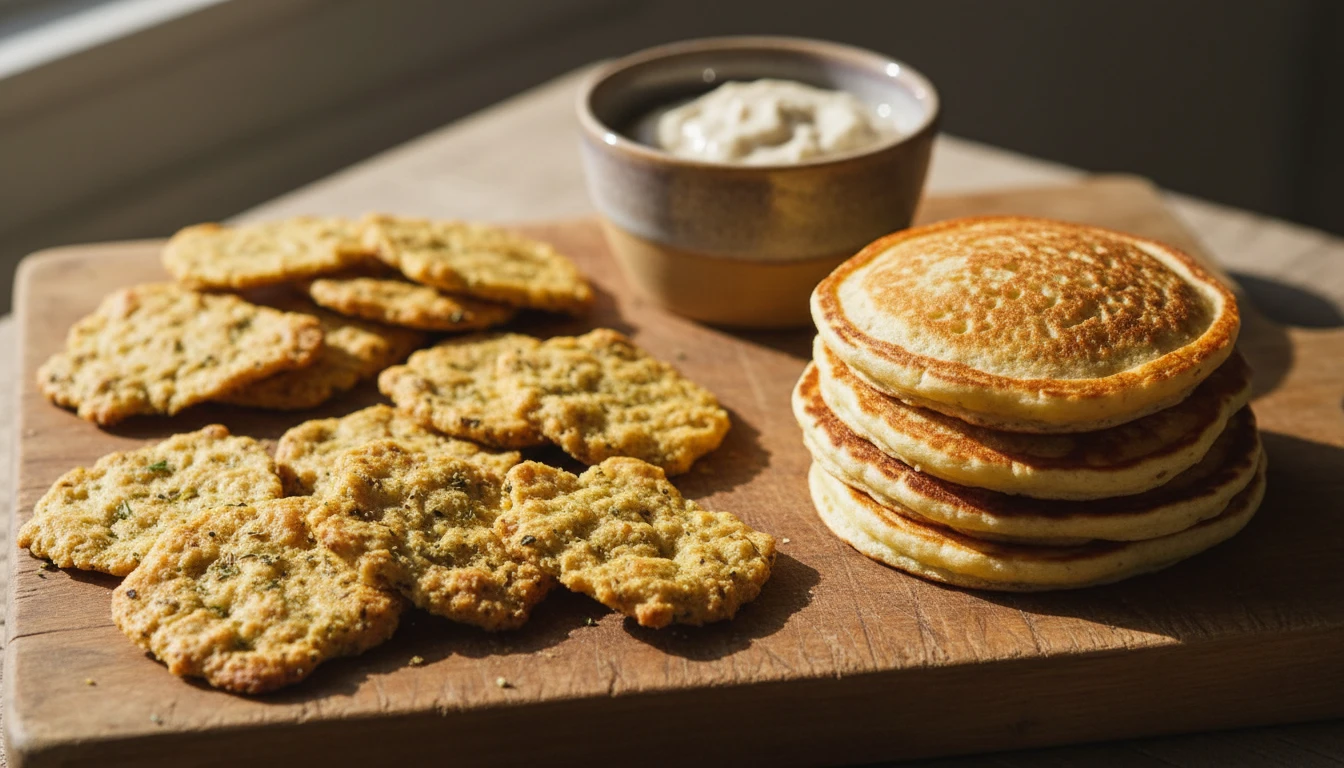
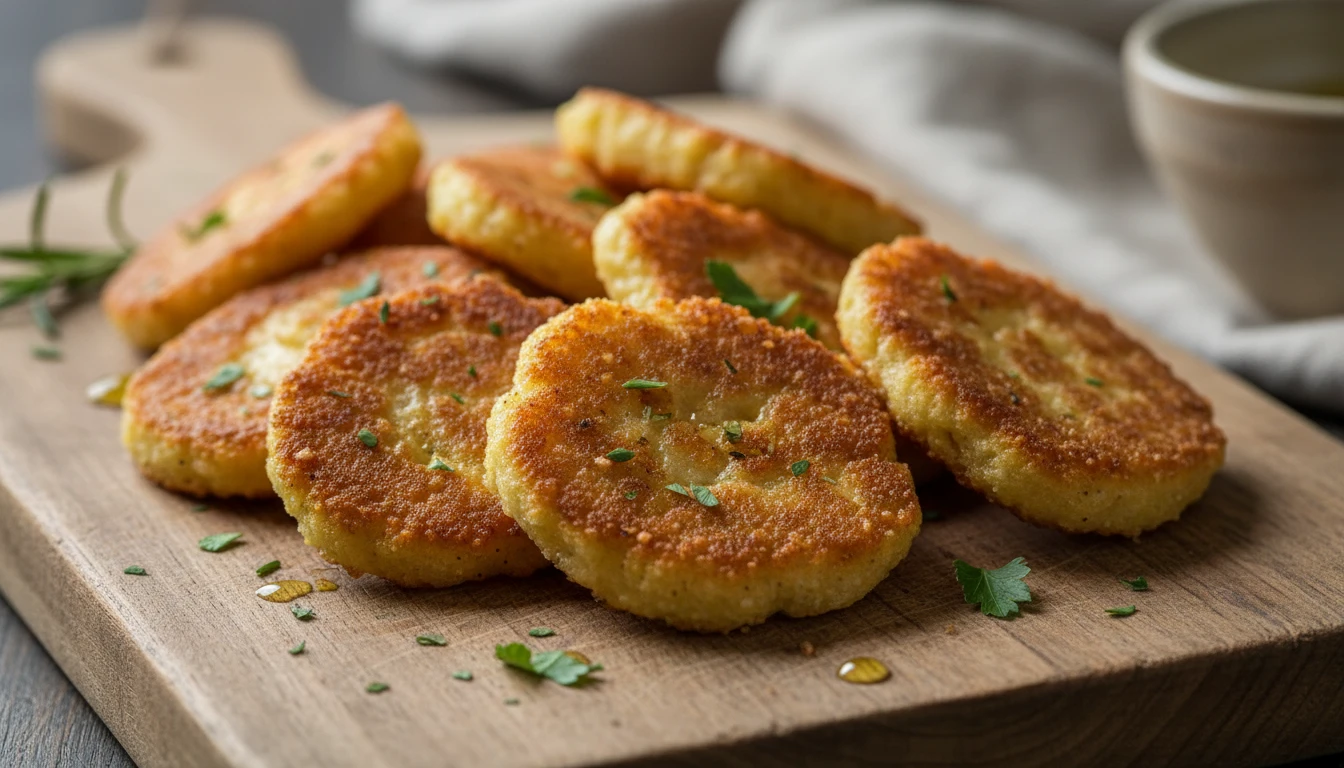
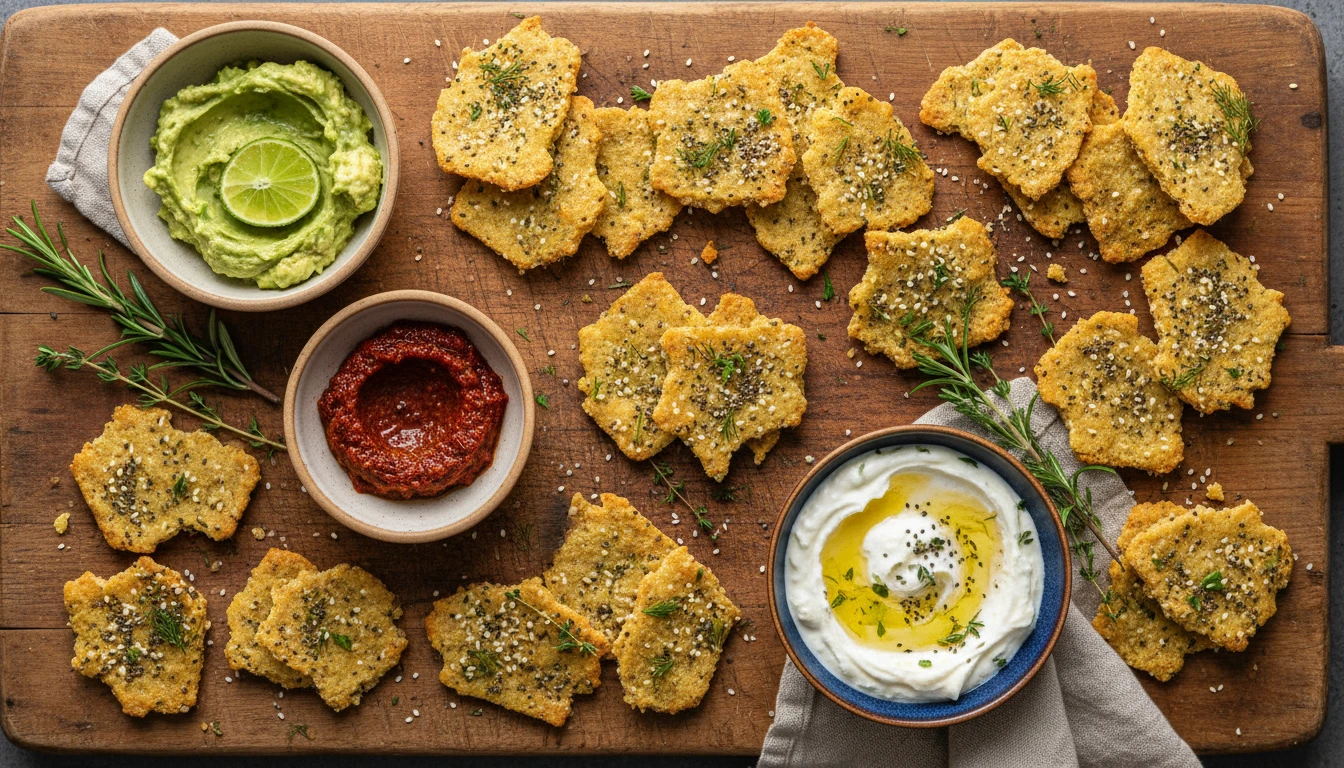
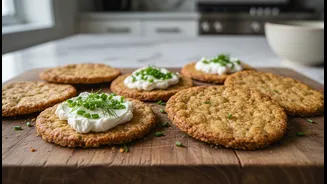
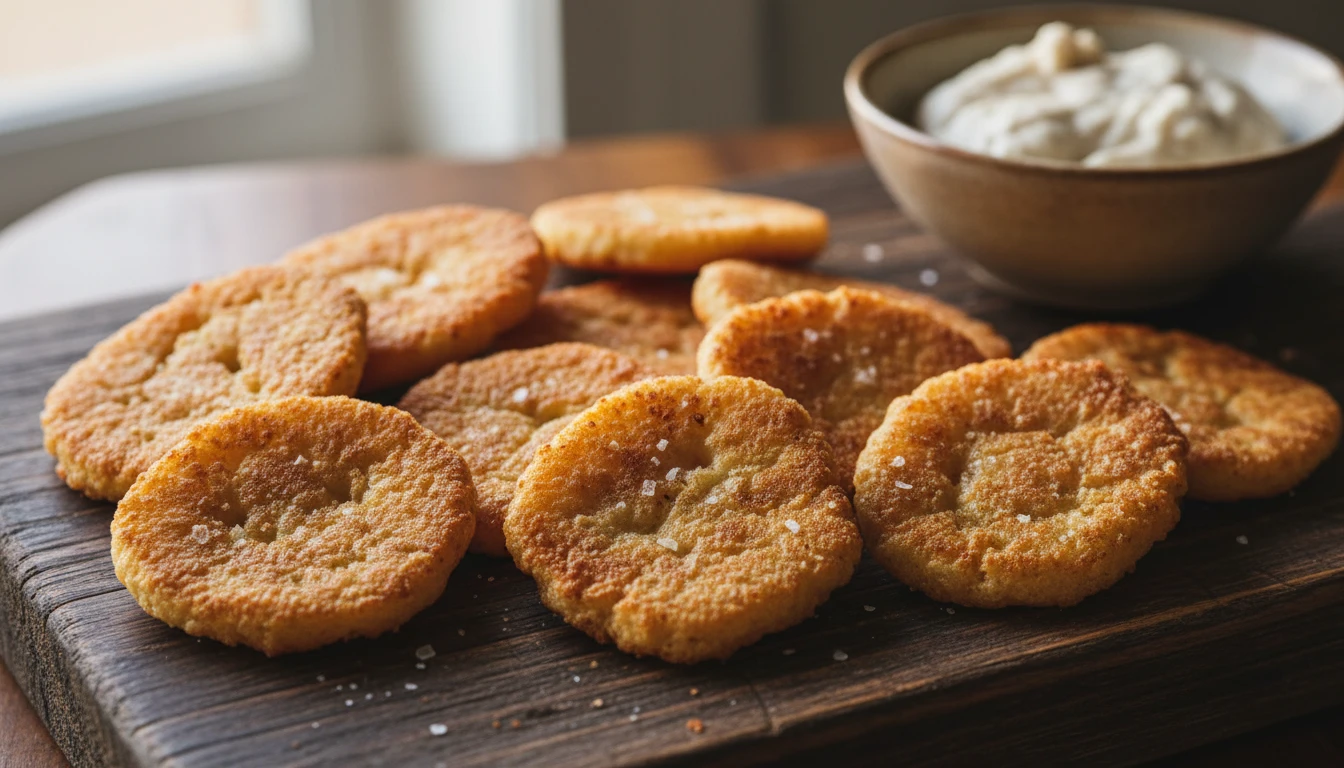
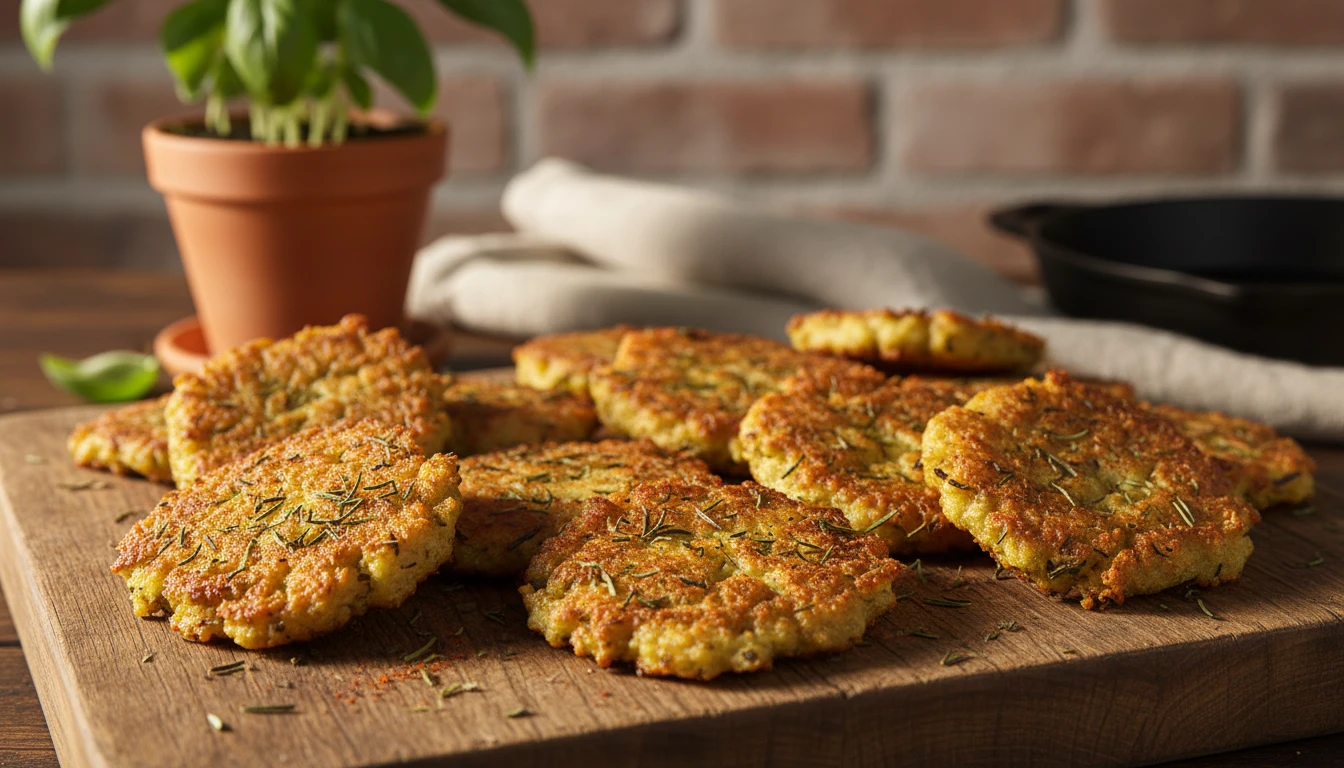
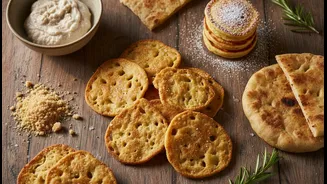
One of the most popular and rewarding uses for sourdough discard is making crackers. The process is incredibly simple, often requiring just the discard, a little fat like butter or oil, and salt. The batter is spread thinly on a baking sheet and baked until crisp. These crackers are endlessly customisable with herbs, spices, or seeds. Beyond crackers, the discard can form the base for a flavourful pizza crust, lending it a subtle chew and tang that elevates your homemade pizza night. Some creative cooks even use it to make savoury pancakes, biscuits, and onion rings, proving its versatility in the savoury realm.
Fluffy Pancakes and Waffles
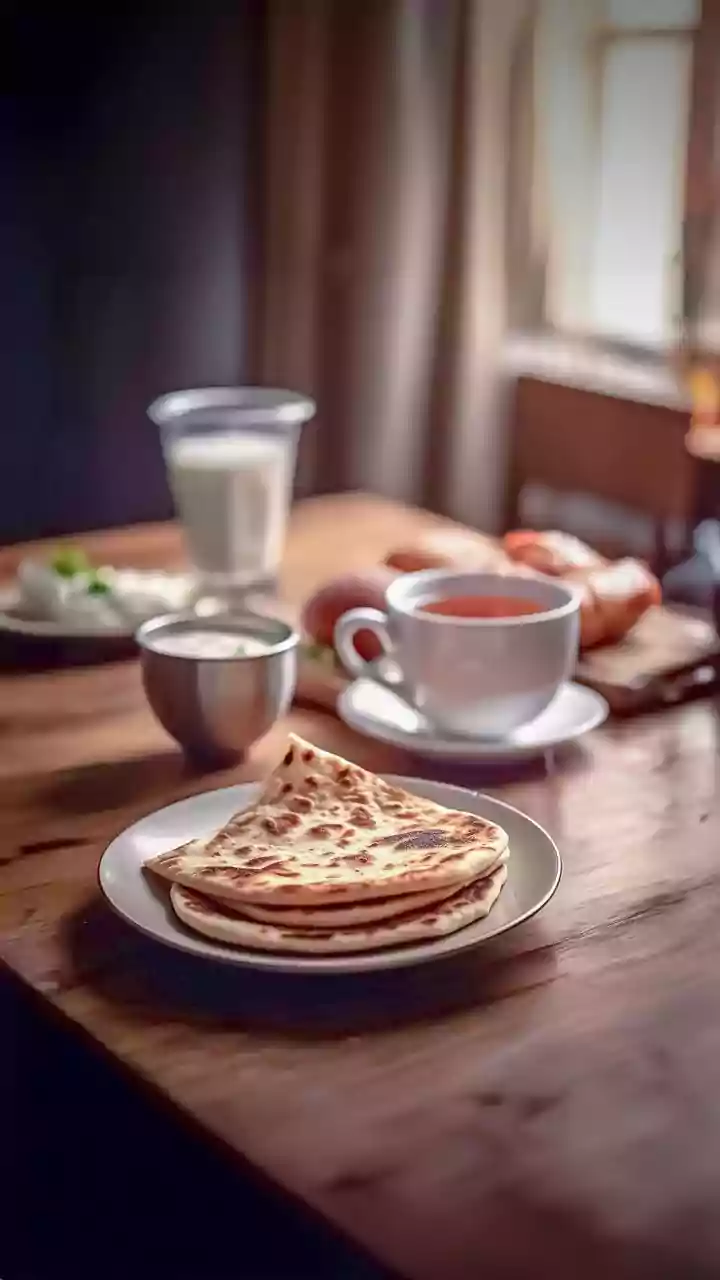
Perhaps the most beloved application for sourdough discard is in breakfast staples like pancakes and waffles. Adding discard to the batter gives these classics a remarkable depth of flavour and an incredibly tender, fluffy texture. The natural acidity in the discard reacts with baking soda to create a wonderful lift, resulting in pancakes that are light and airy. You don't need to let the batter ferment overnight; a quick mix in the morning is all it takes to transform your weekend breakfast into something truly special. The subtle tang is a perfect counterpart to sweet maple syrup and fresh fruit.
Creative Sweets and Bakes
The creative uses for discard don't stop at breakfast. Its ability to add moisture and a slight tang makes it a fantastic addition to a wide range of sweet baked goods. Home bakers are incorporating it into everything from brownies and chocolate chip cookies to banana bread and rich chocolate cakes. In these recipes, the discard replaces a portion of the flour and liquid, adding a complex flavour profile that enhances the other ingredients. Think of it as a background note that makes the whole dessert more interesting. It can be used to make blueberry muffins, pie crusts, and even scones.