




The High Cost of Visibility
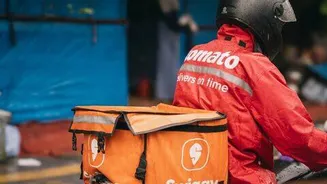
For years, listing on major food delivery platforms was seen as a necessary cost of doing business in the digital age. These apps offered unparalleled reach, connecting restaurants with millions of customers they couldn't access on their own. However,
that visibility comes at a steep price. Restaurants report that platforms charge commission fees ranging from 15% to as high as 30% on each order. When factoring in additional costs like payment gateway fees, advertising, and mandatory discounts, the total deduction can soar to over 40% of the order value. This leaves restaurants with razor-thin margins, especially after covering the costs of food, rent, and staff, making many delivery orders a break-even or even loss-making venture.
A Renewed Push for Independence
In response to these financial pressures, restaurants are increasingly championing direct ordering. The core idea is simple: by encouraging customers to order through a restaurant's own website, app, or even via WhatsApp, establishments can bypass aggregator commissions entirely. This isn't just about saving money; it's about regaining control. When a customer orders directly, the restaurant owns the relationship and the data. They can build loyalty programs, understand ordering patterns, and market directly to their patrons without a third-party intermediary controlling the interaction. Recent actions, like the threat from Bengaluru restaurants to boycott major apps, underscore the growing frustration and the collective desire for a more sustainable model.
The Platform's Perspective
From the aggregators' point of view, their fees are justified. These platforms operate a complex, multi-sided marketplace that requires significant investment in technology, logistics, marketing, and customer support. They argue that they provide immense value by handling everything from customer acquisition to the logistics of last-mile delivery, services that would be prohibitively expensive for most individual restaurants to build and maintain themselves. The platforms essentially function as a marketing and delivery arm, and their commission and service fees are payment for these extensive services. Regulators, including the Competition Commission of India (CCI), have so far found that these charges are not an abuse of a dominant position, viewing them as legitimate payments for distinct services rendered.
What This Means for Diners
This industry tug-of-war has a direct impact on customers. Many diners have noticed that menu prices on delivery apps are often higher than dining in at the same restaurant. This inflation is often a direct result of restaurants trying to offset the high commissions they have to pay. While direct ordering can lead to more transparent and potentially lower prices, it comes at the cost of convenience. Customers lose the ability to compare multiple restaurants in a single app and must instead navigate to individual websites or channels for each order. The current debate is forcing consumers to become more aware of the economics behind their food delivery and to consider whether they prioritise the convenience of an aggregator or directly supporting a local business.