

A Smoother Morning Commute
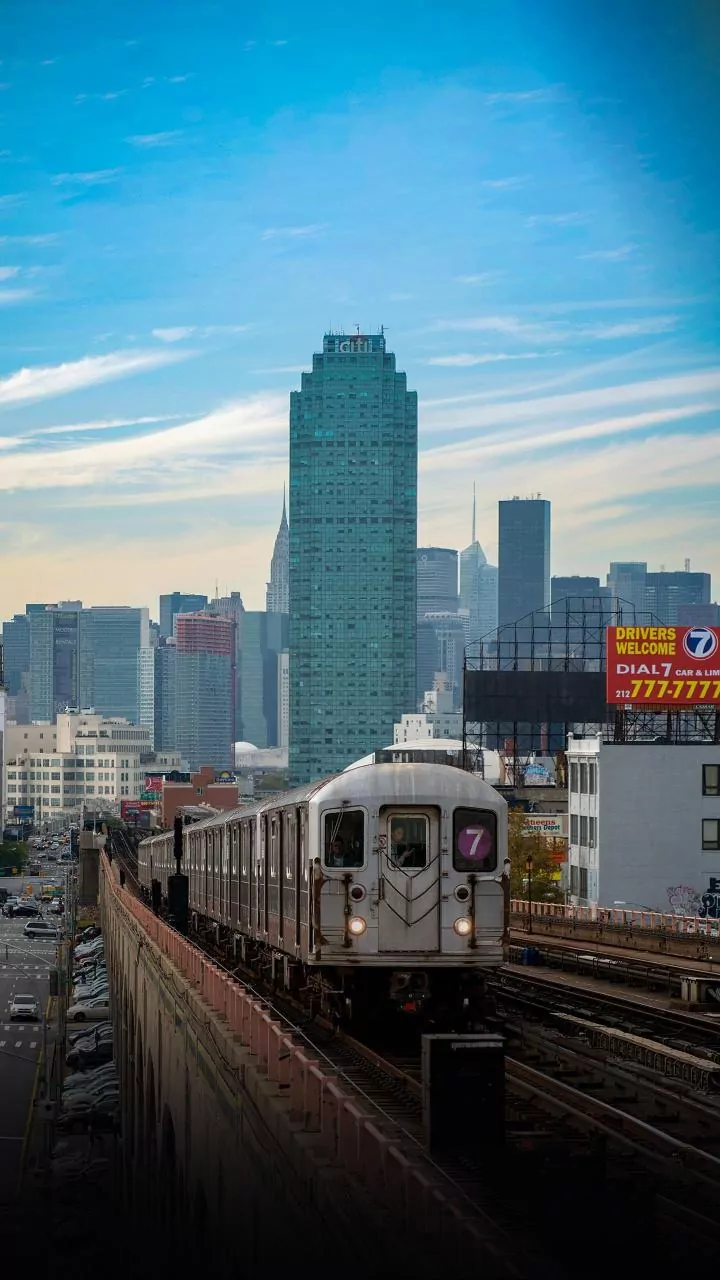
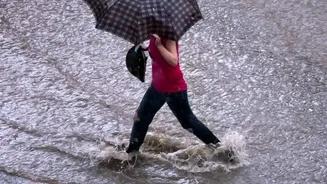
For millions of urban commuters, the end of the monsoon signals a welcome relief from traffic chaos. The daily battle with waterlogged roads, hidden potholes, and gridlock caused by heavy rains will ease. With drier streets, two-wheelers, a popular mode
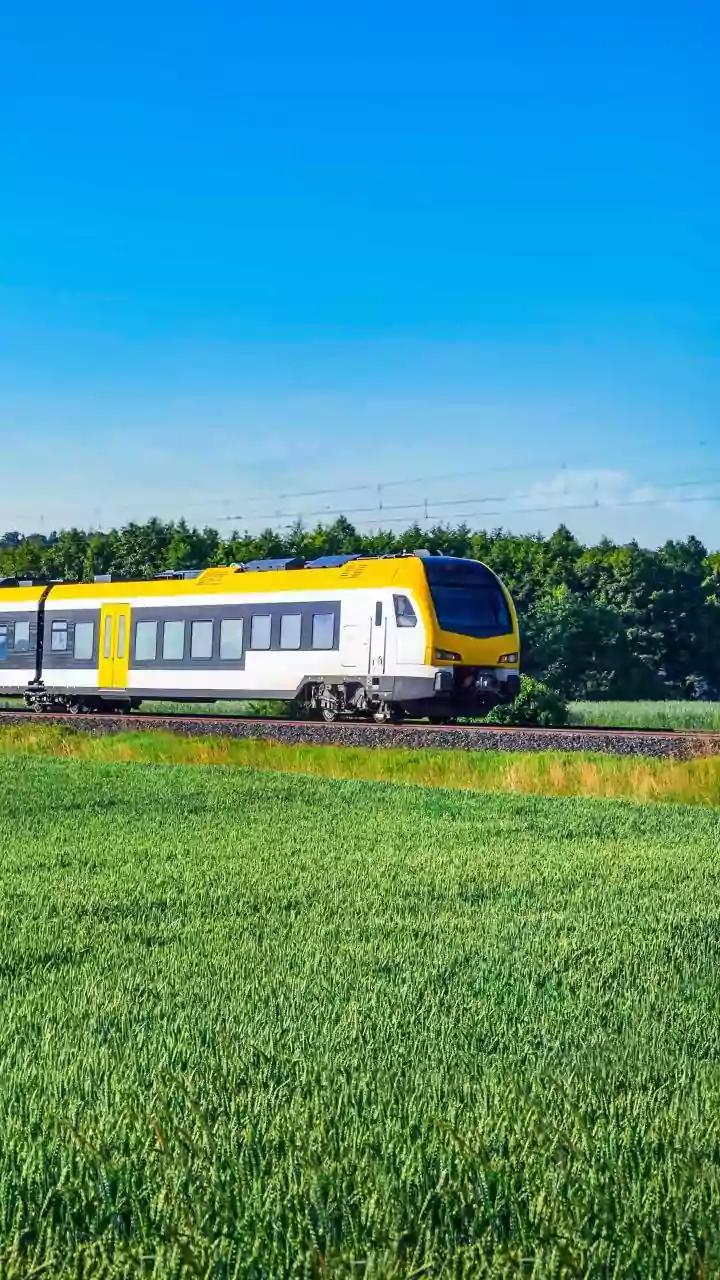
of transport, become a safer and more viable option again. While the withdrawal process is gradual and can still bring sporadic showers, the shift away from persistent, heavy rainfall means fewer transport disruptions, less time stuck in traffic, and a generally less stressful journey to and from work. Cities that saw public transport systems overwhelmed by track flooding and route diversions can expect services to return to a more predictable schedule.
The Return of Outdoor Laundry Days
One of the most relatable domestic struggles during the monsoon is the endless cycle of damp clothes. High humidity makes air-drying indoors a slow, often musty-smelling process. The withdrawal brings lower humidity and more sunshine, finally allowing for the triumphant return of outdoor laundry. Clothes will dry faster, feel fresher, and households can finally catch up on washing without draping every available surface with damp garments. This simple change reduces reliance on energy-consuming fans or dryers, bringing a small but welcome sense of domestic order.
A Shift in Health Concerns
While the monsoon brings relief from summer heat, it also creates breeding grounds for mosquitoes and contaminates water sources, leading to a spike in specific illnesses. Dengue, malaria, and chikungunya cases often rise as stagnant water collects. Water-borne diseases like typhoid, cholera, and other gastrointestinal infections also become more common. As the rains recede and stagnant pools dry up, the threat from mosquito-borne diseases begins to diminish. However, the post-monsoon season can see a rise in different health issues, including respiratory infections like the common cold and flu, as temperatures fluctuate.
Your Electricity Bill Might Fluctuate
The monsoon's impact on your electricity bill is a double-edged sword. During the rains, increased moisture in reservoirs boosts hydropower generation, a clean and cost-effective energy source. This can help stabilize the grid. However, as the monsoon withdraws, reservoir levels drop, reducing hydro output. Simultaneously, the return of hotter, more humid days before winter sets in often leads to increased demand for air conditioning. This combination of lower hydro generation and higher cooling demand can put pressure on thermal power plants, which rely on coal and can lead to fluctuations in energy costs.
Good News for Farmers and Food Supply
The southwest monsoon is the lifeblood of Indian agriculture, with about half of the country's farmland dependent on it for irrigation. A timely and adequate monsoon is crucial for the Kharif (summer) crops. The withdrawal of the monsoon is just as critical, as it signals the time for farmers to begin sowing Rabi (winter) crops like wheat, mustard, and gram. A well-timed withdrawal provides the necessary soil moisture for these crops to germinate. While an erratic or delayed withdrawal can disrupt this cycle, a normal retreat sets the stage for a healthy winter harvest, which is vital for India's food security and stabilising food prices.
Preparing for the Festive Season
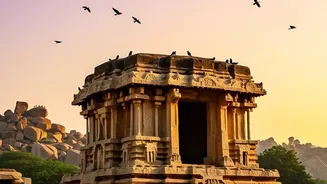
The withdrawal of the monsoon coincides with the beginning of India's major festive season, including Navratri, Durga Puja, and Diwali. Drier weather is essential for the preparations that define this time of year. Artisans need dry conditions to craft idols and decorations, markets bustle with shoppers, and families can carry out the annual tradition of cleaning and painting their homes without fear of a sudden downpour. The clear, post-monsoon skies are perfect for the open-air festivities, cultural performances, and fireworks that light up the country.