





Whole Fruit: Nature's Perfect Package
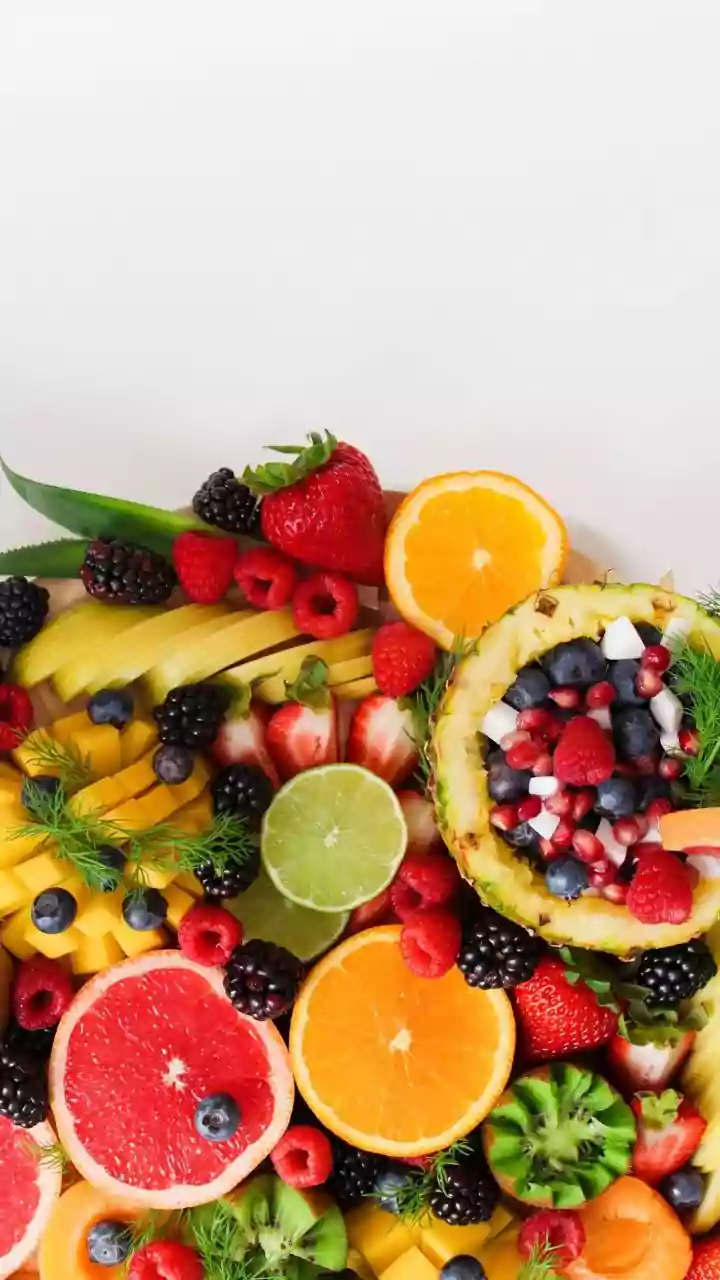
Eating a piece of fruit in its natural, unprocessed form is widely considered the gold standard for nutrition. When you bite into a whole apple or a handful of berries, you get the complete package. This includes water, vitamins, minerals, and most importantly,
dietary fibre. The fibre, found in the pulp and skin, plays a crucial role in your health. It aids digestion, promotes a healthy gut, and helps you feel full for longer, which can prevent overeating. Furthermore, this fibre binds to the fruit's natural sugars, slowing down their absorption into the bloodstream. This prevents the sharp spikes and subsequent crashes in blood sugar levels that can affect energy and mood. Consuming whole fruits ensures you receive 100% of their fibre and vitamins, offering the best nutritional value.
Juicing: A Concentrated Conundrum
Juicing extracts the liquid from fruits and vegetables, leaving behind the solid components like pulp and skin. While this creates a beverage packed with some vitamins and minerals, it removes almost all of the dietary fibre. Without fibre, the natural sugars (fructose) in the fruit are absorbed very quickly by the body, leading to a rapid spike in blood sugar, much like consuming other sugary drinks. This can be a problem, especially for individuals managing their blood sugar levels. It’s also easy to consume more fruit in juice form than you would ever eat in one sitting; a single glass of orange juice can contain several oranges, meaning a concentrated dose of sugar and calories without the feeling of fullness that whole fruit provides. While small amounts of fresh juice can be part of a balanced diet, it should not be seen as a substitute for whole fruit.
Smoothies: The Blended Middle Ground
Smoothies occupy a space between whole fruits and juices. Because the entire fruit or vegetable is blended, smoothies retain the all-important fibre that is lost during juicing. This makes them more filling than juice and leads to a slower, more controlled release of sugar into the bloodstream. Smoothies offer a convenient way to increase your intake of fruits and vegetables, and you can enhance their nutritional profile by adding other healthy ingredients. Things like spinach, yoghurt, nuts, or seeds can add protein, healthy fats, and even more fibre, turning your drink into a more balanced and satisfying snack or meal replacement. However, it's important to be mindful of what goes into your smoothie. Store-bought versions can be high in added sugars, syrups, and calories, sometimes resembling a dessert more than a health drink. Even homemade smoothies can become calorie-dense if you use too much sweet fruit, juice as a base, or add sweeteners like honey.
The Final Verdict: A Clear Winner?
When comparing the three, eating whole fruit is the undisputed healthiest option. It provides a complete nutritional profile with intact fibre, which is vital for digestion, satiety, and blood sugar regulation. Smoothies come in as a strong second choice, especially when made at home with a good balance of vegetables, a little fruit, and sources of protein or healthy fat. They retain the fibre and can be a fantastic tool for packing more nutrients into a busy day. Fruit juice ranks last due to the lack of fibre and concentration of 'free sugars', which behave similarly to added sugar in the body. While not inherently 'bad' in moderation, juices are less filling and can contribute to unhealthy blood sugar spikes. Studies have even associated higher juice consumption with poorer health outcomes compared to those who eat whole fruit or drink smoothies. Ultimately, the best choice depends on your goals, but prioritising whole foods is always a winning strategy.