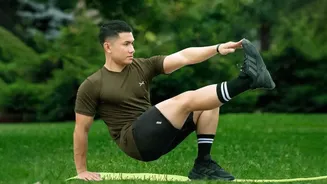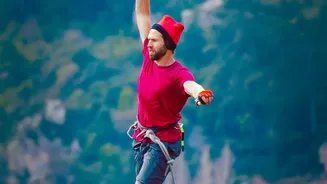

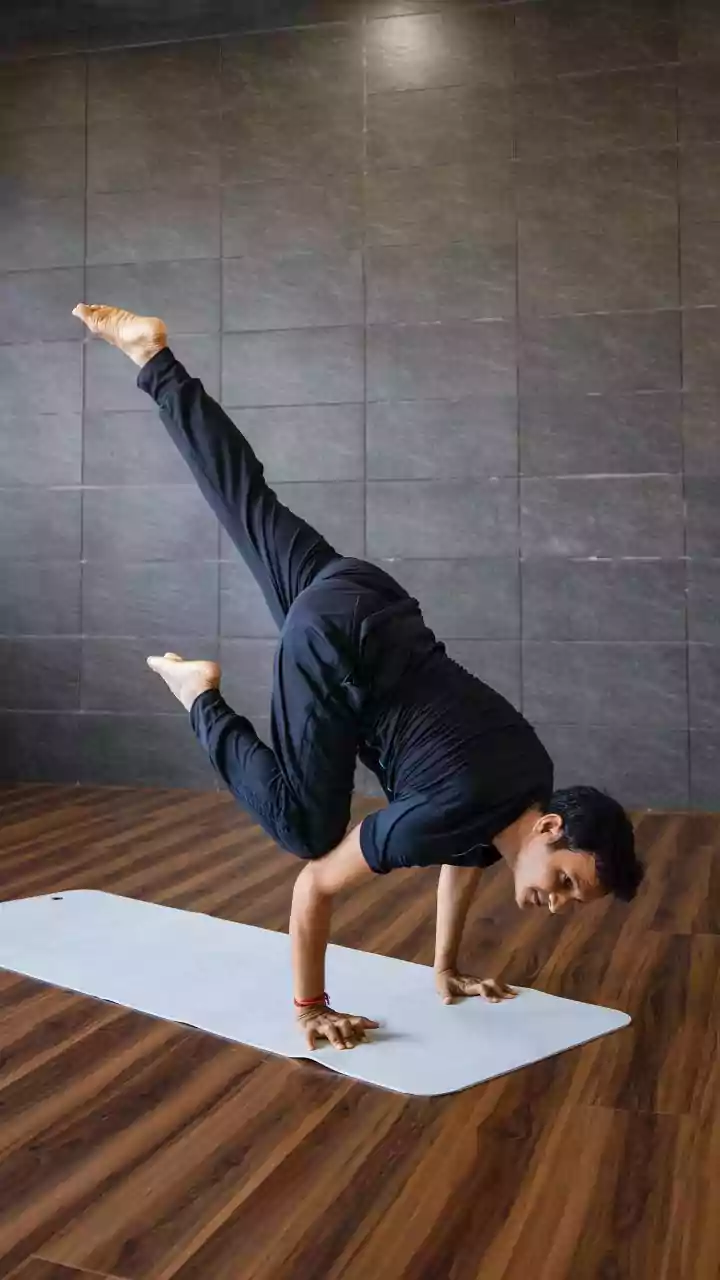




One happens on a forest trail, the other on city concrete. Hiking and skateboarding seem worlds apart, yet both demand an expert sense of balance. But how does the body's strategy for staying upright differ between these two activities?
The Three Pillars of Balance
Before comparing,
it’s essential to understand how we stay upright. Balance isn’t one single skill but a complex interplay of three systems. First is your visual system, which scans the environment for information. Second is the vestibular system, located in your inner ear, which senses motion, orientation, and gravity. This system is what tells your brain if you're moving, spinning, or on an incline. Third, and perhaps most crucial for this discussion, is proprioception—your body's awareness of its position in space. Sensory receptors in your muscles, joints, and tendons constantly send feedback to your brain about your body's movements and the surface you're on. All three systems work together to keep your center of gravity stable.
Hiking: Reactive Balance on Unpredictable Ground
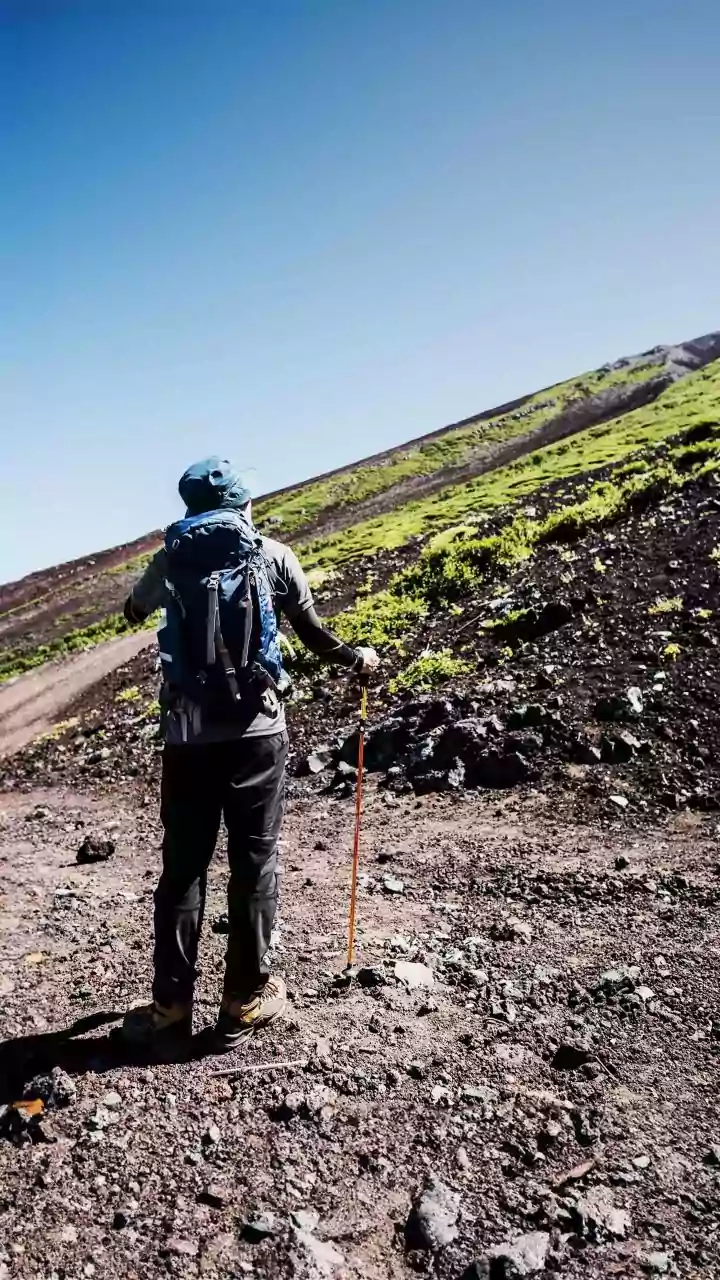
When you're hiking, the ground is your biggest adversary and partner. Every step can introduce a new variable: a loose rock, a slippery root, a sudden dip. This is where proprioception becomes a hiker’s best friend. Your feet and ankles act as advanced scouts, detecting tiny changes in the surface and sending rapid alerts to the brain. The body's response is largely reactive; it makes constant, small adjustments to prevent a fall. To navigate this technical terrain, hikers instinctively slow down, take shorter steps, and widen their stance for stability. Bending the knees slightly helps absorb shock and keeps the body from becoming too rigid. Footwear also plays a key role. Hiking boots are designed to provide ankle support, which helps stabilise the joint when stepping on uneven ground. The goal isn't fluid motion, but a series of controlled, deliberate placements to conquer an unpredictable environment.
Skateboarding: Predictive Balance on a Moving Platform
Skateboarding presents an entirely different challenge: balancing on a consistently unstable surface. Instead of reacting to fixed obstacles, a skater must control and flow with a moving board. Here, the core muscles—abs, obliques, and lower back—are king. They are vital for maintaining stability on a board that can tilt at any moment. Skaters maintain a low center of gravity by bending their knees and keeping their feet wide apart, which is fundamental to good skateboarding. This stance makes it much harder to be thrown off balance. Unlike the reactive ankle adjustments in hiking, skateboarding requires more fluid, predictive movements. The ankles must be flexible to steer and absorb vibrations, but the primary adjustments come from shifting weight and engaging the core to control the board's direction and momentum. It’s less about reacting to the ground and more about becoming one with the board.
Ankles and Core: A Tale of Two Strategies
The roles of the ankles and core highlight the core differences. In hiking, your ankles are constantly working, flexing and stabilising with each step on varied terrain. Good proprioceptive feedback from the ankles is crucial to avoid a sprain. In skateboarding, while ankles are certainly active, they are subjected to repetitive, forceful motions from jumps and tricks, which can lead to different types of strain and injury. The core, however, takes on a more central balancing role in skateboarding than in hiking. Every turn, push, and trick originates from the core, which acts as the steady anchor point for the rest of the body. A study comparing skateboarding biomechanics to walking found that it involves significantly more trunk and hip flexion to maintain balance, placing a greater demand on core muscles and the supporting leg.