







The 10-Minute Normal
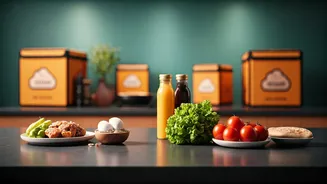
Not long ago, getting groceries delivered the same day was a novelty. Today, for millions in India's cities, waiting more than 10-30 minutes feels like a delay. [17] This is the new reality shaped by quick commerce (or q-commerce) platforms like Zomato’s
Blinkit, Swiggy Instamart, and Zepto. Initially focused on delivering daily essentials like milk and bread, these services have rapidly become the go-to solution for a much wider array of needs. [7] The market has grown explosively, from a small base just a few years ago to being valued at over USD 3 billion in fiscal year 2024. [2] This growth is fueled by a perfect storm of rising smartphone penetration, affordable data, and a young, urban consumer base that values convenience above all. [3, 19]
From Groceries to Gadgets
The initial promise of quick commerce was simple: get your groceries fast. But the ambition has expanded dramatically. Customers are no longer just ordering fruits and vegetables; they are buying electronics, beauty products, wellness items, and even festival supplies. [4, 23] This shift is intentional. To increase the average order value (AOV), platforms are aggressively diversifying into higher-margin categories. [8] Blinkit has been noted for pushing into electronics and toys, while Flipkart Minutes is leveraging its parent company's expertise to offer mobiles and other gadgets. [11, 18] This expansion means that quick commerce is not just a replacement for the local kirana store, but is also competing with larger e-commerce players and specialty retail.
The Death of the Shopping List?
The most profound impact of quick commerce is on consumer behaviour. The ability to get almost anything within minutes eliminates the need for extensive planning. [17] It fosters a new kind of spontaneity; instead of stocking up for the week, consumers are making smaller, more frequent purchases. [17] This has led to a surge in impulse buying, as the friction between wanting something and having it is almost entirely removed. [21] Studies show that convenience and pricing are the most significant factors driving this shift. [17] The 10-minute delivery promise, once a key differentiator, is now a standard expectation. [19] This change is fundamentally rewriting the psychology of shopping from a planned activity to an on-demand service. [18]
The Engine Room: Dark Stores
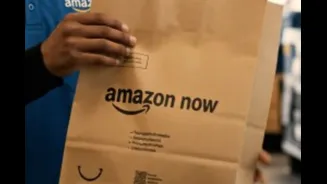
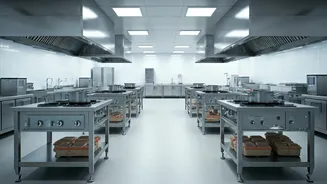
The magic of 10-minute delivery is made possible by a network of 'dark stores'—small, strategically located warehouses that are not open to the public. [9] These micro-fulfilment centres are the backbone of the entire operation, allowing platforms to hold inventory close to customers. [6] Leading players operate hundreds, and in some cases thousands, of these stores, with Blinkit leading the pack. [20] The competition has intensified so much that major e-commerce players like Amazon and Flipkart are now aggressively expanding their own dark store networks to compete. [4, 11] The density and efficiency of this network are critical, as it directly impacts delivery speed and operational cost. [23]
The Price of Instant
While immensely popular, the quick commerce model has faced questions about its long-term financial sustainability. [15] For years, the focus was on aggressive growth and customer acquisition, often funded by billions in venture capital. This led to a 'cash burn' model where profitability was a distant concern. [18] However, the industry is now entering a new phase. With discounting scaled back, companies are focusing on improving unit economics through advertising, delivery fees, and private-label products to improve margins. [3, 6] Some players, like Blinkit, have begun reporting operational profits, signalling that a path to sustainability at scale may be possible. [8]