




The Classic Dutch Halo Braid
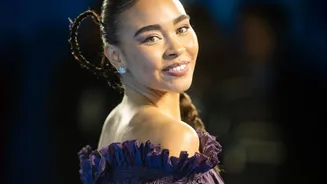
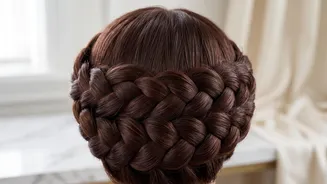
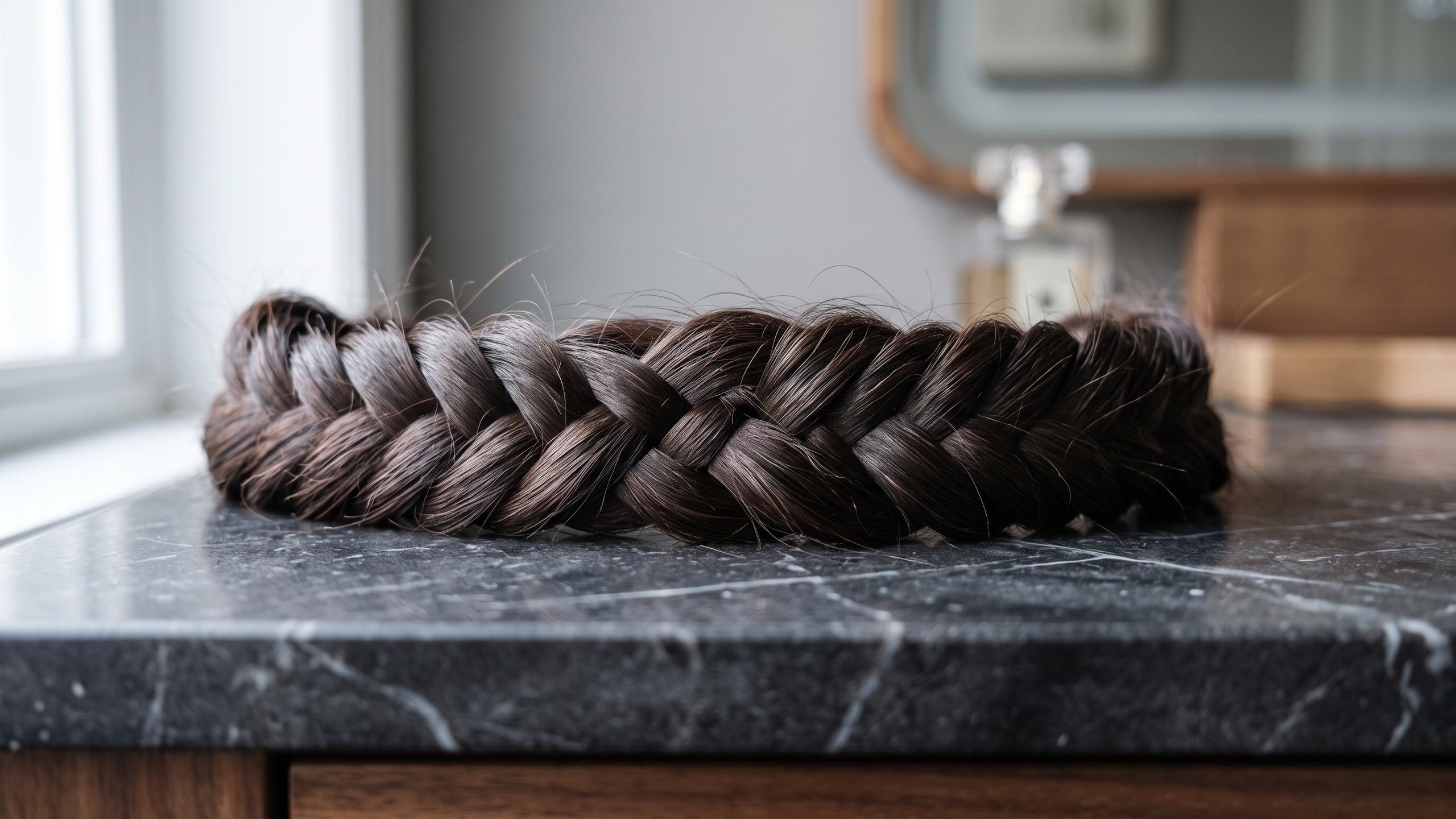
The quintessential halo braid uses a Dutch braiding technique—crossing strands under instead of over—to create a raised, defined crown that sits beautifully on top of the hair. This method makes the braid pop, giving it a three-dimensional effect that is both
striking and elegant. To start, part your hair and begin a Dutch braid on one side, working your way around the hairline. For straight hair, adding a texturizing spray before you begin will provide grip and volume. If you have wavy hair, this style beautifully follows your natural texture. For curly or coily hair, braiding on moisturized, stretched hair will help create a smooth, defined braid. Once the braid is complete, tuck the end under the braided crown and secure it with pins for a seamless finish.
The Boho-Chic Messy Halo
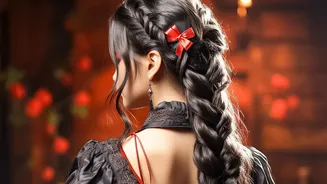
For a softer, more romantic feel, the deconstructed or 'messy' halo is the perfect choice. This style swaps precision for texture, creating a relaxed, bohemian vibe. The key is to gently pull apart the sections of your braid after it's secured, a technique known as 'pancaking'. This adds volume and an effortless feel. Leaving a few face-framing tendrils loose will enhance the romantic look. This style is particularly forgiving and works well on second-day hair, which has more natural grip. Wavy and curly textures are ideal for a boho halo as they provide built-in volume. For straight hair, a little back-combing at the roots and a spritz of dry shampoo can create the necessary texture for that perfectly undone look.
The Intricate Double Halo Braid
Why have one crown when you can have two? The double halo braid creates a more intricate, layered look by stacking two braids around the head. This is an excellent option for those with fine or shorter hair, as it creates the illusion of more volume and length. The most common method involves creating two separate pigtail braids and then wrapping each one over the top of your head in opposite directions, pinning them in place. Another approach is to create two separate halo braids, one nestled inside the other, for a truly regal effect. This style provides extra security and longevity, making it a great choice for long events.
The Delicate Fishtail Halo
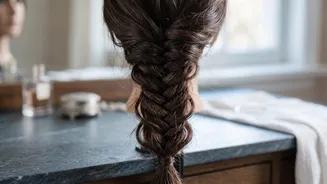
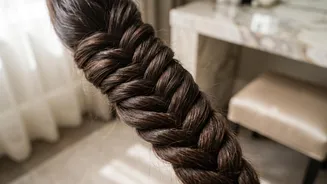
If you're looking for a style with a more detailed, intricate pattern, the fishtail halo braid is a stunning alternative. Instead of a traditional three-strand braid, this version uses a two-strand weaving technique that results in a delicate, herringbone-like pattern. While it can be more time-consuming, the result is an eye-catching look that feels both modern and timeless. For a simpler approach, you can create two fishtail braids on either side of your head and then pin them up and across to form the halo. This technique is especially beautiful on hair with highlights or balayage, as the fishtail pattern showcases the different tones in your hair.
The Effortless Twisted Halo
For those who find braiding complex or are short on time, the twisted halo offers a chic and simple alternative. This style uses two-strand rope twists instead of a classic braid. To create it, you simply divide a section of hair into two, twist each piece in the same direction, and then wrap them around each other in the opposite direction. Create two of these rope twists, one on each side of your head, and then pin them up to form a crown. This method is exceptionally well-suited for textured hair as a protective style, but it also creates a sleek, minimalist look on straight and wavy hair. It’s a fast, elegant updo that proves you don’t need to be a braiding expert to wear a beautiful crown.