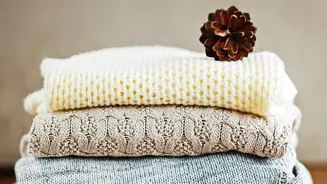

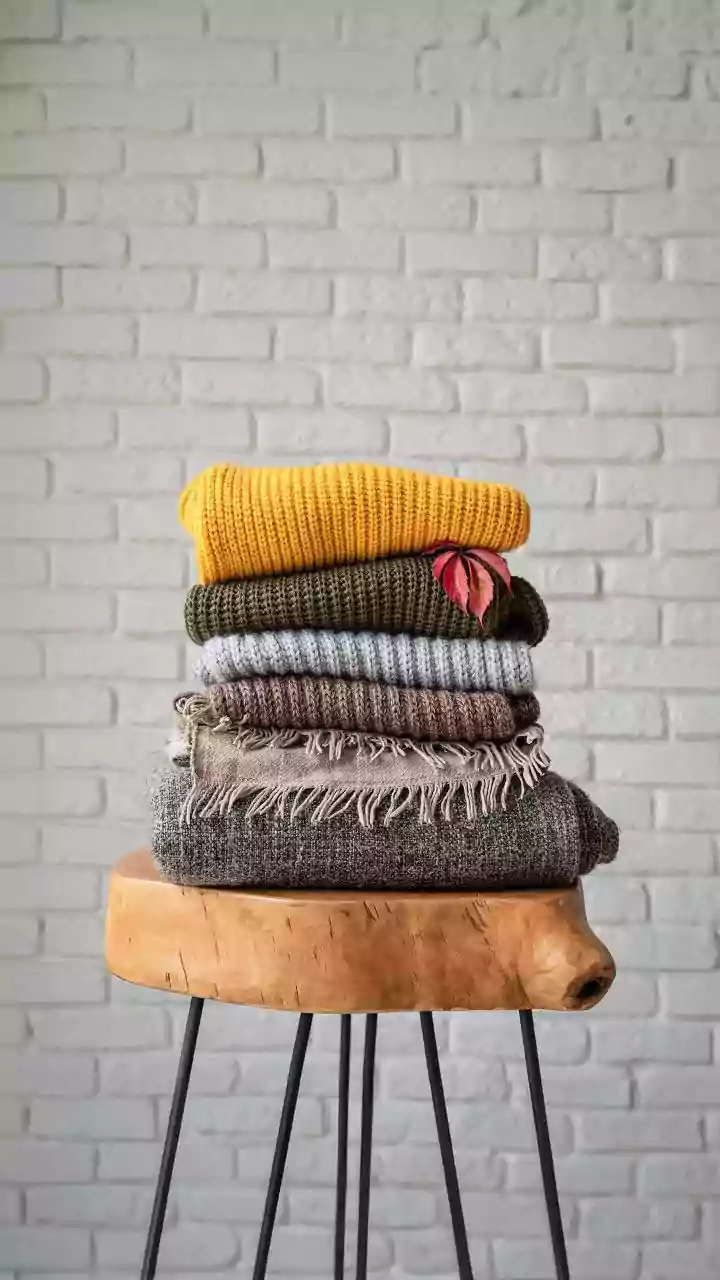



The cosy embrace of a woollen sweater is a winter staple, but it often comes with an annoying itch. This discomfort isn't usually an allergy, but a simple mechanical issue you can fix with the right care, turning scratchy garments into soft favourites.
The Science of the Scratch
The irritating sensation from wool is rarely a true allergy to the fibre itself. More often, it’s a reaction to the physical structure of the wool. The itchiness is caused by the coarse, thick ends of wool fibres poking against your skin, triggering nerve endings. Wool fibres are covered in tiny, overlapping scales; when these fibres are coarse, they don't bend easily and instead prickle the skin. The 'prickle factor' depends on the fibre's diameter—anything over about 30 microns is stiff enough to cause irritation. This is why some wools feel much softer than others. Fine-gauge wools like Merino have thinner, more flexible fibres that bend on contact with skin, feeling soft and smooth. In contrast, more robust wools, like Shetland, have thicker fibres, making them better for outerwear but itchier against bare skin.
The Gentle Art of Washing
Proper washing is the first step to softer wool. Harsh detergents and aggressive washing can strip wool of its natural oils, primarily lanolin, leaving the fibres dry, brittle, and rough. Always use a pH-neutral, wool-specific detergent. Hand washing in cool or lukewarm water (never hot) is the safest method. Submerge the garment, gently squeeze the soapy water through it, and let it soak for about 30 minutes. Avoid rubbing or wringing the fabric, as this can cause felting and damage the fibres. If using a machine, select the dedicated wool or delicate cycle with cold water and a low spin speed. Less washing is also better; wool's natural properties mean it resists odours, so airing it out is often enough to freshen it up.
Softening Secrets for Ultimate Comfort
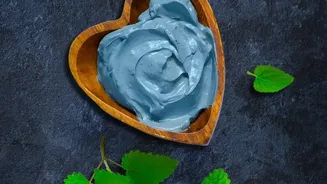
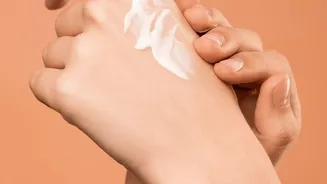
If your woollens are still not soft enough, a conditioning treatment can make a world of difference. Since wool is a hair-like fibre, a simple hair conditioner works wonders. After washing, soak the garment for 15-30 minutes in a basin of cool water mixed with a generous amount of conditioner. This smooths the scaly cuticle of each fibre, much like it does for human hair, reducing the prickle factor. Another effective method is a vinegar rinse. Adding about half a cup of white vinegar to the final rinse water helps dissolve any soap residue that can stiffen fibres, leaving them softer. For an extra boost, use a specialised wool softener that contains lanolin, the natural wax found in sheep's wool that keeps it supple and water-resistant.
Drying Without Damage
How you dry wool is just as important as how you wash it. Never hang a wet wool sweater, as the weight of the water will stretch it out of shape. Similarly, avoid high heat from a machine dryer, which can cause the fibres to shrink and felt. The best method is to gently squeeze out excess water (do not wring it) and then lay the garment on a clean, dry towel. Roll the towel up with the sweater inside to absorb more moisture, then unroll and lay the garment flat on a fresh, dry towel or a mesh drying rack. Reshape it as needed and let it air dry away from direct sunlight or heat sources.
Smart Layering for Sensitive Skin
For some people with highly sensitive skin, or for particularly coarse woollens, even the best washing techniques might not be enough. In these cases, the simplest solution is to create a physical barrier. Wearing a thin, soft base layer underneath your wool garment prevents the fibres from ever touching your skin. A long-sleeved T-shirt made from a smooth material like cotton, silk, or a modal blend is an excellent choice. This 'liner' top protects you from any potential irritation while still allowing you to enjoy the warmth and style of your favourite woollen knitwear. A high-neck or turtleneck style liner can offer extra protection if the sweater's neckline is the primary source of discomfort.