







A Sip of History
Lassi is far more than a simple summer quencher; it's a beverage steeped in history, with roots tracing back thousands of years to Punjab. In a region known for its fertile land and robust dairy culture, lassi emerged as a practical and nourishing way
to combat the intense heat. Originating around 1000 B.C., it is considered one of the world's oldest smoothies. Traditionally prepared by churning yogurt (dahi), it was a staple for farmers and villagers needing to replenish their energy. In ancient Ayurvedic practices, lassi was praised as a 'satvik' food, believed to promote harmony, cool the body, and aid digestion. Served as a gesture of hospitality, it became deeply woven into the cultural fabric, a symbol of warmth and welcome in homes across the subcontinent.
The Classic Charm: What Makes a Perfect Lassi?
At its heart, the magic of a traditional sweet lassi lies in its simplicity. The fundamental recipe involves blending thick yogurt with water or milk and sugar until it's smooth and frothy. A pinch of cardamom or a drop of rosewater is often added for a fragrant finish. But the true artistry is in the texture. Traditionally made using a wooden churner called a 'madani,' the process was about incorporating air to create a light yet creamy consistency. The crowning glory for many is a generous dollop of malai (clotted cream) on top, adding a layer of luxurious richness. It’s traditionally served in earthen clay cups called 'kulhars,' which lend a unique, earthy aroma to the drink and help keep it cool.
The Modern Lassi Renaissance
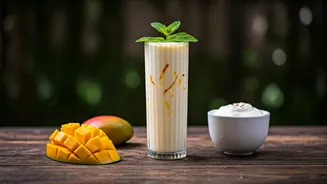
While the classic sweet and salted versions remain eternal favorites, lassi is enjoying a vibrant renaissance. Today’s cafes and lassi bars are experimenting with an exciting array of flavours that cater to a modern palate. Mango lassi has become a global ambassador for the drink, but the creativity doesn't stop there. You can now find everything from strawberry, banana, and chocolate lassi to more inventive concoctions like rose, pista, and even spiced mocha. There are also unique floral and fragrant versions like Gulkand (rose petal preserve) lassi and Kesar Pista (saffron-pistachio) lassi, often called the “Royal Lassi” for its luxurious ingredients. This evolution shows the drink’s incredible versatility, transforming it from a simple home-style beverage into a trendy lifestyle choice.
A Glassful of Goodness?
Beyond its delicious taste, lassi is celebrated for its health benefits. Being yogurt-based, it's a natural source of probiotics, which are beneficial bacteria that promote good gut health and aid digestion. It's also packed with calcium for bone health and helps keep the body hydrated and cool, making it a far healthier alternative to sugary sodas. However, it's worth noting the difference between its variations. While salted lassi is light and replenishes electrolytes, a classic sweet lassi can be high in sugar. For a healthier indulgence, one can control the amount of sugar, use honey as a substitute, or focus on fruit-based lassis where the natural sweetness of the fruit shines through.