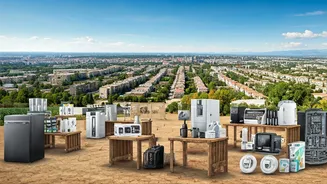









The New Consumer Powerhouse
The engine of India's consumer market is shifting. While metropolitan hubs remain important, the most dynamic growth is now coming from regional India. Recent analyses show that Tier-2 and Tier-3 cities are shaping the country's consumption patterns more
decisively than ever. More than 60% of e-commerce transactions now originate from these markets, with some reports indicating that smaller towns are outpacing metros in retail spending growth. This isn't just about more people coming online; it's a structural change. Driven by rising disposable incomes, widespread smartphone penetration, and affordable data, hundreds of millions of Indians outside the major cities have reached a level of digital fluency and aspiration that rivals their metro counterparts. This has created a massive, addressable market of consumers who are moving from unbranded goods to quality, branded products.
Beyond Search Ads: The 'Smarter Discovery' Puzzle
Reaching this new consumer requires a different playbook. Traditional advertising and top-down marketing funnels are less effective in a landscape where trust is paramount. 'Smarter discovery' is about meeting these consumers where they are, in formats they trust. This is where social commerce has become a transformative force, projected to grow into a market worth over $54 billion by 2034. Platforms blending social media with seamless shopping are turning likes into sales. For consumers in smaller cities, discovery is often driven by community and connection. Influencer-led selling, especially with regional creators using vernacular content, builds a layer of trust that brand advertisements struggle to replicate. Likewise, quick commerce and hyperlocal delivery models are fuelling aspirational demand by providing last-mile reach into new pin codes, making products accessible that were previously unavailable.
Redefining 'Value' for Regional India
For years, the Indian consumer was stereotyped as being purely price-sensitive. That perception is now outdated. A distinct shift is underway, from a price-first mindset to a value-driven one. While affordability remains a key factor, 'value' is now a much richer concept. Today's regional consumers evaluate whether a product's cost is justified by its quality, durability, customer support, and the overall experience. Trust, authenticity, and transparency are becoming crucial components of the value equation. For Direct-to-Consumer (D2C) brands, this presents a huge opportunity. By telling a relatable brand story and engaging directly with customers, they can build the credibility needed to win over a consumer who has never touched the physical product. This means consistency across every touchpoint—from packaging to post-purchase support—is not just a nice-to-have, but a critical trust-building mechanism.
The Blueprint for Success
Brands that are winning in regional India understand that they cannot simply extend their metro strategy. They are localising their approach, often using a dual strategy of launching premium products in smaller, affordable pack sizes to encourage trials. They invest heavily in building community and trust, using platforms like WhatsApp for everything from order updates to customer retention. They leverage user-generated content and regional influencers to create social proof. They also understand the power of data, using insights on consumer behaviour to refine their products and messaging continuously. Success stories from companies like Meesho and the strategies of countless D2C brands show that the path to growth involves building a marketing system focused on authenticity and retention, not just awareness and acquisition. The message is clear: the brands that will thrive are those that treat regional consumers with the sophistication they deserve.