







Monsoon Readings and Quiet Corners
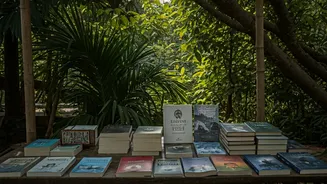
Forget the sprawling fairgrounds for a moment and picture this: a small, engaged audience gathered at the Doon Library and Research Center for an evening of stories. This is the literary pulse of Dehradun in July. While the city’s large-scale Doon Book
Festival unfolded under the bright spring sun of April, the monsoon season offers a more contemplative alternative. Events like the recent conversation on 'Shadows of Azaadi' exemplify this spirit—intimate, thought-provoking, and deeply personal. It’s a time when the literary community turns inward, favouring quiet discussions and personal interactions over grand stages. The relentless drizzle outside seems to encourage a unique brand of warmth inside, where chai, conversation, and a shared love for the written word create a truly cosy atmosphere.
A Flashback to April's Grand Literary Fair
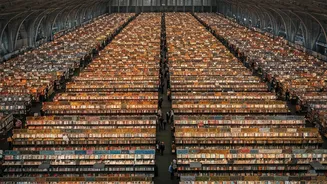
The contrast with the Doon Book Festival held from April 4 to 12 is stark. Organised by the National Book Trust in collaboration with the Uttarakhand government, the nine-day event at Parade Ground was a magnificent celebration of literature on a grand scale. With over 300 stalls, free entry for all, and an estimated footfall of 3.5 lakh visitors, it was designed to be an accessible, public-facing carnival of books. The festival was a bustling hub of activity, featuring everything from major book launches and celebrity author sessions to vibrant cultural evenings with musical performances by artists like Narendra Singh Negi. It was a resounding success in its mission to promote reading culture to a massive audience, turning Dehradun into a national literary hotspot.
Two Rhythms of the Same Heart
So, which is the true face of Doon's literary scene? The answer is both. The April festival, with its 'Doon Lit Fest' component featuring prominent figures from cinema and public life, represented a confluence of literature, art, and popular culture. It was loud, energetic, and aimed at bringing the entire country's attention to the valley. The cosy July energy, on the other hand, reflects the city's year-round identity. It’s found in the smaller, more frequent gatherings that happen in local libraries, independent bookstores, and university halls. These events carry the torch of literary engagement when the big tents are packed away. They cater not to the masses, but to a dedicated community of readers and writers who form the bedrock of the city's intellectual life.
A City Built on Words
Dehradun has long been a sanctuary for writers, a place where the pace of life and the proximity to nature foster creativity. It’s a city inextricably linked with literary giants like Ruskin Bond, who has been a frequent presence at its various festivals. This deep-rooted literary legacy is precisely why it can successfully support both a large-scale national festival and a thriving ecosystem of smaller events. The April fair placed a significant emphasis on regional literature, with the release of books translated into Garhwali and Kumaoni languages, celebrating the area's unique cultural fabric. This focus on local heritage is nurtured in the smaller July gatherings, ensuring that the literary conversation remains authentic and continuous.
The Best of Both Worlds
A city’s literary health isn't measured solely by the size of its biggest festival. It’s also in the quiet hum of activity that persists throughout the year. The Doon Book Festival in April showcased the city’s ambition and organisational strength, drawing a national crowd. It had a dedicated children’s pavilion with storytelling and workshops, alongside serious discussions on history and society. But the cosy energy of July reveals its soul. It’s in these smaller monsoon sessions that you feel the true, enduring passion for literature that defines Dehradun. The grand fair is for celebration; the quiet gatherings are for connection. A truly literary city needs both to thrive, offering different spaces for different kinds of book lovers.