


Before You Go: Pack Smart
A successful monsoon trip starts at home. Your packing strategy should anticipate heat, humidity, and water. The golden rule is to favour fabrics that dry quickly. Swap out your cotton t-shirts and jeans for synthetic blends like polyester or nylon, which
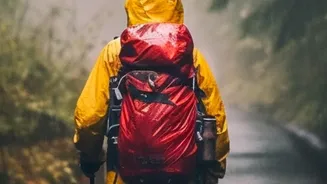
can dry in a few hours. A lightweight, hooded rain jacket is non-negotiable, and a strong, compact umbrella offers quick cover for short dashes. Footwear is critical; opt for waterproof sandals with a good grip or rubber-soled floaters that can handle puddles and slippery paths. To protect your valuables, invest in a waterproof backpack cover and use dry bags or resealable plastic pouches for your phone, wallet, power bank, and documents. Finally, throw in an insect repellent with DEET, as mosquito activity increases during the rains, and a basic first-aid kit with antifungal powder.
Safety First: Navigate with Caution
When heavy rain hits, your top priority is safety. The primary dangers aren't usually the raindrops themselves, but their consequences: flash floods, landslides, and poor road conditions. Always check weather alerts from official sources like the India Meteorological Department (IMD) via their MAUSAM app. Be particularly cautious in hill stations, where continuous rain can saturate slopes and increase landslide risk. Avoid driving at night in hilly or unfamiliar areas, as visibility is poor and hazards are harder to spot. Never attempt to walk or drive through flooded streets; water levels can be deceptive, and submerged debris poses a significant risk. It’s wise to build buffer days into your itinerary. Unexpected delays due to road closures or cancelled transport are common, so a flexible schedule prevents a minor disruption from derailing your entire trip.
Pivot to Indoor Pleasures
A rainy day is an opportunity to explore the indoor world of your destination, which is often overlooked during sunnier weather. Major cities are full of world-class museums, art galleries, and cultural centres that are perfect for a wet afternoon and are often less crowded during the monsoon. Consider a visit to the National Museum in Delhi, the Chhatrapati Shivaji Maharaj Vastu Sangrahalaya (CSMVS) in Mumbai, or the Indian Music Experience in Bengaluru. Alternatively, dive into the local culinary scene. Sign up for a cooking class to learn regional specialities or spend a few hours in a cosy café, watching the rain with a hot cup of chai and some pakoras. Many hotels also offer excellent amenities like spas, providing the perfect excuse for a relaxing massage or wellness treatment while you wait for the weather to clear.
Embrace the Rain (Sensibly)
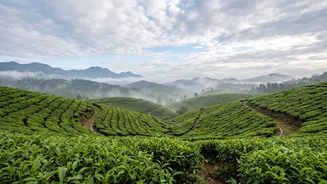
If it's safe to venture out, you can also choose to embrace the monsoon. The rain transforms landscapes, turning hills a vibrant green, filling waterfalls, and clearing the air of dust. A short, careful walk in a safe area can be a beautiful experience. The key is to have the right gear and to stay away from risky zones like overflowing rivers or coastal areas with rough seas. For photographers, the monsoon offers dramatic skies, misty landscapes, and reflective, rain-slicked streets that make for stunning images. You don’t need to go far; even the view from your hotel window can be captivating as the city takes on a different rhythm in the rain. Sometimes, the best part of a monsoon trip is simply slowing down, observing, and appreciating the unique atmosphere that only the rainy season can bring.