







Beyond the Postcard View
Travel brochures and Instagram feeds are filled with grand palaces and sweeping landscapes. These are the symbols of a place, the broad strokes of its identity. Yet, they often present a curated, almost sterile version of reality. A deeper, more authentic
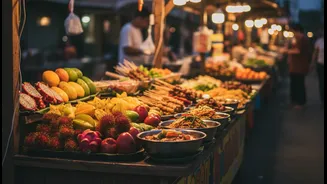
connection comes not from what a place builds for the world to see, but from what its people eat every single day. Food is a living narrative, a story told through ingredients, techniques, and rituals. While a historic fort tells you about a kingdom's past power, the humble street food sold at its gates tells you about the city's present pace, its economy, and the daily lives of its citizens. It’s the difference between reading a history book and having a conversation with someone who lives there.
The Language of the Land
Everyday cuisine is a direct reflection of geography and climate. The prevalence of coconut and tamarind in South Indian coastal dishes speaks of a tropical landscape, while the reliance on millets and hardy grains in Rajasthan tells a story of arid plains. These ingredients weren't chosen; they were given by the land. Over centuries, communities built their culinary worlds around what was available. This intimate relationship between environment and plate means that eating a local dish is like tasting the region’s topography. It’s an unfiltered sensory experience that connects you to the very soil of the place you are visiting, offering insights that no guided tour ever could.
A Recipe for History
Some of the simplest dishes carry the most complex histories. Take Mumbai’s vada pav. At first glance, it’s just a spiced potato fritter in a bread bun—delicious, but unassuming. Yet, its story is the story of modern Mumbai. It was born in 1966 to feed the city's bustling textile mill workers, who needed a quick, affordable, and filling meal. The pav itself is a legacy of Portuguese influence. The dish's rise in popularity coincided with major social and political shifts in the city, with many former mill workers opening their own vada pav stalls to make a living. To eat a vada pav at a Dadar station stall is to consume a piece of Mumbai's industrial history, its fast-paced work culture, and its spirit of entrepreneurial resilience.
The Social Fabric of a Meal
How people eat is just as revealing as what they eat. The act of sharing a meal is a universal form of connection, but its expressions are wonderfully diverse. Think of the communal nature of a North Indian dhaba, where people from all walks of life share simple, hearty food, or the ritual of a traditional Japanese tea ceremony, which embodies principles of harmony and respect. UNESCO has even recognized many food traditions as forms of intangible cultural heritage, from the culture of Ukrainian borscht to the festive Al-Mansaf banquet in Jordan. These culinary practices reveal a society's values around hospitality, family, and community. By participating—even as an observer—you gain access to the unspoken social rules and rhythms that define a culture.