



Avoid Grains and Lentils
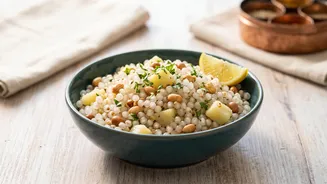
The most fundamental rule of a Janmashtami fast is the exclusion of all grains and lentils. This means regular staples like wheat (and its flour), rice, and all types of dal are strictly off the menu. The principle behind this is to consume lighter, easily
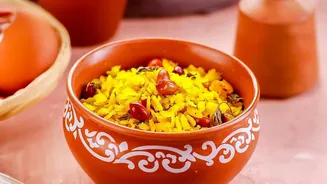
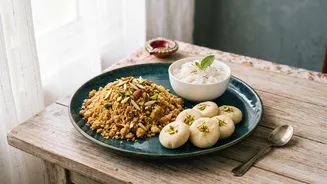
digestible foods that don't tax the system, allowing the mind to focus on prayer. Instead of regular grains, the fast permits specific vrat-friendly flours and starches. These include kuttu ka atta (buckwheat flour), singhare ka atta (water chestnut flour), rajgira ka atta (amaranth flour), and sabudana (tapioca pearls). Dishes like kuttu ki puri, sabudana khichdi, and samak rice (barnyard millet) become the main sources of carbohydrates, offering nourishment while adhering to tradition.
Embrace Sattvic Foods
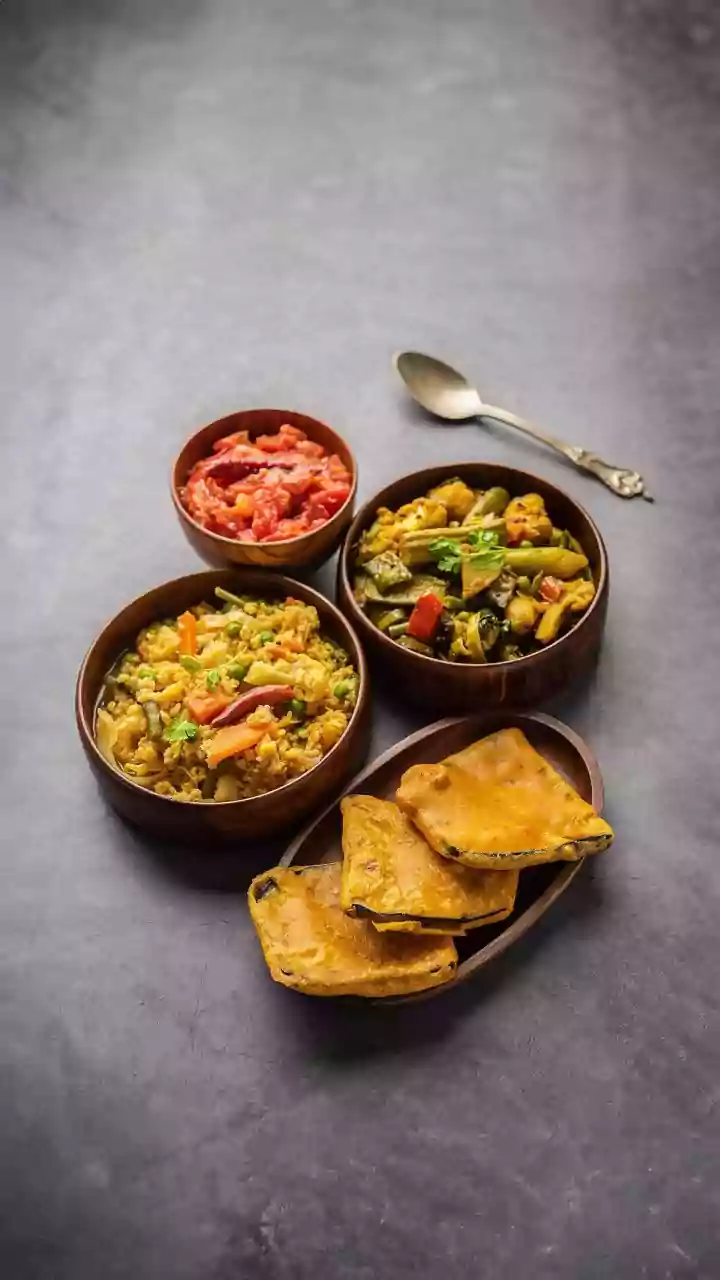
The Janmashtami vrat is centered on a sattvic diet, which promotes purity, calmness, and mental clarity. This means your fasting plate should be filled with fresh, natural, and wholesome foods. All seasonal fruits are highly recommended, as are dairy products like milk, curd, and paneer. Lord Krishna's fondness for milk and butter makes dairy an integral part of the festival's offerings and the fasting diet. Vegetables like potatoes, sweet potatoes, raw banana, pumpkin, and cucumber are also permitted. You can enjoy these boiled, roasted, or in simple curries. The goal is to nourish the body with foods that are considered pure and life-giving, enhancing the spiritual experience of the day.
Say No to Onion, Garlic, and Non-Veg
Just as important as what you eat is what you avoid. During the Janmashtami fast, non-vegetarian food, including meat, fish, and eggs, is completely forbidden. This aligns with the principle of ahimsa (non-violence) often associated with sattvic living. Furthermore, two common kitchen ingredients, onion and garlic, must also be avoided. In Ayurvedic and yogic traditions, these are classified as rajasic and tamasic foods. They are believed to overstimulate the senses and create restlessness or dullness in the mind, which runs counter to the tranquil state one aims to achieve through fasting and prayer. Sticking to simple spices like cumin, black pepper, and coriander powder will keep your meals flavourful yet sattvic.
Choose the Right Kind of Salt
A small but crucial detail in Janmashtami fasting cuisine is the type of salt used. Regular, iodised table salt is not permitted. Instead, all vrat dishes must be prepared using sendha namak, or rock salt. This rule stems from the emphasis on using foods in their most natural and unprocessed form during a period of spiritual cleansing. Sendha namak is a raw, unrefined form of salt mined directly from the earth, unlike commercially processed table salt. It is considered a purer alternative suitable for religious observances. While it provides the necessary salty flavour, it has a milder taste, which also helps in practicing moderation and restraint, key tenets of any fast.
Fast Mindfully and Listen to Your Body
Fasting is a personal act of devotion, and there are different ways to observe it. The strictest form is the 'nirjala' vrat, where one abstains from both food and water. However, this is not suitable for everyone and should only be attempted if you are in good health. The more common practice is the 'phalahar' vrat, where permitted foods are consumed. It is important to choose the type of fast that aligns with your health and lifestyle. Fasting should not be an excuse to feast on deep-fried vrat snacks like pakoras and vadas. While delicious, overindulging in oily food can defeat the purpose of the fast, which is to detoxify the body and calm the mind. Opt for healthier preparations like roasted makhana, fruit chaat, or baked sweet potatoes to stay energetic and true to the spirit of the vrat.