






The SPF Promise vs. Reality
The Sun Protection Factor (SPF) number on a bottle is a promise of protection, but it's determined under specific lab conditions. In these tests, scientists apply a thick layer of sunscreen—about two milligrams per square centimetre of skin—to measure
its effectiveness against UVB rays. This controlled, generous application is what validates the SPF 30, 50, or higher rating. However, in the real world, most people apply only 25-50% of that recommended amount. This discrepancy means the SPF 50 you think you're wearing might be providing significantly less protection, leaving your skin vulnerable to sun damage, premature ageing, and skin cancer. The protection level doesn't decrease in a straightforward way; using half the amount can cut the effective SPF by more than half.
How Much Is 'Enough' Sunscreen?
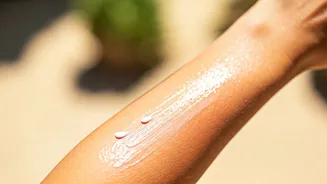
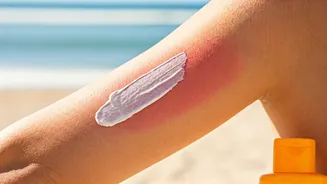
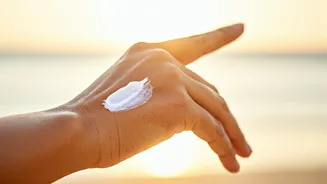
To achieve the protection stated on the label, dermatologists offer clear guidelines. For your entire body, the recommendation is about one ounce, which is equivalent to the amount needed to fill a shot glass. When it comes to your face and neck, a helpful guideline is the 'two-finger rule'. This involves squeezing two full lines of sunscreen onto your index and middle fingers, from the base to the tip. This method provides a visual cue to ensure you're applying a sufficient amount, which typically translates to about a nickel-sized dollop or half a teaspoon for the face and neck area. While it might feel like a lot, this quantity is what's needed to create an effective barrier against UV radiation.
The Real-World Cost of Under-Application
When you apply too little sunscreen, the drop in protection can be dramatic. Studies show that using only half the recommended amount doesn't give you half the SPF. Instead, the effectiveness plummets. For an SPF 50 product, applying half the necessary amount could reduce your protection to an SPF of around 14 to 17. This leaves you far more exposed to the harmful effects of UV radiation than you realize. Short-term consequences include painful sunburns, but the long-term damage is more severe. Chronic under-application contributes to photoaging—wrinkles, fine lines, and dark spots—and, most importantly, significantly increases your risk of developing skin cancer.
Beyond Quantity: Other Common Mistakes
Using the right amount is critical, but it's not the only factor. Many common habits can undermine your sun protection strategy. One major mistake is not applying it early enough; sunscreen needs about 15 minutes to absorb into the skin to form a protective film. Another is missing key spots. Areas like the ears, back of the neck, hairline, and the tops of your feet are frequently forgotten and highly susceptible to burns. Finally, one application is not enough for a whole day. Sunscreen wears off and its active ingredients break down with sun exposure. It must be reapplied at least every two hours, and more frequently—about every 80 minutes—if you've been swimming, sweating, or towel drying.
Making Correct Application a Habit
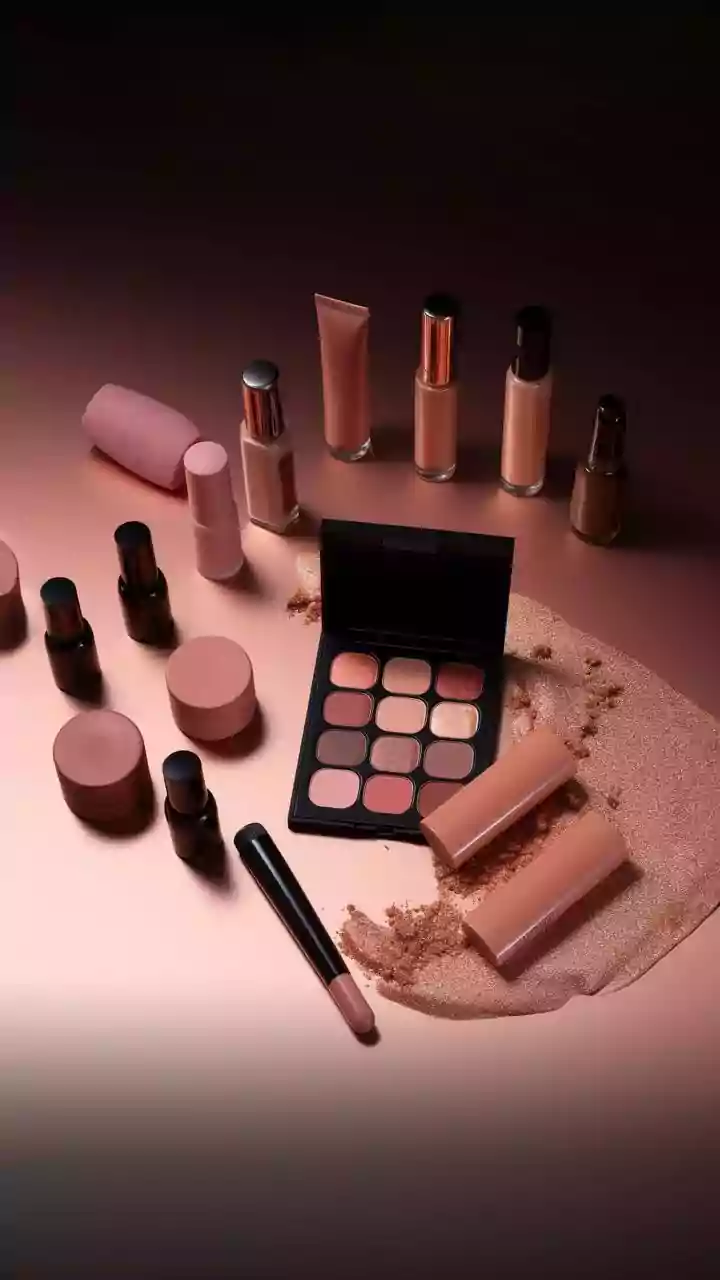
Integrating proper sunscreen use into your daily routine can feel daunting, but a few simple tricks can help. Use the two-finger method every morning as the final step of your skincare routine. For body application before heading outdoors, physically measure out a shot glass worth of product to get a feel for the correct volume. If you wear makeup, rely on a dedicated sunscreen layer underneath rather than just a foundation with SPF, as you are unlikely to apply enough makeup to achieve the stated protection. Setting a recurring two-hour alarm on your phone can serve as a helpful reminder to reapply when spending the day outside. Think of it not as a chore, but as a non-negotiable health habit, just like brushing your teeth.