



More Than Just a Frugal Fix
This trend is about more than just the age-old Indian habit of 'jugaad' or finding resourceful solutions. While the tradition of repurposing has deep roots in our culture—seen in practices like 'Kantha' embroidery in Bengal or 'Godhadi' quilts in Maharashtra
where old dhotis and sarees were layered and stitched together—today’s movement is a conscious design choice. It represents a shift in values where the history of a material is seen as a luxury. Homeowners and designers are deliberately choosing to upcycle, viewing the patina of a pre-loved fabric as a unique aesthetic element, not a compromise. This is about thoughtfully curating a home that tells a story, where every piece has a past and a purpose.
The Environmental Imperative
A significant driver behind this trend is a growing awareness of the environmental cost of fast fashion and mass-produced home goods. The textile industry is one of the world’s biggest polluters, generating millions of tons of waste annually. Every year, vast quantities of fabric end up in landfills, where they can take decades to decompose. By upcycling old sarees and fabric scraps, households are taking a small but meaningful step to combat this waste. Instead of purchasing new, machine-made decor, they are extending the life of existing materials, reducing their carbon footprint, and preventing beautiful textiles from becoming trash. This practice saves not only fabric but also precious resources like water that would have been used to produce new textiles.
A Tapestry Woven with Memories
Perhaps the most powerful reason for this trend is the deep emotional connection we have with these fabrics. A saree is rarely just a piece of cloth; it is a vessel of memories. It might be a mother’s wedding Banarasi, a grandmother’s soft cotton drape, or a saree worn for a special family festival. These heirlooms, often too delicate or dated to be worn, hold immense sentimental value. Upcycling them into cushion covers, table runners, or wall hangings allows these memories to live on, woven into the very fabric of the home. Instead of being hidden away, the legacy of the women who wore them becomes a part of the daily landscape, sparking conversations and keeping family history alive.
From Heirloom to Home Art
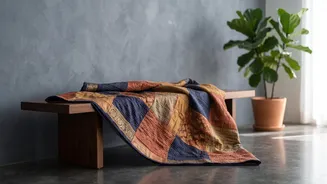
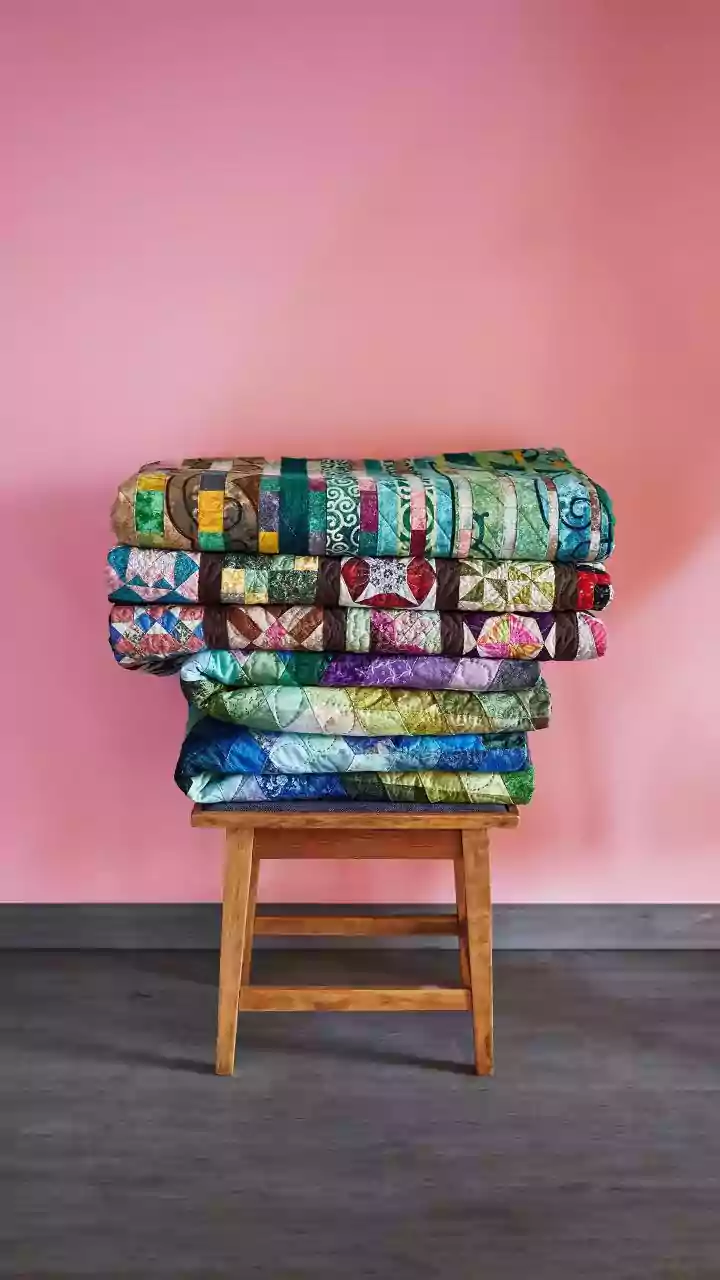
The creative possibilities are endless, turning personal history into functional art. A Kanjeevaram saree's heavy silk and lustrous zari border might be repurposed into a set of opulent cushion covers, perfect for festive arrangements. A colourful printed chiffon's pallu can become a striking table runner, while softer cotton sarees are stitched together to create cozy, one-of-a-kind quilts or 'godhadis'. Even small scraps find new life as decorative 'torans' for doorways, patchwork wall art, or vibrant potli bags for gifting. This process celebrates the unique qualities of each fabric, ensuring that the intricate weaves, delicate embroidery, and rich colours that defined the original garment continue to be admired.
The Rise of Artisan Entrepreneurs
This growing interest in upcycled textiles has also fueled a wave of creativity among Indian designers and small-scale entrepreneurs. Numerous brands and social enterprises are now dedicated to transforming textile waste into high-end fashion and home decor. These studios often work with local artisans, reviving traditional skills and providing sustainable livelihoods. By creating a market for these unique products, they are proving that ethical production and circular design can be both beautiful and commercially viable. This movement empowers consumers to make choices that support craftsmanship and sustainability, turning a simple purchase into a statement of values.