





Beyond the Glossy Paper
For generations, festive gift wrapping meant glossy paper, often adorned with generic festive motifs, and finished with a plastic bow. Today, young consumers are consciously moving away from this one-size-fits-all approach. The shift is towards packaging
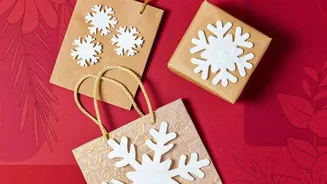
that tells a story even before the gift is unwrapped. This involves using materials that reflect thought and effort, turning the wrapping itself into an extension of the gift. Instead of grabbing a standard roll of paper, they are opting for handmade paper with traditional motifs like paisleys or mandalas, brown kraft paper decorated with natural elements, or even fabric. The goal is no longer just to cover the gift, but to create a memorable first impression that feels unique and customized.
The 'Unboxing' Experience Matters
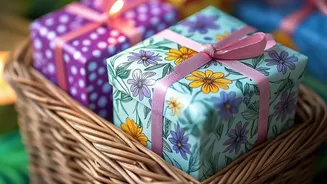
In the age of social media, the presentation of a gift is as crucial as the contents within. The culture of 'unboxing' videos and Instagram-worthy aesthetics has elevated the status of packaging. Young Indians, being digital natives, understand that a beautifully wrapped gift is a shareable moment. This has fueled a desire for aesthetic, visually pleasing packaging that looks good on camera. But it's more than just a photo opportunity; it’s about creating a multi-sensory experience for the recipient. The act of unwrapping becomes a journey of discovery, with layers of thought and detail to appreciate, from a sprig of dried flowers to a handwritten tag or a custom wax seal.
A Statement of Sustainability
Environmental consciousness is a significant driver behind this trend. Gen Z and millennials are increasingly aware of waste, particularly the plastic and non-recyclable materials common in festive packaging. This has spurred a move towards sustainable alternatives that are both beautiful and eco-friendly. Fabric wrapping, inspired by the Japanese art of Furoshiki, is gaining popularity, with people using old sarees, scarves, or dupattas to create reusable wraps. Other popular choices include newspapers, jute twine, recycled paper, and embellishments sourced from nature like leaves and cinnamon sticks. By choosing these materials, the wrapper communicates a set of values, making a statement about conscious consumption.
It's the Thought That Counts, Visibly
At its heart, this trend is about making the recipient feel seen and valued. In a world of mass production, a personalized gift wrap signals that the giver has invested time, effort, and genuine thought. It’s a powerful way to strengthen emotional connections. Adding personal details—like a photo collage on the wrapping paper, a custom stamp with the recipient's initials, or a handwritten note—transforms a simple object into a cherished keepsake. This shift reflects a broader change in gifting culture, where the emotional and experiential value of a gift is often prioritized over its monetary worth. It's a return to the core principle of gifting: a tangible expression of a relationship.