
A New Window Into Cosmic Creation
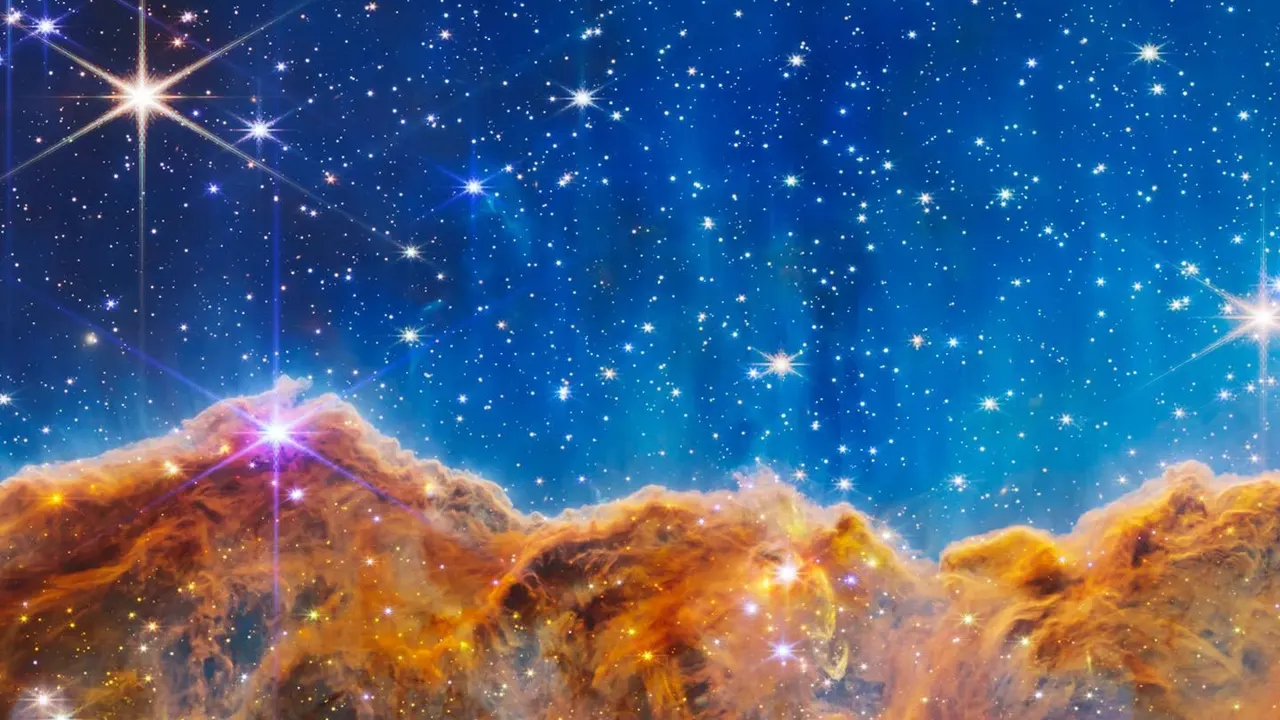
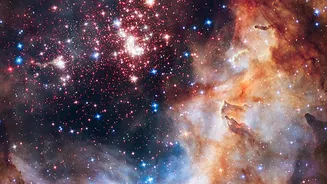
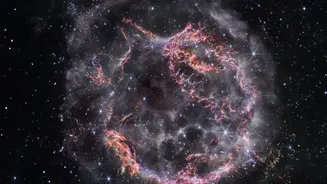
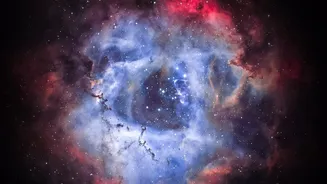
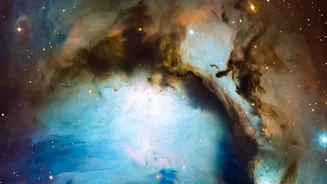
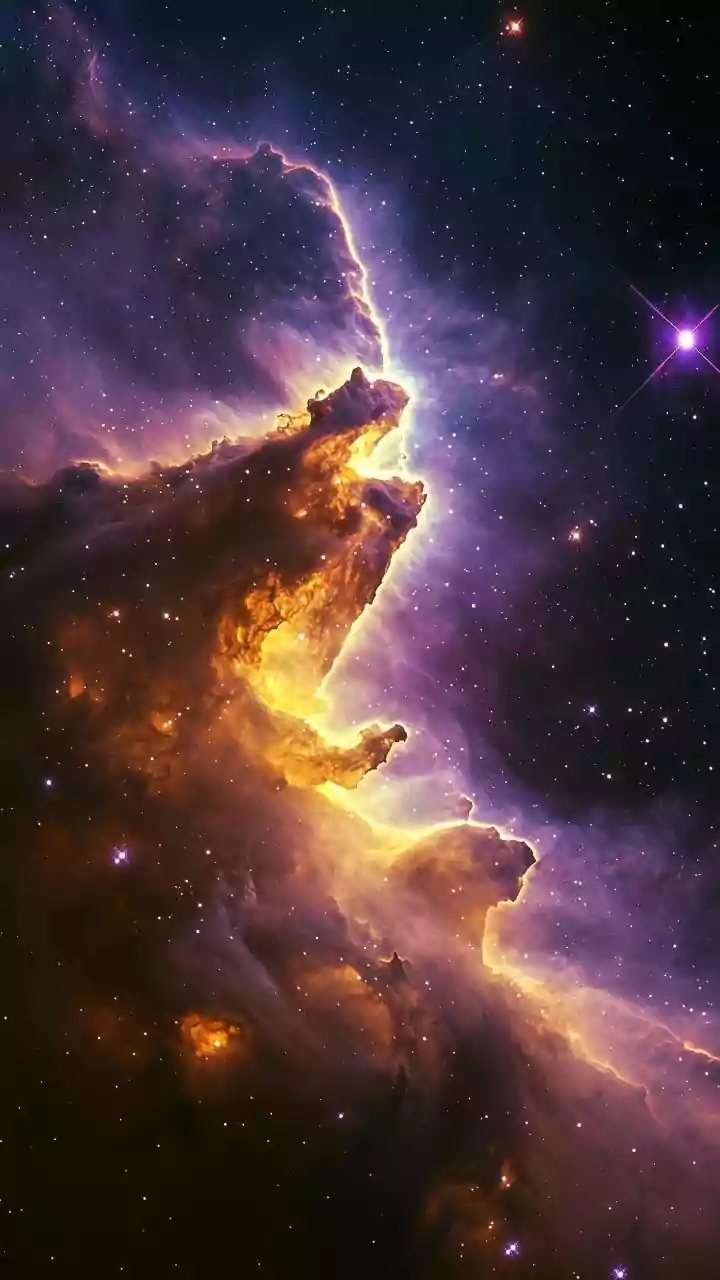
The latest dispatches from the James Webb Space Telescope have provided astronomers and the public alike with astonishingly detailed views of active stellar nurseries. These are vast, ethereal clouds of gas and dust where new stars are born. The images,
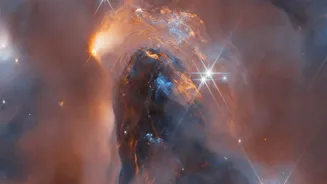
captured with Webb's powerful infrared instruments, pierce through the dense dust that has historically hidden these cosmic cradles from view. What we are now seeing are the chaotic, energetic, and beautiful first steps of star formation, a process that was once largely theoretical but is now being observed with stunning clarity. The data reveals dozens of previously unseen energetic jets and outflows from very young stars, marking a new era in our ability to study how stars, including our own Sun, come into existence.
What Exactly Are Stellar Nurseries?
Think of stellar nurseries as giant maternity wards for stars. Officially known as molecular clouds, these are immense regions in interstellar space composed primarily of hydrogen gas and tiny dust particles. Within these cold, dark clouds, gravity works its slow and steady magic. Over millions of years, denser pockets of gas and dust begin to clump together and collapse under their own weight. As these clumps, or cores, become more compact, the pressure and temperature at their centers rise dramatically. Eventually, they become hot and dense enough to ignite nuclear fusion, and a new star, known as a protostar in its infant stages, begins to shine. These regions are not just birthing single stars; they are often massive clusters where thousands of stars can form.
Webb's Infrared Superpower
The reason the JWST can provide such revolutionary images is its specialization in observing infrared light. Visible light, which telescopes like Hubble primarily see, cannot penetrate the thick layers of cosmic dust that enshroud stellar nurseries. To the visible eye, these regions are dark and opaque. However, infrared light has a longer wavelength that can pass through the dust, much like how an X-ray can see through skin to reveal the bones underneath. This allows Webb to look directly into the heart of these molecular clouds and capture the faint glow of newly forming protostars and the intricate structures they create. The telescope's extreme sensitivity means it can chronicle even the most elusive and rapid phases of star formation.
What the New Images Reveal
The latest deep field views are more than just pretty pictures; they are rich with scientific data. Astronomers can now see the glowing cavities carved out by the powerful stellar winds from the hottest young stars. They can observe brilliant jets of material being ejected from protostars as they feed on the surrounding gas and dust. In some images, these outflows appear as vibrant red and orange wisps, painting a dynamic picture of a star's early, messy history. Webb has also been able to identify key ingredients for life, such as water ice and complex organic molecules, within these clouds, providing clues about the environments in which planets, including potentially Earth-like ones, may eventually form. Studying the structure and composition of these nurseries helps scientists understand not just star birth, but also the subsequent formation of entire planetary systems.
Why This Discovery Matters
Every new image from a stellar nursery helps refine our understanding of galactic evolution. By studying these regions, scientists can build a more complete timeline of how stars and galaxies form and change over billions of years. For example, observing the rate at which stars form in different environments helps explain why some galaxies are teeming with new stars while others have ceased their creative bursts. Furthermore, understanding how young, massive stars influence their environment by clearing out gas and dust provides insight into how one generation of stars can trigger or halt the formation of the next. These observations are fundamental to answering some of astronomy's biggest questions, including how our own solar system came to be almost five billion years ago.