





The Protective Peel is Gone
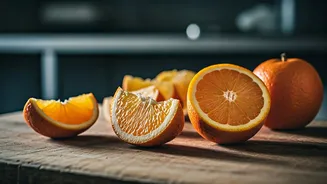
A fruit's skin is its natural armour, protecting the juicy flesh inside from the outside world. The moment a fruit is peeled and sliced, this protective barrier is removed. [9, 11] The exposed, nutrient-rich surface becomes an ideal breeding ground for
bacteria. [11] Unlike cooked foods where heat kills pathogens, these fruits are consumed raw, meaning any contamination poses a direct threat to your health. [3, 7] Studies have shown that pathogens like Salmonella, E. coli, and Listeria monocytogenes can be found on pre-cut fruits, leading to illnesses ranging from diarrhoea to life-threatening infections. [2, 3, 5]
The Problem with Water and Ice
Consider the water used by many street vendors. Often, its source and cleanliness are questionable. [4] This water might be used to wash the fruits, rinse the cutting knife and board, or even be sprayed on the fruit slices to keep them looking fresh. If the water is contaminated, it transfers harmful pathogens directly onto the food you are about to eat. [4, 14] Ice used to chill drinks or produce can also be a major source of contamination, with studies finding E. coli and Salmonella in unsafe ice. [8] This is a significant concern, as waterborne diseases like cholera and typhoid remain a public health issue. [14, 19]
Cross-Contamination and Unhygienic Handling
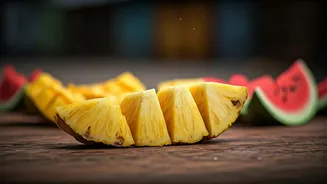
The vendor's hands, the cutting board, and the knife are all potential sources of cross-contamination. [16] A vendor might handle money—which is notoriously covered in germs—and then cut a piece of watermelon without washing their hands. [8] The same knife and board are often used throughout the day to cut different types of fruits for numerous customers, rarely being properly sanitised between uses. [23] This creates a perfect storm for transferring bacteria from one place to another. FSSAI guidelines for street vendors stress the importance of personal hygiene and using separate, clean utensils, but these are difficult to monitor and not always followed. [6, 14]
Exposure to Dust, Fumes, and Flies
The very nature of a roadside stall means the food is constantly exposed to the environment. This includes vehicle exhaust fumes, road dust, and insects. [23] Flies, which are notorious for landing on waste and other unsanitary surfaces, can easily transfer germs to the exposed fruit slices. [20] In hot and humid weather, which is common in India, the rate of bacterial growth on food left at room temperature accelerates significantly, increasing the risk of spoilage and food poisoning. [10, 20]
Nutrient Loss and Spoilage
Beyond the risk of illness, pre-sliced fruits are also less nutritious. The moment a fruit is cut, it starts to lose valuable nutrients like Vitamin C and antioxidants through a process called oxidation. [20] This is why sliced apples and bananas turn brown. [20] While this may seem like a purely cosmetic issue, it is a clear sign that the fruit's nutritional quality is declining. Fruits are meant to be eaten fresh. The longer they sit after being cut, the more benefits they lose, eventually becoming more of a risk than a healthy choice. [20]
A Safer Way to Enjoy Fruits
The solution isn't to stop eating fruit. Instead, change how you buy it. The safest practice is to buy whole, uncut fruits. [21] This way, the protective peel remains intact until you are ready to eat. Before cutting, wash the whole fruit thoroughly under clean, running water. [3] Use a clean knife and cutting board at home. If you must buy from a vendor, choose one who cuts the fruit in front of you. While this doesn't eliminate all risks, it significantly reduces the time the fruit is exposed to contaminants. By taking these small precautions, you can enjoy the fresh, delicious fruits India has to offer without risking your health.