





The Monsoon-Market Connection
The southwest monsoon is the lifeblood of India's agriculture, providing about 70-75% of the country's annual rainfall. A significant portion of India's farmland is rain-fed, meaning it lacks access to extensive irrigation and depends entirely on seasonal
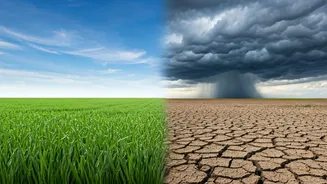
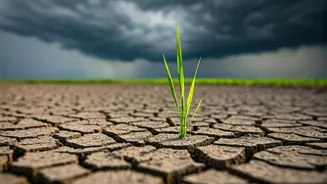
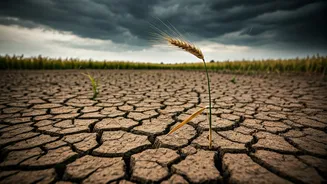
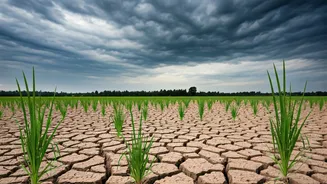
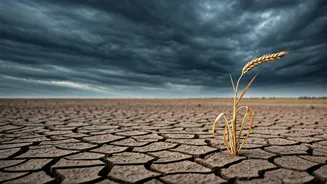
rains. This makes the output of essential kharif (summer) crops like rice, pulses, oilseeds, cotton, and sugarcane highly sensitive to the monsoon's performance. A timely and well-distributed monsoon generally leads to a bountiful harvest, increasing the supply of produce. Conversely, a delayed, deficient, or erratic monsoon can disrupt sowing, reduce yields, and create supply shortages. Since food items make up a large part of household spending and the national inflation index, what happens in the fields during these rainy months has a direct ripple effect on the economy.
From Puddle to Plate Price
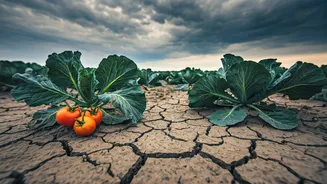
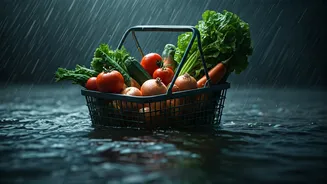
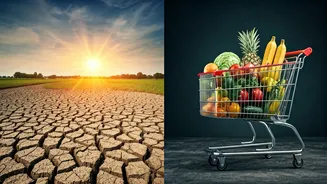
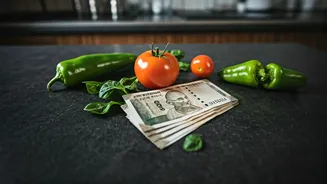
The journey from a rainfall deficit to a higher grocery bill involves a clear economic chain. When a weak monsoon hits, crop yields fall. Lower yields mean less produce arriving at wholesale markets, or mandis. With supply down and demand constant, wholesale prices rise. These higher costs are then passed on through the supply chain, from distributors to your local sabziwala and supermarket, ultimately leading to higher retail prices for consumers. The impact is often most visible in perishable goods. For example, a lack of rain can lead to price spikes for onions and tomatoes, while excessive rain in other areas can cause flooding, damaging standing crops and disrupting transportation, which also pushes prices up.
Which Foods Are Most Affected?
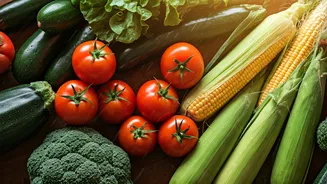
While government buffer stocks of staples like rice and wheat can often cushion the immediate impact of a poor monsoon, other items in your kitchen are far more vulnerable. Perishable vegetables, especially the trio of onions, tomatoes, and potatoes, are notoriously sensitive to weather shifts. Pulses (dals) and edible oils are also significantly affected, as a large percentage of their cultivation occurs in rain-fed areas with limited irrigation. A weak monsoon can even affect milk prices, as a shortage of rainfall can lead to less fodder for cattle. Even if the monsoon is strong overall, uneven distribution—with some regions getting flooded while others remain dry—can create localised shortages and price shocks for specific commodities.
How to Protect Your Budget
While you can't control the weather, you can make smarter choices to manage your food budget amid price fluctuations. Start by planning your meals for the week. This simple step helps you create a precise shopping list and avoid impulse buys. Focus on buying local and seasonal produce, which is almost always fresher and cheaper than out-of-season options. Shopping at local mandis instead of supermarkets can also offer significant savings. Consider buying non-perishable staples like rice, dal, and flour in bulk when prices are stable, as this is often cheaper in the long run. Finally, pay attention to how you store food to minimise waste. Using what you already have in your pantry before buying more can prevent duplicate purchases and ensure nothing expires.