

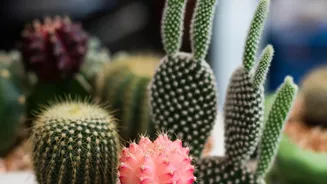
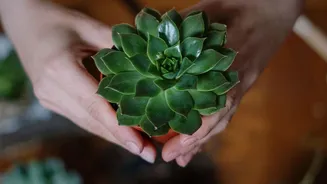
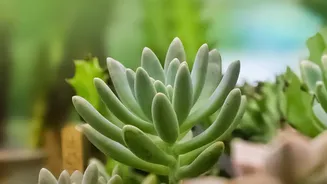
Losing a beloved succulent or cactus can be frustrating, especially when the cause is an invisible enemy lurking beneath the surface. More often than not, the culprit is root rot, a silent killer born from excess moisture. The solution is simple.
The Problem with 'Regular' Soil
Desert
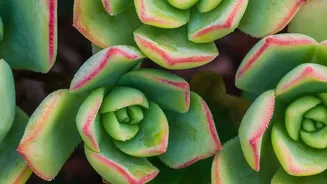
plants like cacti and succulents are adapted to arid environments where water is scarce and soil is sandy or gravelly. Their roots are not designed to sit in persistently damp conditions. Standard potting soil, which often contains peat moss or other materials that retain moisture, becomes a death trap for these plants. When soil stays wet for too long, it cuts off the oxygen supply to the roots, causing them to suffocate, decay, and rot. This condition, known as root rot, prevents the plant from absorbing water and nutrients, leading to symptoms like yellowing, mushy leaves, and a soft stem base, eventually killing the plant.
Anatomy of the Perfect Mix
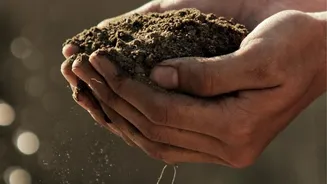
The key to a healthy potted desert plant is a soil mix that drains rapidly. This is achieved by creating a blend that is light, chunky, and well-aerated. A successful mix balances a small amount of organic material with a larger proportion of inorganic, or mineral, components. Organic matter like coconut coir or compost provides some nutrients and structure, while inorganic materials create the air pockets and fast drainage that are essential. Common inorganic ingredients include pumice, perlite, coarse sand, and fine gravel. These gritty elements prevent soil compaction and ensure that excess water flows freely out of the pot.
A Simple DIY Recipe for Success
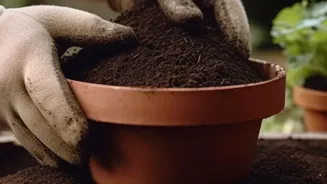
Creating your own desert plant soil is easier than it sounds and gives you complete control over the quality. A great starting point for beginners is a simple 2:1 ratio. Combine two parts of inorganic material with one part of organic material. For example, you could mix two parts pumice or perlite with one part of a commercial cactus mix. Another popular and effective recipe follows a 1:1:1 ratio: one part potting soil (peat-free is best), one part coarse sand (builder's sand, not fine beach sand), and one part perlite or pumice. Simply combine the ingredients in a bucket or bin until they are evenly distributed. The final product should feel gritty and loose, not dense or spongy.
Choosing a Good Store-Bought Mix
If you prefer the convenience of a pre-made mix, it's important to read the ingredients list. Many commercial 'Cactus & Succulent' soils can still be too heavy on moisture-retaining materials like peat moss. Look for mixes that list pumice, perlite, sand, or bark high on their ingredients list. A good quality mix will have a noticeable amount of these gritty components. If you buy a mix and it feels dense and heavy like regular potting soil, don't hesitate to improve it. You can easily amend it by mixing in extra perlite or pumice to increase its drainage capacity, typically aiming for a 50/50 blend of the soil and your chosen amendment.
Beyond the Soil: Pots and Watering
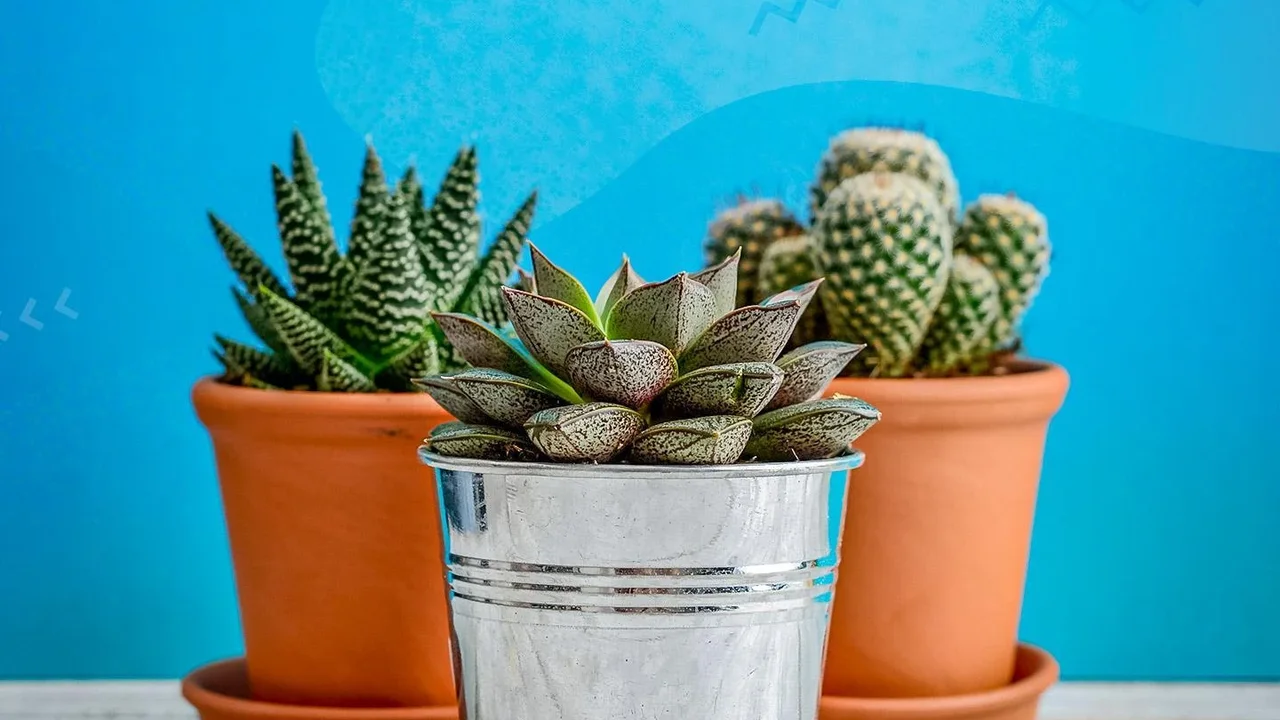
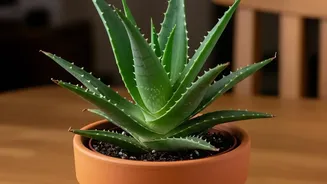
Even the best soil won't save a plant from root rot if other factors are working against it. The choice of pot is critical. Always use a container with at least one drainage hole to allow excess water to escape. Terracotta pots are an excellent choice because their porous nature helps wick moisture out of the soil, allowing it to dry faster. Watering habits are the final piece of the puzzle. Instead of watering on a fixed schedule, check the soil first. A good rule of thumb is to water thoroughly only when the soil is completely dry to the touch, at least an inch or two deep. This 'soak and dry' method mimics the natural cycles of desert environments and is the best way to prevent overwatering.