








The Promise and Peril of Paradise
Imagine a place where the sky is a tapestry of stars, mountains wear crowns of snow, and ancient monasteries cling to cliffs. This is Spiti Valley, a cold desert high in the Indian Himalayas. For years, its remoteness was its shield, preserving its fragile
ecosystem and unique Tibetan Buddhist culture. But as roads improved, so did the influx of tourists. Today, the very beauty that draws us to places like Spiti is under threat from plastic waste, water scarcity, and the carbon footprint of mass tourism. Popular trails are getting busier, and the quest for untouched wilderness often leads to a disappointing queue. The solution isn't to stop exploring, but to change how we do it.
What 'Zero Waste' Really Means Here
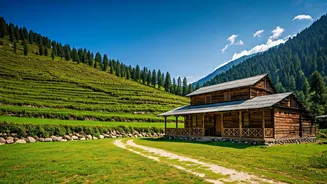
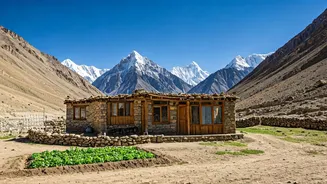
The term 'zero waste' can sound intimidating, but in the context of Spiti, it’s less about absolute perfection and more about a mindful philosophy. It’s a commitment to leaving the valley cleaner than you found it. Local communities and pioneering social enterprises have developed a model of tourism that revolves around this principle. In practice, this means staying in places that actively avoid single-use plastics, serving meals made from locally grown ingredients to reduce food miles, using traditional dry-composting toilets that save enormous amounts of water, and managing all waste responsibly. It’s a rustic, authentic experience that trades hotel luxuries for a deeper connection with the environment and the local way of life.
Finding Your Sustainable Sanctuary
So, how do you find these eco-conscious havens? The answer lies in bypassing the main tourist hubs and seeking out community-run homestays. Organizations like Ecosphere Spiti have been instrumental in creating a network of such stays across the valley. They work with local families, training them in sustainable hospitality and ensuring that tourism revenue directly benefits the community. When you book a homestay through such initiatives, you're not just getting a room; you're being welcomed into a family's home. You’ll share simple, delicious meals, learn about their daily routines, and hear stories that no guidebook can offer. Instead of searching for hotels on large booking platforms, look for these local-first organizations that act as a bridge between responsible travellers and authentic hosts.
Your Role as a Mindful Traveller
The responsibility for sustainable travel doesn't just lie with the hosts; it rests heavily on us, the visitors. Embracing a minimal-waste trip to Spiti begins before you even pack your bag. Ditch the plastic-wrapped snacks and pack nuts and dried fruits in reusable containers. Carry your own reusable water bottle and a filter or purification tablets, as bottled water is a major source of plastic pollution. Pack your own toiletries in reusable bottles to avoid using hotel miniatures. While in Spiti, be extremely mindful of your resource consumption. Water is a precious commodity, so take short showers. Respect local customs—dress modestly, always ask before taking someone's photograph, and be gentle in your interactions. Your goal should be to be a guest the valley is happy to welcome back.
Beyond the Stay: A Deeper Connection
This mode of travel offers rewards that go far beyond a clean conscience. When you’re not insulated by the familiar comforts of a conventional hotel, you experience Spiti on its own terms. You taste the true flavour of the land in a bowl of thukpa made with vegetables from the garden. You feel the rhythm of the day, dictated by the sun and the needs of the farm. You understand the incredible resilience and warmth of the Spitian people who thrive in this harsh, beautiful environment. Ditching the crowds isn't just about finding solitude; it's about replacing the noise of tourism with the quiet, meaningful hum of genuine connection.