






The New Digital Red Pen
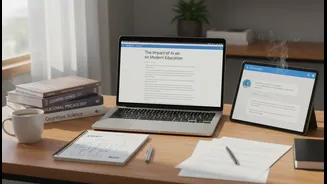
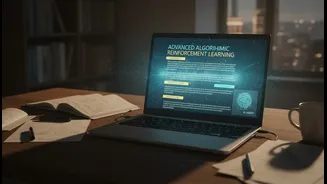
In dorm rooms and libraries across the country, a new step has entered the academic workflow. After a student finishes drafting an essay or research paper, they don’t just run a spell-check. Instead, they open a new tab and prompt an AI tool like ChatGPT,
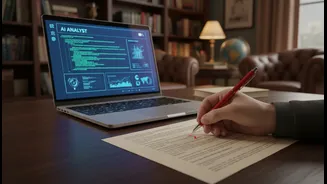
Gemini, or a specialized platform like Grammarly. They paste in their work and ask the AI to act as a proofreader, a writing coach, or even a critical reviewer. This isn't about asking the AI to write the paper from scratch — an act widely considered plagiarism. It is about using it as a powerful mirror, reflecting flaws in grammar, style, and structure that the student might have missed after hours of work. This practice has become a common, if often unspoken, part of student life, seen as a way to level the playing field, especially for those for whom English is a second or third language.
Beyond Grammar and Typos
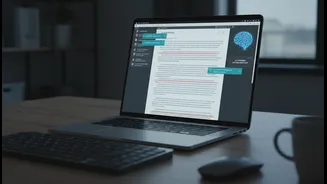
The real power of this new method lies in its scope. While traditional spell-checkers catch basic errors, generative AI offers a much deeper level of analysis. Students are using it to improve the clarity and flow of their arguments, rephrase awkward sentences, and enhance their vocabulary to sound more academic. Prompts like "improve the clarity of this paragraph" or "check this text for a formal, academic tone" are common. The AI can suggest alternative phrasing, identify sentences written in a passive voice, and even help structure an entire argument more logically. For many, it’s like having a personal tutor available 24/7, providing instantaneous feedback that helps them learn to spot and fix their own weaknesses.
The View from the Professor's Desk
The academic world is still grappling with this rapid shift. While most Indian universities forbid using AI to generate entire assignments, the line blurs when it comes to editing and refinement. Many institutions are still developing formal policies, leaving students and faculty in a grey area. The University Grants Commission (UGC) has advised that any use of AI should be disclosed and that the student remains fully responsible for the final work. Some educators see it as a valuable learning aid, akin to using a calculator in a math class, which helps students produce a more polished final product while learning about writing mechanics. Others worry that over-reliance could weaken students' own critical thinking and editing skills, creating a generation of writers who depend on an algorithm to sound smart. The consensus is that disclosure is key; as long as students are transparent about how they used the tool, it is more likely to be seen as a legitimate aid rather than academic misconduct.
Navigating the Risks and Pitfalls
Despite the benefits, using AI as an editor is not without its dangers. A primary concern is that AI can introduce errors, or "hallucinations," including incorrect facts or fake citations. There's also the risk of the AI changing the text so much that it no longer reflects the student's original thought, potentially introducing AI-generated content that could be flagged by detection software. Over-reliance is another major issue. If a student simply accepts all of the AI's suggestions without understanding the reasoning behind them, they are not learning. The goal should be to use AI feedback to become a better writer, not to have the AI do the writing for you. Experts advise students to prompt the AI to list and explain its suggested changes, rather than just asking it to "fix" the text automatically. This forces the student to engage with the feedback and make the final decision themselves.