





The Allure of a Rain-Soaked Adventure
For decades, the monsoon was seen as the off-season for mountain activities. Trekkers typically waited for the clear, crisp skies of autumn and winter. But that perception is changing, and fast. Today, the monsoon trek is not just an activity; it's a phenomenon.
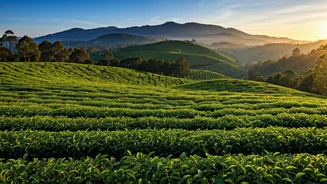
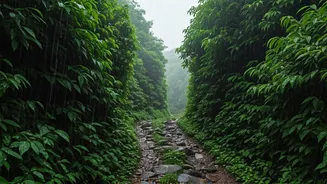
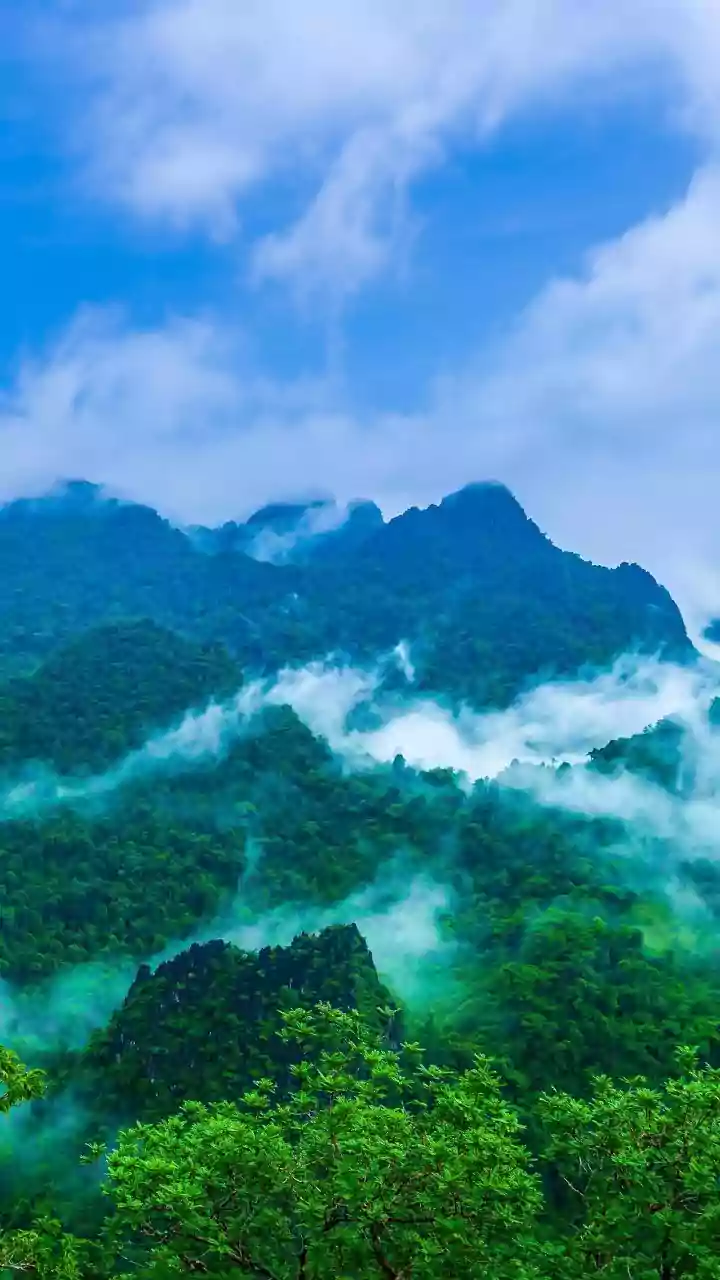
What’s the appeal? The landscape undergoes a dramatic transformation. Barren hillsides erupt in a thousand shades of green, dormant waterfalls roar back to life, and the entire ecosystem hums with renewed energy. For many city dwellers, it’s a powerful antidote to the heat and dust of urban life. The challenge is also a significant draw. Navigating slippery paths, crossing gushing streams, and trekking through a downpour offers a unique sense of accomplishment that a fair-weather hike simply can't match. It’s a multi-sensory experience—the sound of the rain, the sight of the vibrant flora, and the feel of the cool mist on your face.
Why the Sudden Surge?
Several factors are fuelling this trend. Post-pandemic, there has been a monumental shift towards domestic and experiential travel. People are actively seeking out nature-based escapes within India, and the Western Ghats, a UNESCO World Heritage Site, offer an accessible yet world-class destination. Social media has also played a massive role. A single, stunning shot of a mist-covered peak or a milky waterfall can inspire thousands. Platforms like Instagram are filled with breathtaking images from monsoon treks, creating a powerful 'fear of missing out' and turning once-hidden trails into weekend hotspots. Furthermore, the proliferation of local trekking groups and adventure tour operators has made these trips more accessible and organised. They handle logistics, provide gear, and offer the safety of a guided experience, encouraging even novice hikers to take the plunge.
Popular Monsoon Hotspots
The Western Ghats stretch over 1,600 kilometres, offering a diverse range of trails. In Maharashtra, the Sahyadri range becomes a trekker's paradise. Fort treks to places like Harishchandragad, with its mystical Konkan Kada cliff, and Rajmachi are classic monsoon favourites. Kalsubai, the state's highest peak, offers panoramic views of the cloud-filled valleys below. Further south, in Goa and Karnataka, the scenery is equally spectacular. The trek to Dudhsagar Falls, which swells into a formidable cascade during the monsoon, is an iconic adventure. Karnataka’s peaks like Kudremukh ('horse face'), Mullayanagiri, and Tadiandamol are draped in lush shola grasslands and dense forests, making for incredibly scenic and challenging climbs. In Kerala, trails like Chembra Peak, with its heart-shaped lake, offer a gentler but profoundly beautiful monsoon experience.
Safety Before Scenery: Essential Tips
While the monsoon enhances the beauty of the Ghats, it also amplifies the risks. Safety must be the absolute priority. First, invest in proper gear. Sturdy trekking shoes with excellent grip are non-negotiable. A lightweight, fully waterproof jacket and a rain cover for your backpack are essential. Avoid cotton clothing, as it absorbs water and takes a long time to dry; opt for synthetic, quick-dry fabrics instead. Always check the weather forecast and be aware of warnings for heavy rainfall, which can lead to flash floods and landslides. Trails become extremely slippery, and visibility can drop to near-zero in minutes. It is highly advisable to go with an experienced group or hire a local guide who knows the terrain and its monsoon-specific dangers. Inform someone of your itinerary and expected return time. Finally, carry a basic first-aid kit, high-energy snacks, and enough water. Respect the mountains, know your limits, and never underestimate the power of the monsoon.