




Beyond the Beige Couch
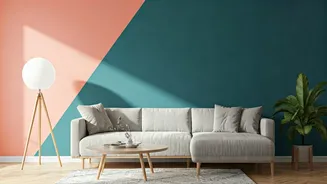
In an era of cookie-cutter interior design—where the same minimalist furniture and neutral palettes dominate social media feeds—a quiet rebellion is brewing. It’s taking place in apartments and first homes across the country, led by Millennials and Gen
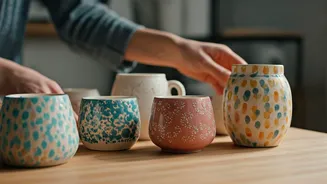
Z who are tired of mass-produced perfection. They are embracing upcycling, the art of taking something old or discarded and breathing new life into it. While flipping furniture has been a DIY staple for years, the recent focus has narrowed to smaller, more accessible items, with pottery, ceramics, and glassware leading the charge. A dated lamp base, a chipped bowl, or a strangely-shaped vessel becomes a weekend project, transformed with a bit of paint, texture, or creativity into a one-of-a-kind statement piece that no one else has.
The Trifecta: Cost, Conscience, and Creativity
So, why the sudden interest in someone else’s cast-offs? The movement is powered by a perfect storm of three factors. First, economics. With rising living costs and stagnant wages, younger generations are masters of the high-impact, low-budget upgrade. A $5 thrift-store vase and a $10 can of spray paint offer a far more accessible entry point to personalizing a space than a $500 designer object. Second, there's the powerful pull of sustainability. Raised with a keen awareness of climate change and waste, many young consumers are actively rejecting the “fast furniture” cycle—cheaply made items designed to be replaced in a few years. Choosing secondhand is a tangible way to reduce consumption and environmental impact. Finally, it’s about creative expression. Upcycling allows for a level of personalization that buying new simply can’t match. It’s a chance to put your own stamp on your surroundings and tell a story with your décor.
The TikTok Effect
This trend didn’t just appear out of nowhere; it was amplified and accelerated by social media. Platforms like TikTok, Instagram Reels, and Pinterest are visual idea-generating machines. A quick search for #potterypainting, #thriftflip, or #upcycleddecor unleashes a torrent of mesmerizing before-and-after videos. These short, satisfying clips not only provide inspiration but also serve as mini-tutorials, demystifying the process and making it feel achievable for even the most novice DIY-er. The community aspect is also crucial. Users share their successes, ask for advice, and cheer each other on, creating a collaborative and supportive environment that encourages experimentation. The “look what I made” reveal has become a powerful form of social currency, celebrating ingenuity and resourcefulness over a hefty price tag.
A Search for Authenticity
At its core, the upcycled pottery trend is a search for authenticity in an increasingly digital and homogenized world. An upcycled piece has history and character. The small imperfections—a slight wobble, an uneven glaze—are not flaws but marks of its unique journey. This stands in stark contrast to the sterile flawlessness of mass-market goods shipped from a factory halfway across the world. By taking the time to find, clean, and transform an object, decorators are embedding their own story and effort into their home. The finished product is more than just a vase; it's a conversation starter, a memento of a creative afternoon, and a tangible rejection of the idea that a beautiful home has to be an expensive one.