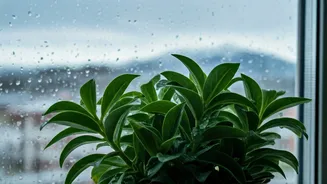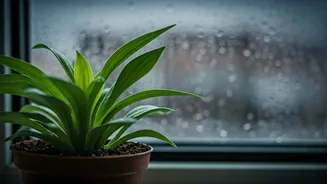




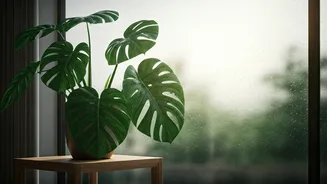


Rethink Your Watering Schedule
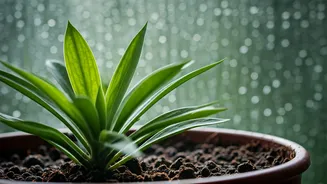
The number one mistake during a rainy season is overwatering. With higher humidity and less sunlight, water in the soil evaporates much more slowly. Plants that are not actively growing need less water. Before you even think about reaching for the watering can,
check the soil. A good method is to stick your finger about an inch or two into the soil; if it feels moist, wait a few more days. Most houseplants prefer their soil to dry out partially between waterings. Signs of overwatering include yellowing, limp leaves, a mushy stem base, and even a rotten smell from the soil. If you see these signs, it's a distress signal from the roots, which may be drowning and developing root rot.
Maximise Every Bit of Light
Gray, overcast days mean significantly less natural light, which plants need for photosynthesis—the process they use to create energy. To compensate, move your plants closer to the windows. A south- or southwest-facing window provides the most intense natural light. Even an east- or west-facing window is better than a spot further inside a room. Keep your windows clean inside and out to allow maximum light penetration. Wiping dust off your plant's leaves can also help them absorb more of the available light. For plants in particularly dark corners or for prized specimens, consider supplementing with an artificial grow light. Even a standard fluorescent bulb can provide some benefit during prolonged sunless periods.
Manage Humidity and Airflow
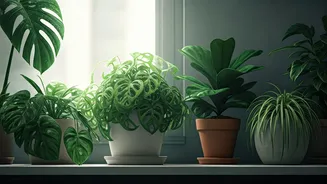
While many tropical plants enjoy humidity, constantly damp air without proper ventilation can be a problem. High humidity creates an ideal environment for fungal diseases like powdery mildew. To combat this, improve air circulation around your plants. You can open a window when it's not raining or use a small fan to create a gentle breeze for a few hours a day. Avoid crowding plants too closely together; giving them space allows air to move freely between the foliage. This simple step helps keep the leaves dry and reduces the risk of fungal issues taking hold.
Watch for Pests and Diseases
The damp, humid conditions that stress your plants are a paradise for certain pests and diseases. Overwatered soil is a breeding ground for fungus gnats. Root rot, a fungal disease that thrives in waterlogged soil, is a major threat during rainy periods and can kill a plant if not addressed. Regularly inspect your plants, checking the undersides of leaves and the soil surface. Look for signs of trouble like mushy stems, black or brown spots on leaves, or tiny insects flying around. Removing any dead or yellowing leaves promptly can also help prevent disease by improving airflow and removing potential decay sites.
Hold Off on Fertiliser
During periods of low light and slow growth, like a long rainy spell or winter, most houseplants enter a state of dormancy. In this resting phase, they aren't actively producing new leaves or flowers and therefore don't require the extra nutrients that fertiliser provides. Fertilising a plant that isn't growing can do more harm than good, as unused fertilizer salts can build up in the soil and damage the roots. It's best to pause your fertilising routine and wait until the sun returns and you see signs of new growth.