





A Radically Changed Landscape
The challenge for cinema owners is clear: casual moviegoing has been fundamentally disrupted. The convenience of streaming platforms, a trend accelerated in the early 2020s, has meant that audiences need a compelling reason to leave their homes and pay
for a ticket. A mid-budget drama or a standard comedy, once a reliable weekend draw, now faces a much tougher question from potential viewers: 'Why not just wait a few weeks and watch it on Netflix or Disney+?' The data shows that while overall box office revenues are recovering, fewer people are actually going to the movies compared to pre-streaming peaks. The habit of going to the cinema just for the sake of it has waned, replaced by a more selective, event-driven approach to theatrical attendance.
Enter the 'Must-See' Event Film
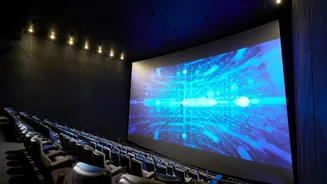
This is where the visual spectacle blockbuster comes in. These are not just movies; they are cultural events designed from the ground up to be experienced on the biggest screen possible. Think of sprawling sci-fi epics, superhero sagas with city-levelling action, or animated features with breathtaking detail. These films, often shot with specialized cameras for formats like IMAX, promise an immersive audio-visual experience that a home setup simply cannot replicate. They create a sense of urgency and a fear of missing out, fueled by massive marketing campaigns that dominate social media and public conversation. The message is clear: this is a story that you need to see with a crowd, to feel the collective gasps, cheers, and applause that are part of the experience.
The Economics of Premium Viewing
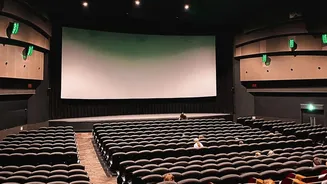
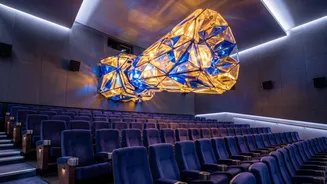
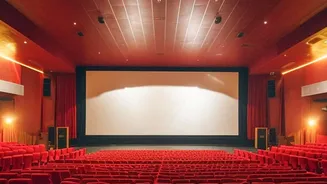
Spectacle films are the lifeblood of multiplex profitability because they drive audiences towards premium large formats (PLFs). Auditoriums like IMAX, Dolby Cinema, and 4DX offer larger screens, superior sound systems, and sometimes even motion seats, all at a significantly higher ticket price. For theatre owners, this is a crucial revenue multiplier. One cinema chain reported that its premium screens accounted for 13% of its entire box office from just 5% of its auditoriums. When a blockbuster like 'Avatar: Fire and Ash' or 'Spider-Man: Brand New Day' is released, these premium screens sell out first, boosting the theatre's overall profit margin. It’s a simple but powerful equation: the bigger the spectacle on screen, the more audiences are willing to pay for an upgraded experience.
A Mutually Dependent Relationship
This focus on blockbusters creates a symbiotic relationship between studios and exhibitors. Studios invest hundreds of millions of dollars into producing and marketing these tentpole films. In return, they rely on a massive, global theatrical release to generate the colossal opening weekend numbers needed to declare a film a success and begin recouping their investment. A strong box office run validates the film's cultural importance, which in turn boosts its value when it eventually lands on streaming platforms and generates merchandise sales. For theatres, these films are guaranteed foot traffic. They not only sell high-margin tickets but also drive concession sales—the other critical pillar of multiplex profitability.
The High-Stakes Gamble
However, this reliance on a handful of mega-movies creates a fragile ecosystem. The industry becomes a high-stakes gamble, where the failure of a single $250 million blockbuster can have devastating financial consequences for a studio. It also squeezes out the middle-budget films—the adult dramas, romantic comedies, and original thrillers—that now often find themselves going straight to streaming. While analysts note a welcome return of more diverse slates in 2026, the market remains polarized. The multiplex has become a temple for the spectacular, a place for films that demand scale. This has kept the lights on and the popcorn popping, but it has also fundamentally changed what it means to go to the movies.