



Steep Slopes and Gravity's Pull
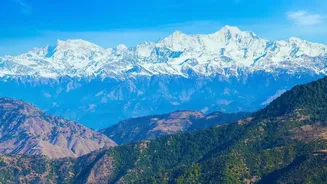
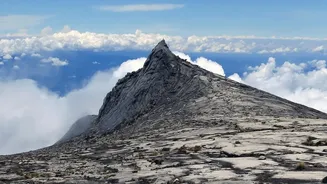
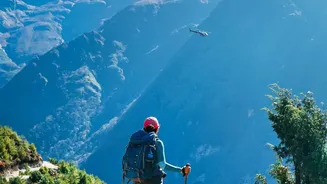
The most obvious factor is the terrain itself. Mountains have steep slopes, and when heavy rain falls, gravity takes over with immense force. Unlike flat plains where water might spread out and slowly be absorbed, mountainsides act like a slide, causing
water to accelerate rapidly downhill. This rapid runoff doesn't give the ground much time to absorb the water, funnelling massive volumes into streams and rivers almost instantly. A creek that is normally only inches deep can swell into a 10-foot-deep river in less than an hour, creating a powerful, fast-moving wall of water.
Nature's Funnels: Narrow Valleys
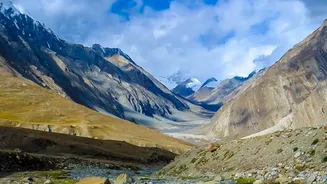
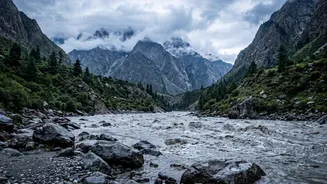
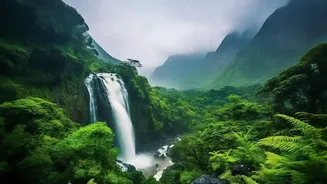
Mountain valleys and river channels are often narrow and V-shaped. During a flash flood, these features act like funnels, concentrating the rushing water into a smaller area. This confinement dramatically increases the flood's height, speed, and destructive power. The water has nowhere to go but forward and upward, scouring riverbeds, carrying along boulders and debris, and destroying anything in its path, from bridges to buildings. This funneling effect is why communities situated in narrow valleys are at extreme risk.
Intense Rainfall from Orographic Lift
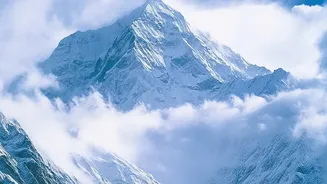
Mountains don't just shape how water flows; they can also create their own intense weather. This happens through a process called orographic lift. When moist air from a plain or ocean is pushed towards a mountain range, it's forced to rise. As the air ascends, it cools, and the moisture within it condenses to form thick clouds and heavy precipitation. This often results in highly localized, intense downpours, sometimes called cloudbursts, on the windward side of the mountains, providing the massive volume of water needed to trigger a flash flood.
Soil, Rock, and Other Hazards
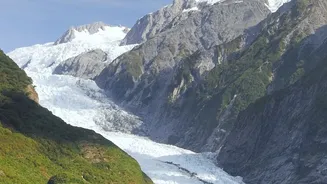
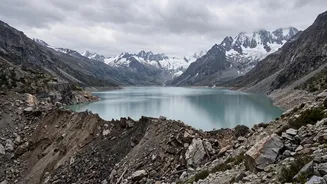
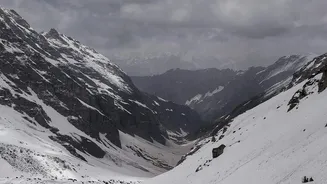
The geology of many mountain ranges adds another layer of risk. The soil is often thin and sits atop fractured or impermeable rock, which limits how much rainwater can be absorbed. In areas where the ground is already saturated from previous rains, any new precipitation will almost entirely become runoff. Furthermore, mountain regions are prone to other hazards that can trigger floods. An avalanche, landslide, or the collapse of a glacial lake dam can release a sudden, catastrophic surge of water and debris downstream, often with little to no warning.
The Human Factor: A Worsening Problem
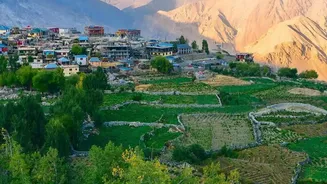
Natural vulnerabilities are increasingly being amplified by human activities. Deforestation removes trees that intercept rain and help soil absorb water, leading to faster runoff. Unplanned construction of roads, buildings, and hydropower projects can destabilize slopes, block natural drainage paths, and place communities directly in harm's way. Climate change is also a major driver, leading to more intense rainfall events and accelerating glacier melt, which increases the risk of glacial lake outburst floods in high-altitude regions like the Himalayas.