


More Than Just a Backdrop
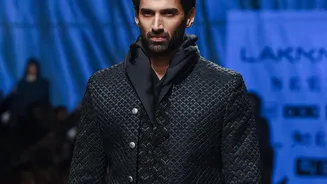
For decades, the formula for a fashion show has been simple: a raised platform, bright lights, and a procession of models. The goal was to remove all distractions. This year, however, designers flipped the script. The recently concluded Hyundai India
Couture Week 2026 saw a deliberate move towards making the venue an integral part of the collection's story. Instead of a sterile environment, designers sought out spaces with history, character, and atmosphere, using them to create immersive worlds for their creations. This shift is about more than just finding a pretty location; it's a strategic move to offer a multi-sensory experience that lingers long after the final bow, especially in an era dominated by social media storytelling.
A 'Moonlit Palace' in Hyderabad
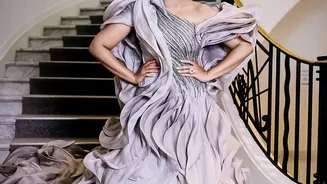
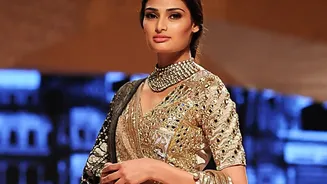
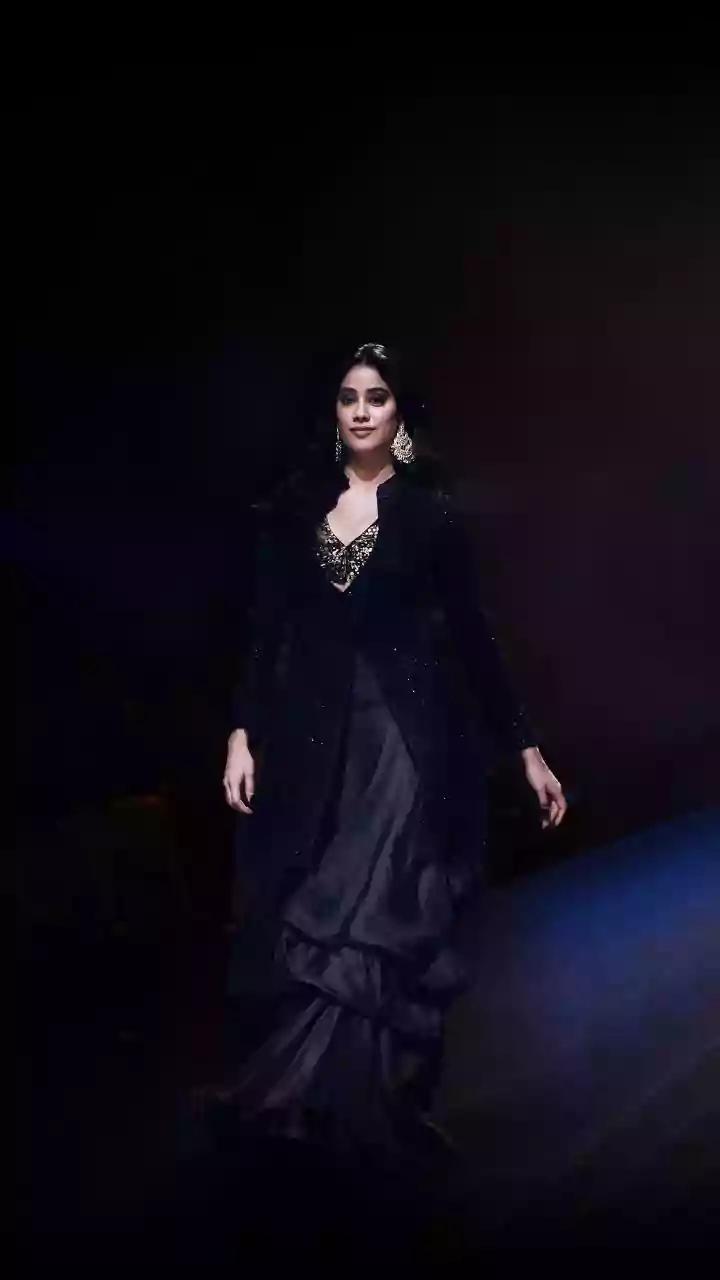
The most significant example of this trend was Anamika Khanna's opening show. For the first time in its history, India Couture Week moved its inaugural show outside of Delhi, staging it at the majestic Taj Falaknuma Palace in Hyderabad. Titled 'Moonlit Palace', Khanna's collection was crafted in direct conversation with its surroundings. The historic, Nizam-era palace, perched on a clifftop, provided a backdrop of unparalleled grandeur. The show unfolded under soft, silvery light, making the palace's opulent interiors feel dreamlike. The clothes, with their fluid drapes, integrated jewellery, and heritage crafts, felt like they belonged to this world, echoing themes of ritual and inheritance. The venue wasn’t just a stage; it was a silent narrator, its regal architecture reinforcing the collection’s dialogue between history and modernity.
Crafting a Narrative Through Space
Anamika Khanna wasn't alone in her approach. While many shows took place at the traditional Taj Palace Hotel in New Delhi, the spirit of creating a unique atmosphere was pervasive. Arpita Mehta, for her debut couture collection, transformed her show space into a 1970s and '80s-inspired members-only lounge. Complete with Indo-European furniture, velvet, and fringe lamps, the set was designed to feel intimate and lived-in, matching a collection intended for celebration. Similarly, designers like JJ Valaya drew inspiration from the cultural history of the Siddis, and his regal staging reflected that historical depth. Even the music and lighting were meticulously curated across the week, with designers like Kunal Rawal treating the soundtrack as a core component of the show's identity, proving that every element of the presentation was being considered to build a complete world.
The Experience is Everything
So, why is this happening now? The answer lies in the changing nature of how we consume fashion. In a world saturated with digital content, a static image of a garment is no longer enough. Designers are now tasked with creating 'moments' — memorable, shareable experiences that convey the soul of their brand. A spectacular venue provides the perfect framework for this. It offers a narrative that engages the audience on an emotional level, making the clothes part of a larger, more compelling story. For the viewer, whether they are in the front row or watching on a screen, it's the difference between observing fashion and being transported by it. This trend also elevates the perception of couture, moving it away from being purely commercial bridalwear and back towards an art form that is about storytelling and craftsmanship.