






The Illusion of a Single Source
When looking for updates on train schedules, delays, or platform changes, many passengers turn to the main social media accounts or website for Indian Railways. It’s a logical first step, but it can be misleading. While these central channels provide
broad, national-level announcements, the reality of day-to-day operations is far more decentralised. Indian Railways is not one monolithic entity but a complex web of semi-autonomous zones, each responsible for its own territory. An update that is critical for a train in one part of the country may be completely irrelevant for another, and assuming all information comes from a single source is a common path to confusion and frustration.
Understanding the Zonal Structure
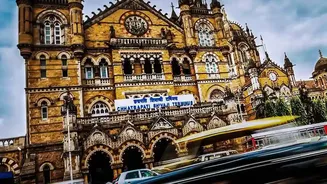
To truly understand railway communications, one must first appreciate its structure. The entire network is divided into 19 distinct zones, including the Metro Railway in Kolkata. Each zone, such as the Northern Railway (NR) headquartered in Delhi, the Southern Railway (SR) in Chennai, or the Western Railway (WR) in Mumbai, is headed by a General Manager and operates with significant autonomy. These zones manage the railway operations within their geographical boundaries. This includes everything from track maintenance and signal operations to, most importantly for passengers, issuing timely updates about train movements. This division of responsibility is designed for managerial efficiency across a vast network but can create information silos that impact travellers.
How Information Gets Fractured
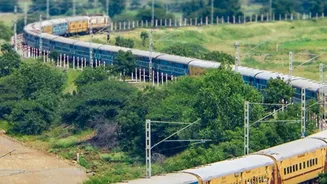
The zonal structure is the primary reason why conflicting information arises. Consider a long-distance train travelling from Delhi to Bengaluru. Its journey begins in the Northern Railway (NR) zone, passes through several other zones like the West Central Railway (WCR) and South Central Railway (SCR), and finally ends in the South Western Railway (SWR) zone. If heavy fog in the north causes a delay, the Northern Railway's official social media handle might post an update. However, once the train crosses into another zone, the responsibility for communication shifts. The subsequent zones might not have the same information or could be dealing with their own local issues affecting the train's schedule. This can lead to a situation where a passenger sees one update from the originating zone, but finds a different status when checking with a zone further down the line. Each zone primarily focuses on the portion of the journey within its jurisdiction, creating potential for gaps and contradictions.
A Traveller's Guide to Finding the Right Update
To avoid being misled, savvy travellers should adopt a zonal approach to information gathering. Instead of relying solely on the central Ministry of Railways account, it is crucial to identify the official communication channels for the specific zones your train will traverse. Most railway zones maintain their own websites and, more actively, their own social media accounts, particularly on platforms like X (formerly Twitter). These zonal accounts are where the most immediate and relevant operational updates are typically posted, including information on diversions, cancellations, or rescheduling due to local conditions. Before your journey, take a moment to look up your train's route and note the key zones it passes through. Following the official accounts of these zones can provide a much clearer and more accurate picture of your train's status from start to finish.
Your Pre-Travel Checklist
For a smoother journey, follow these simple steps: 1. Map Your Route and Zones: Before you travel, identify the major railway zones your train will pass through. You can often find this information on railway inquiry websites or by looking at a map of the Indian Railways network. 2. Follow the Right Accounts: Search for and follow the official social media pages (especially on X/Twitter) of the originating, terminating, and major intermediate zones. Official handles are usually listed on railway websites. 3. Cross-Reference Information: If you see conflicting reports about your train, check the source. An update from the Northern Railway regarding a train in its territory is likely more accurate than a generic update from a different source. 4. Use Official Apps: Utilise the official National Train Enquiry System (NTES) or other authorised apps, as they often collate data from various zones, but always be mindful of which zone's data is being displayed. 5. Check with Station Staff: When in doubt, especially at the station, always confirm information with authorised railway personnel at enquiry counters. On-the-ground staff will have the most current information for their specific station and division.