





As Dhanteras approaches, the tradition of buying gold brings joy and prosperity. But the jargon can be confusing. To ensure your investment is sound, it's crucial to understand the language of gold purity before you step into a jewellery store.
The Gold Standard: 24 Karat (24K)
When we
talk about the purest gold available, we are referring to 24 Karat (24K) gold. It is considered 99.9% pure, with virtually no other metals mixed in. This purity gives it a distinct, bright yellow colour. However, this purity also makes it very soft and malleable, meaning it can bend and scratch easily. Because of its delicate nature, 24K gold is not practical for making everyday jewellery. Instead, it is the preferred choice for investment purposes, typically in the form of gold bars, coins, and bullion. If your primary goal is to invest in gold as a commodity, 24K is the benchmark for value and purity.
The Jeweller's Choice: 22 Karat (22K)
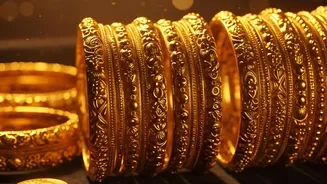
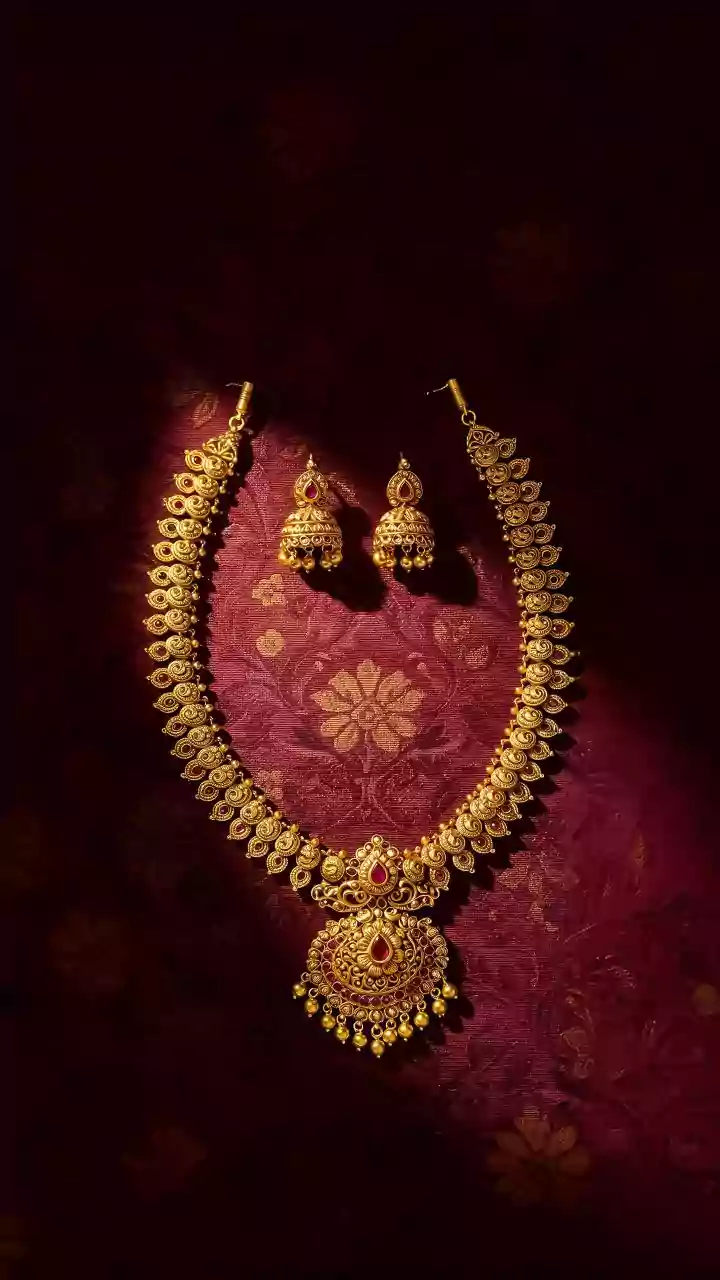
Most of the traditional gold jewellery you see in India is made from 22 Karat (22K) gold. This type of gold is also known as '916 gold' because it consists of 91.6% pure gold. The remaining 8.4% is an alloy of other metals like silver, copper, or zinc. This mixture is essential because it adds strength and durability to the gold, making it suitable for crafting into intricate designs that can withstand regular wear. While still having a rich yellow colour, 22K gold offers the perfect balance between high purity and practical hardness, making it the ideal choice for bangles, necklaces, and other ceremonial pieces. However, due to its relative softness compared to lower karats, it's less ideal for heavy studded jewellery where a stronger grip on gemstones is needed.
A Term of the Past: KDM Gold
You might still hear the term 'KDM gold', especially from older jewellers or when dealing with old family ornaments. The term refers to a method of soldering jewellery where Cadmium (once known as 'Kadium') was used as an alloy because it had a lower melting point, making it easier to join gold pieces. This alloy typically maintained a 92% gold purity, similar to 22K. However, the Bureau of Indian Standards (BIS) banned the use of cadmium in jewellery making due to significant health risks. Cadmium fumes released during soldering were found to be toxic and carcinogenic, posing a danger to the artisans. Today, modern jewellery is made with safer alloys like zinc and copper, and any piece made with cadmium cannot receive a BIS hallmark. Therefore, KDM is an outdated and unsafe standard.
22K vs. 24K: Which Should You Buy?
The choice between 22K and 24K gold depends entirely on your purpose. If you are buying gold as a pure investment to store wealth, 24K coins or bars offer the highest purity and are easiest to value. Their price is directly linked to the market rate of pure gold. If you are buying for Dhanteras with the intention of wearing the gold, 22K is the far better choice. Its durability means your jewellery will last, while its high gold content ensures it retains significant value. Remember that when you buy jewellery, you also pay for making charges, which are not recovered upon resale, so it should be purchased for its beauty and utility, not just as a direct investment.
Beyond Karats: The Hallmarking Guarantee
Regardless of the karat, the most important thing to look for when buying gold jewellery in India today is the BIS Hallmark. Since April 2023, it is mandatory for all new gold jewellery to have a 6ndigit alphanumeric Hallmark Unique Identification (HUID) number. This mark, along with the BIS logo and the purity grade (e.g., 22K916), certifies that the gold's purity has been verified in a licensed lab. You can, and should, use the official 'BIS Care' app to verify the HUID number of your purchase on the spot. This system provides transparency and protects you from buying gold of lower purity than what is claimed, ensuring your festive purchase is both auspicious and authentic.